Enterprise · Manufacturing
“The ability to hold a physical design in one's hands compared to a digital model is invaluable.”

Seco Tools case study in numbers
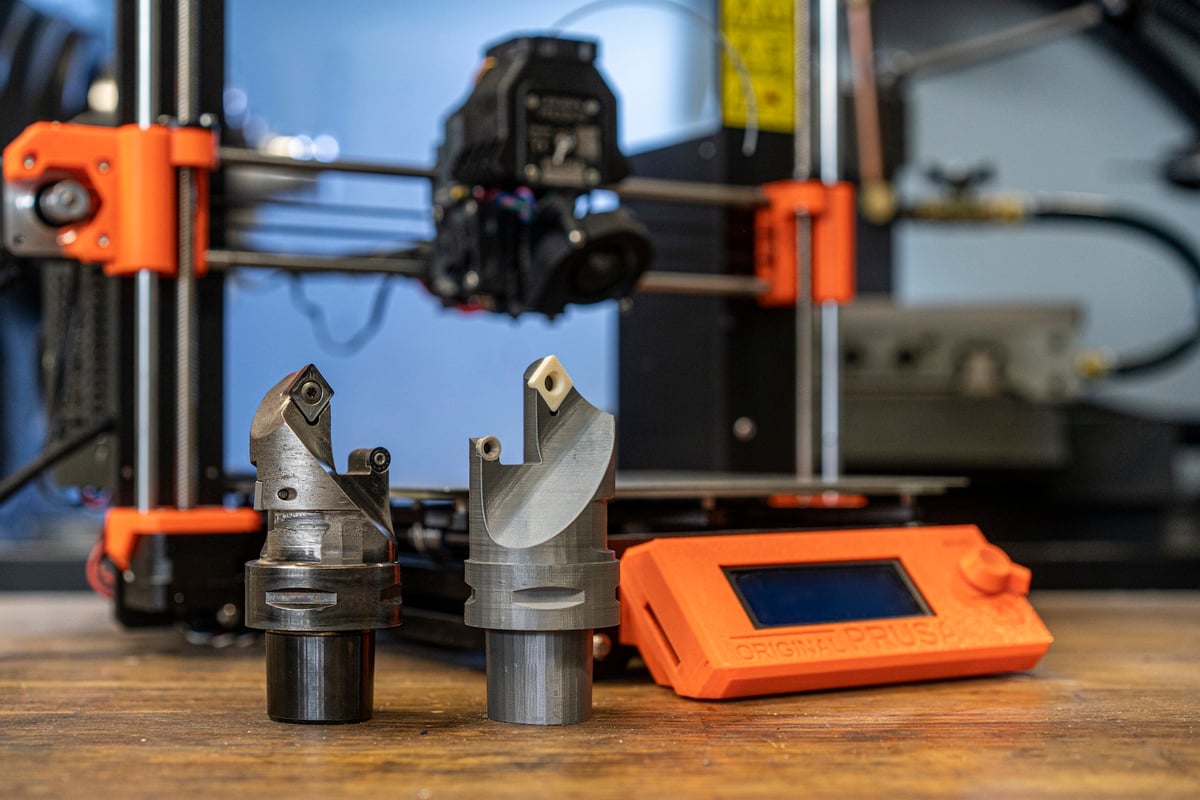
Seco Tools is a Swedish manufacturer of industrial cutting tools, part of the Sandvik Group since 2012, with 4,100 employees worldwide. Its Czech branch in Slatina prints 1:1 models of new tools and puts them on the customer’s table within days.
- 4,100employees worldwide
- €10,650saved at Škoda in a year
- 8 weeksfrom project start to operation
A single combined tool brought machining time down from 51 seconds to 40.2 seconds, a reduction of over 20%.
The 3D-printed prototype proved that 3 different ISO tools could be safely consolidated into a single multi-purpose cutter.
Seco delivered 1:1 physical models of the new tooling solution in just 4 days, bypassing standard prototyping lead times.
One part, three tools, almost a minute
- ProblemIn 2021, Škoda Auto asked the Czech branch of Seco Tools to optimize the production process at its gearbox manufacturing line. Škoda had already identified the bottleneck: one specific part required three different ISO tools and took almost 51 seconds, which is a lot by mass-production standards. The plant wanted machining time down and production capacity up.
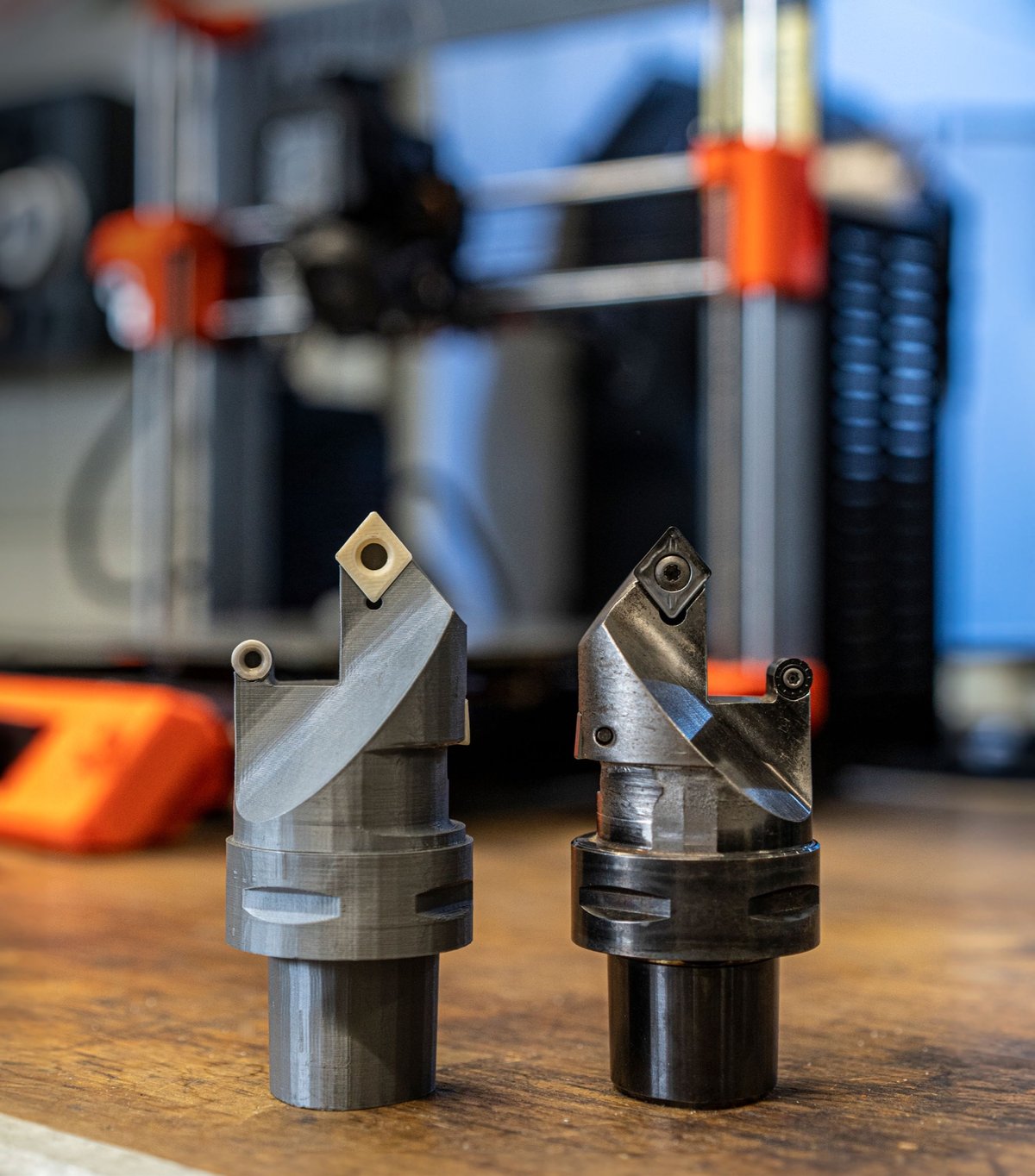
- SolutionMilan Kudrnáč did not propose a faster version of any of the three. He proposed a single combined cutting tool capable of performing all the necessary operations: one head with insert seats for every cut the part needs.
- ValueMachining time came down to 40.2 seconds, a saving of 10.7 seconds, more than 20% of the original cycle time. Both figures are Škoda Auto’s, measured on Škoda’s line. Seco’s contribution is the tool that made them possible.

The flaw the screen never shows
- ProblemThe standard prototyping process takes weeks. A designer discovers a design’s shortcomings only after the prototype has been made, at a cost of hundreds or even thousands of euros. Digital CAD previews often hide physical ergonomics, clearance issues, or insert seat accessibility. The wrong tool is not the expensive part. Finding out late is.
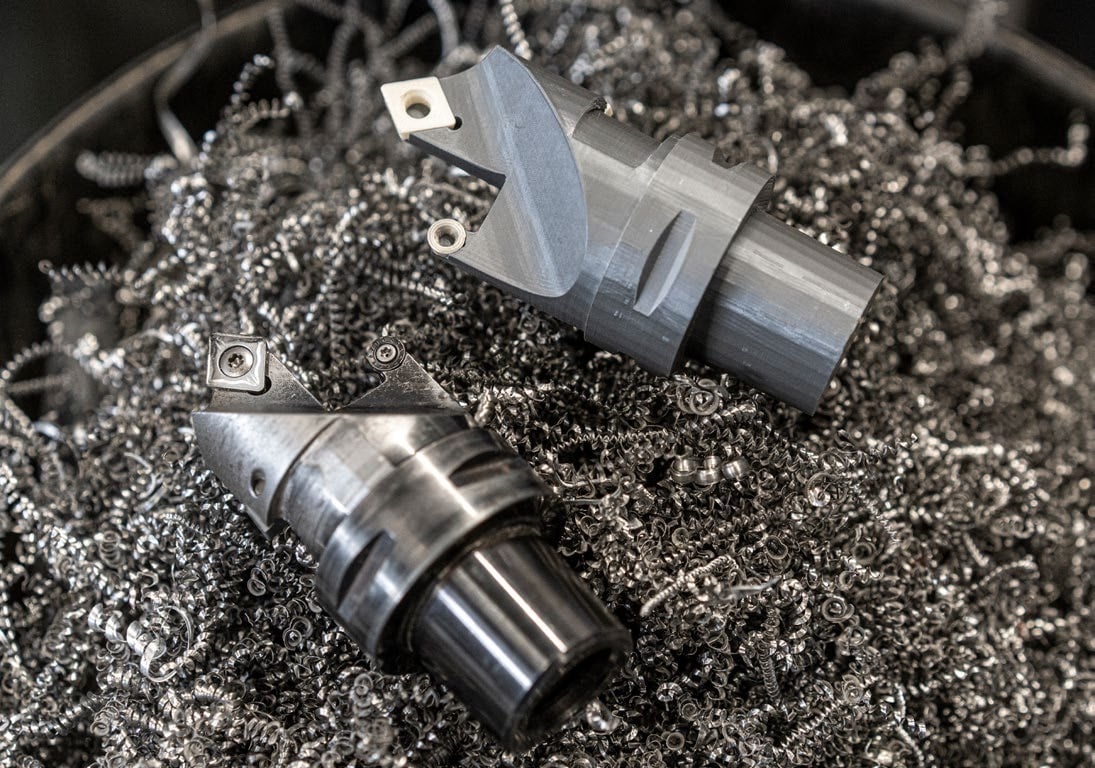
- SolutionPrusa 3D printer played a key role, enabling Seco to produce 1:1 physical models of the new tools in low-cost Prusament PLA. The models were prepared and presented to Škoda within four days of the assignment, allowing engineers to test insert fitment and spot design flaws early.Printed onPrusament PLA
- ValueThe first printed prototype revealed shortcomings that were not apparent in the digital preview. The approval process and the conversation between Seco Tools and Škoda Auto accelerated. Presenting a 1:1 model a few days after the assignment is always better than presenting a drawing and a vision.
“Thanks to 3D printing, I rediscovered my passion for innovation and industrial tool design. Rapid prototyping makes the process easy and fun.”
Milan Kudrnáč, Application Engineer at Seco Tools

What one line’s saving is worth to a group
- ProblemA cycle time improvement is worth exactly what the line it sits on spends, and one gearbox line in one plant is a small denominator for a group. Getting further means the change has to survive scrutiny from people who didn't ask for it.
- SolutionPreparation and testing of the new tool took another two weeks, and about eight weeks passed from the start of the project to its introduction into regular operation. Assignment, printed models, approval, testing, and the line were completed within two months.
- ValueThe solution brought Škoda Auto a reduction in direct annual tooling costs of €10,650, the customer’s money, at the customer’s plant. Consolidating three ISO tools into one custom cutter lowered tooling inventory costs, freed up CNC spindle capacity, and reduced cooling air consumption. It won an internal innovation competition, which led to adoption in other VW Group plants.
“It is very important to show that Czech industry can keep up with the world in the field of new technologies and that it has capable people who can successfully develop these activities further.”
Ivan Slimák, executive director of the Škoda Auto plant in Vrchlabí
Still not sure where 3D printing fits your production?
See what other enterprise companies print, a pit lane, a rail workshop, a glassworks, a forensics lab.





Customer story AIX Racing
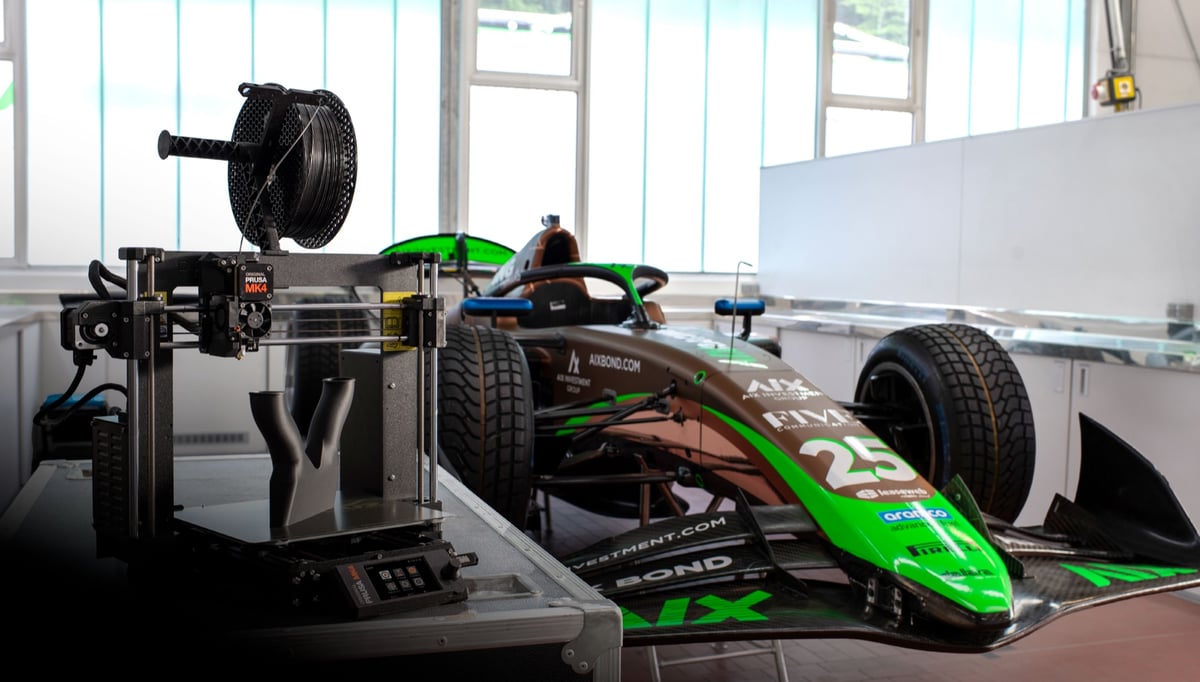
AIX Racing takes the printer to the race
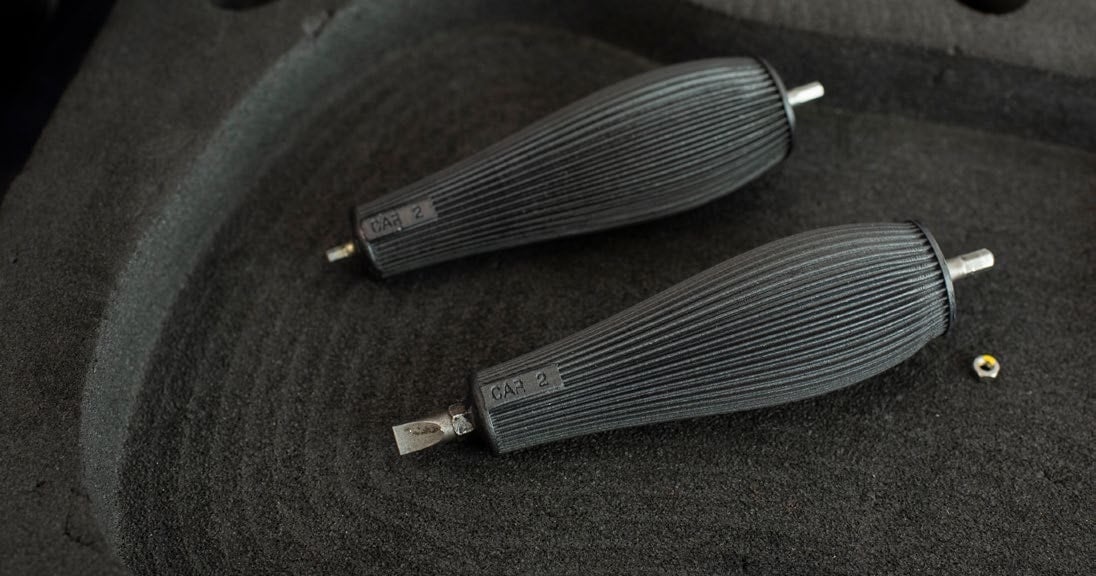
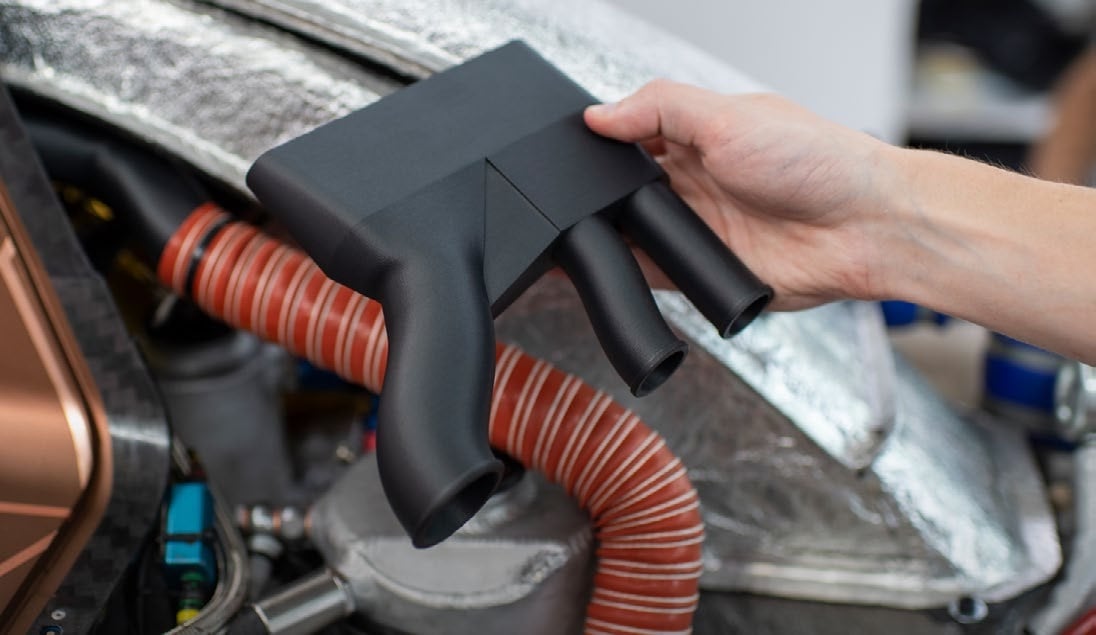
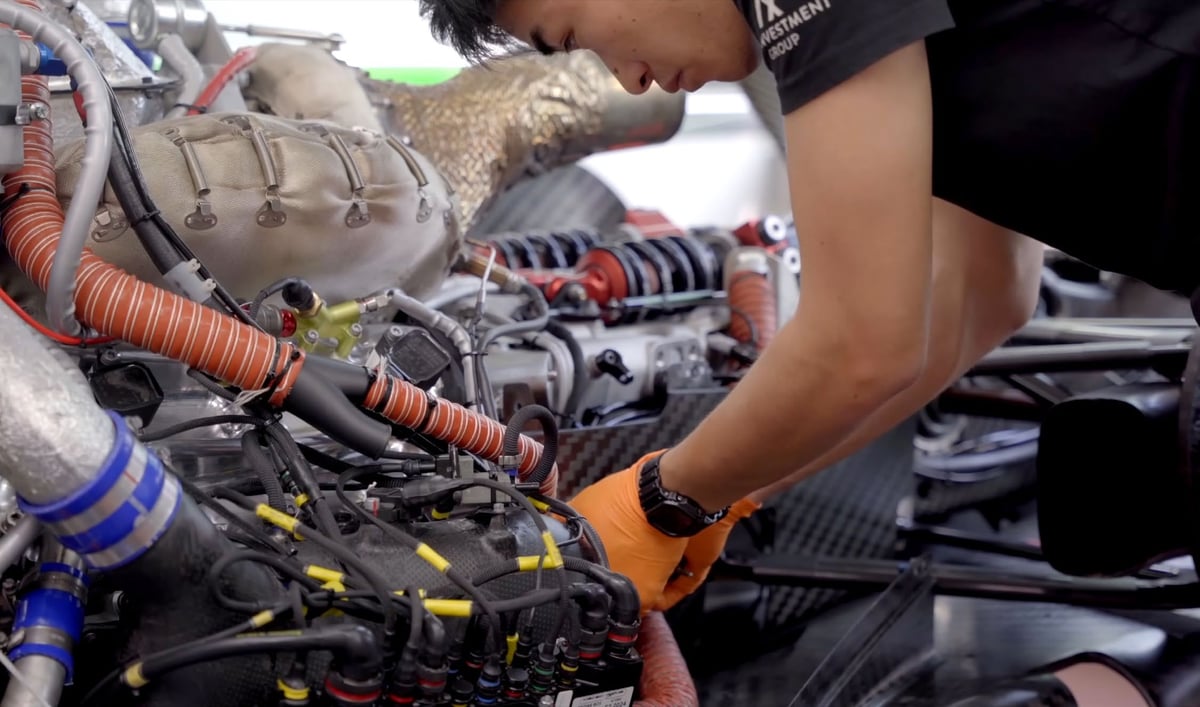
The Formula 2 and Formula 3 team runs 32 people out of Berlin and Dubai, on a calendar of 14 races where every car and engine is identical. Tools, airflow tubes and cabin parts are printed in the garage, and one machine travels to the circuit, so a repair happens on site and overnight at the latest.
- 32employees
- 14F2 races a year
- 6days of pre season testing
“It’s just a matter of time before all Formula teams have a 3D printer.”





Customer story Knorr Bremse
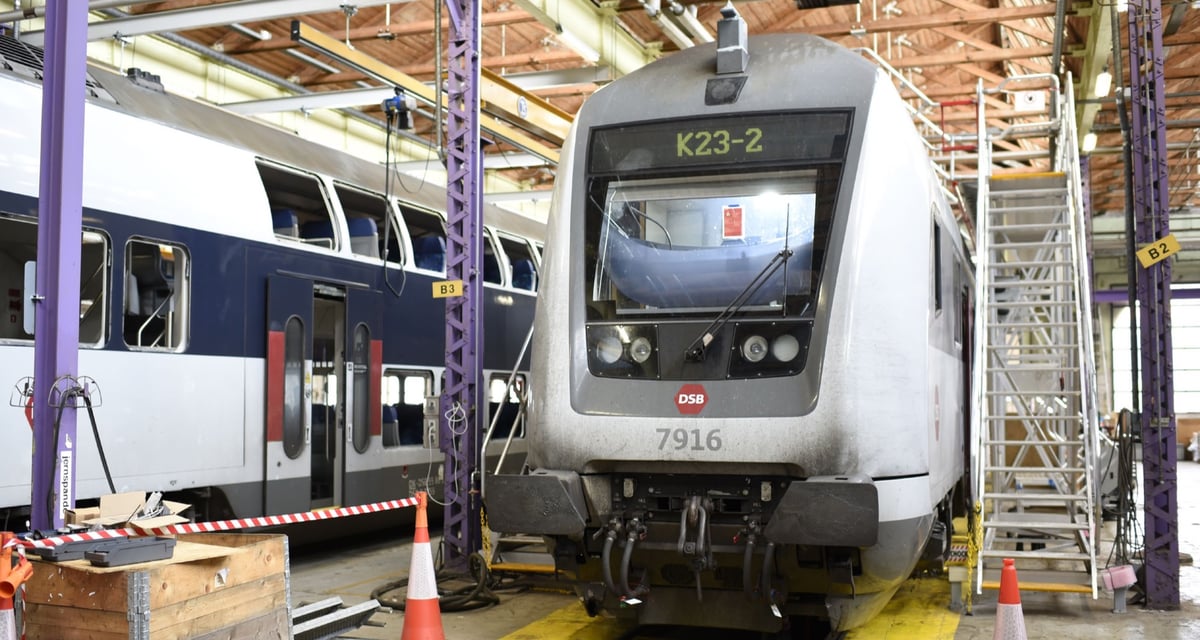
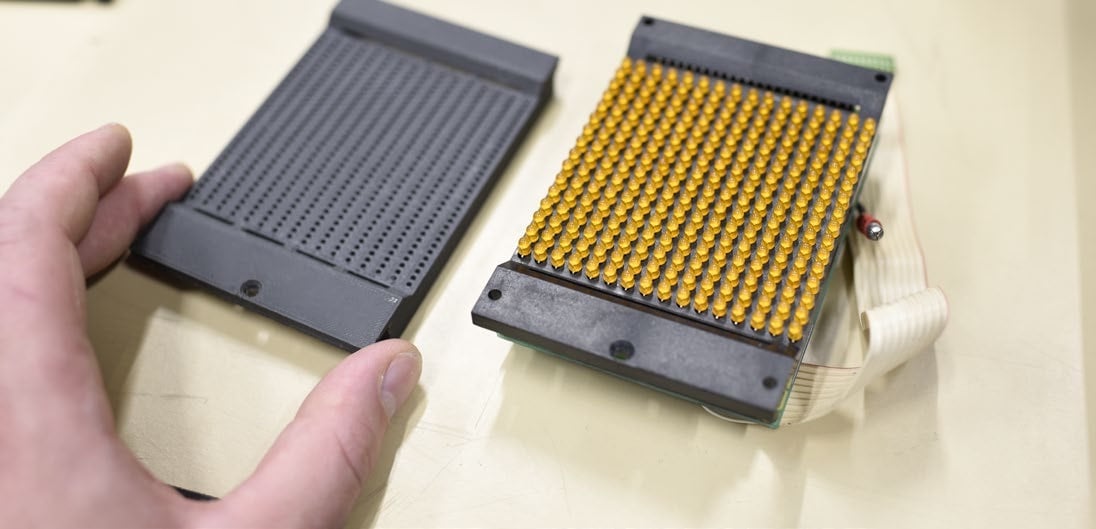
Knorr Bremse prints the train parts nobody makes any more
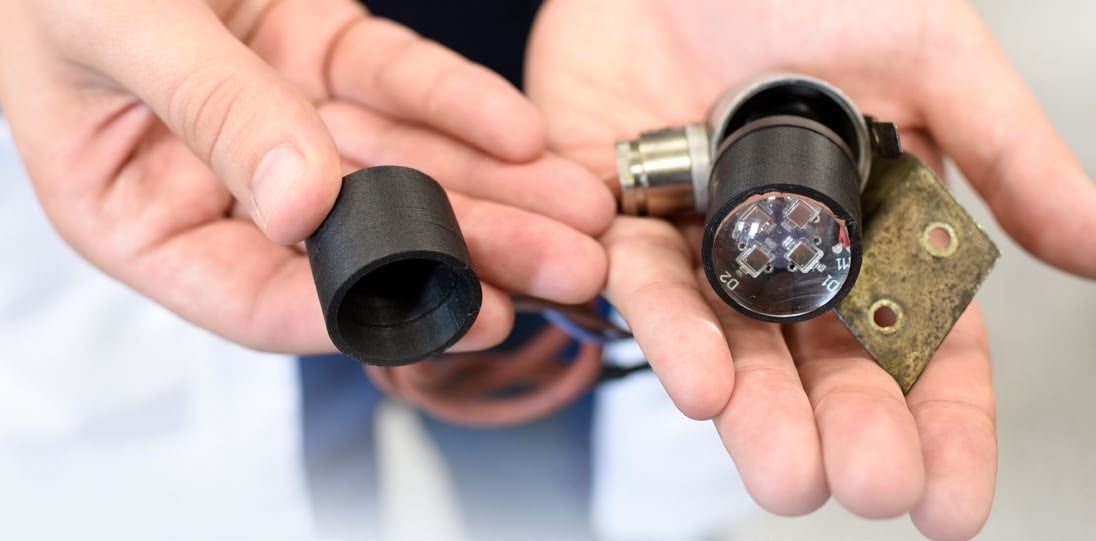
The Danish arm of the Munich braking systems group is the main service provider for DSB, the Danish state railway, and its job is obsolescence, components that are no longer available anywhere. Printing the casing of an oil burner sensor, the part that wears out and used to take the whole sensor with it, cuts that sensor’s overall cost by half.
- 33,000+employees worldwide
- 1905Knorr Bremse founded
- 50%lower cost, oil burner sensor
“I see more and more people in the railway industry looking into 3D printing. And for good reason!”








Customer story Lasvit
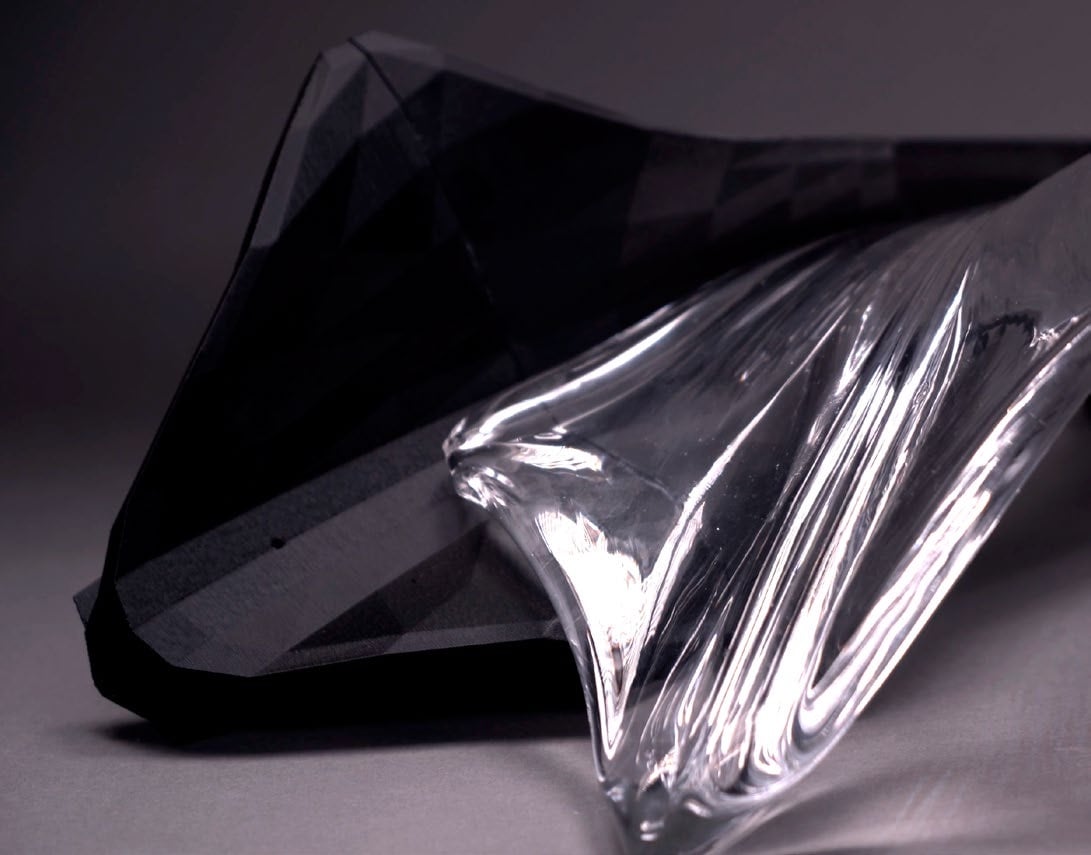
Lasvit proves the glass before it reaches the furnace
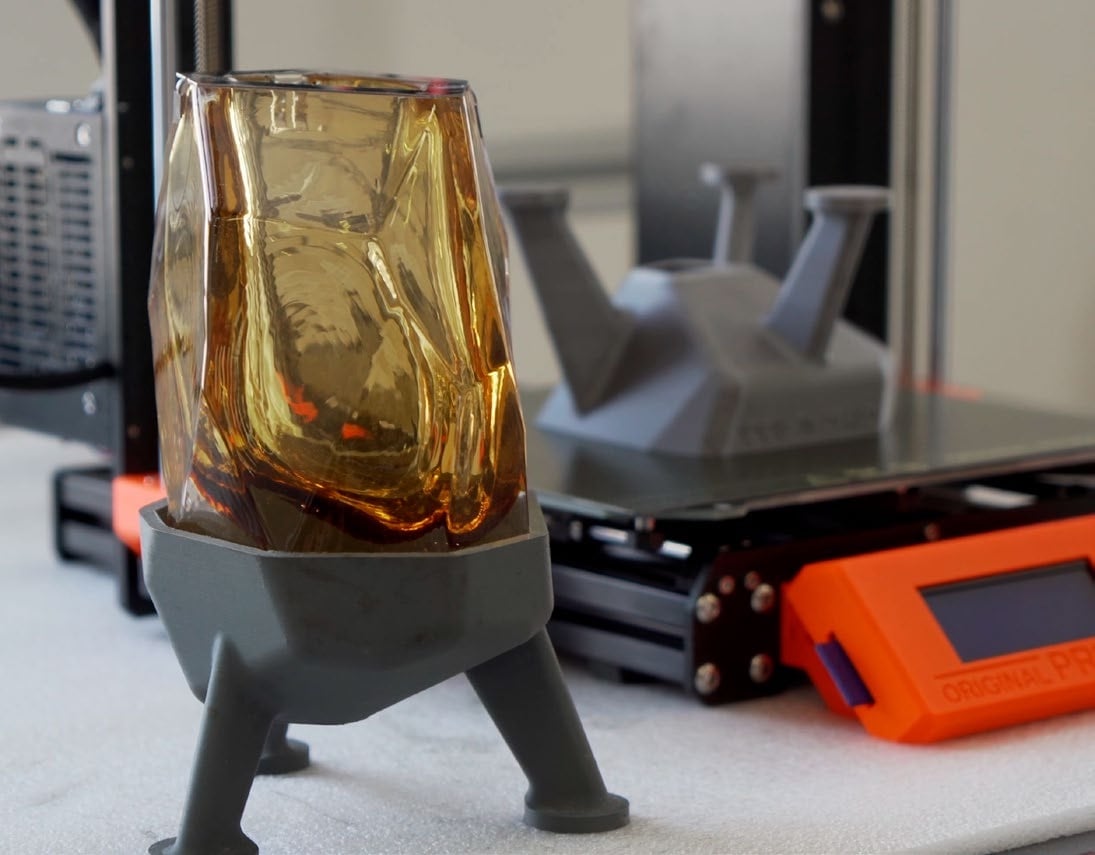
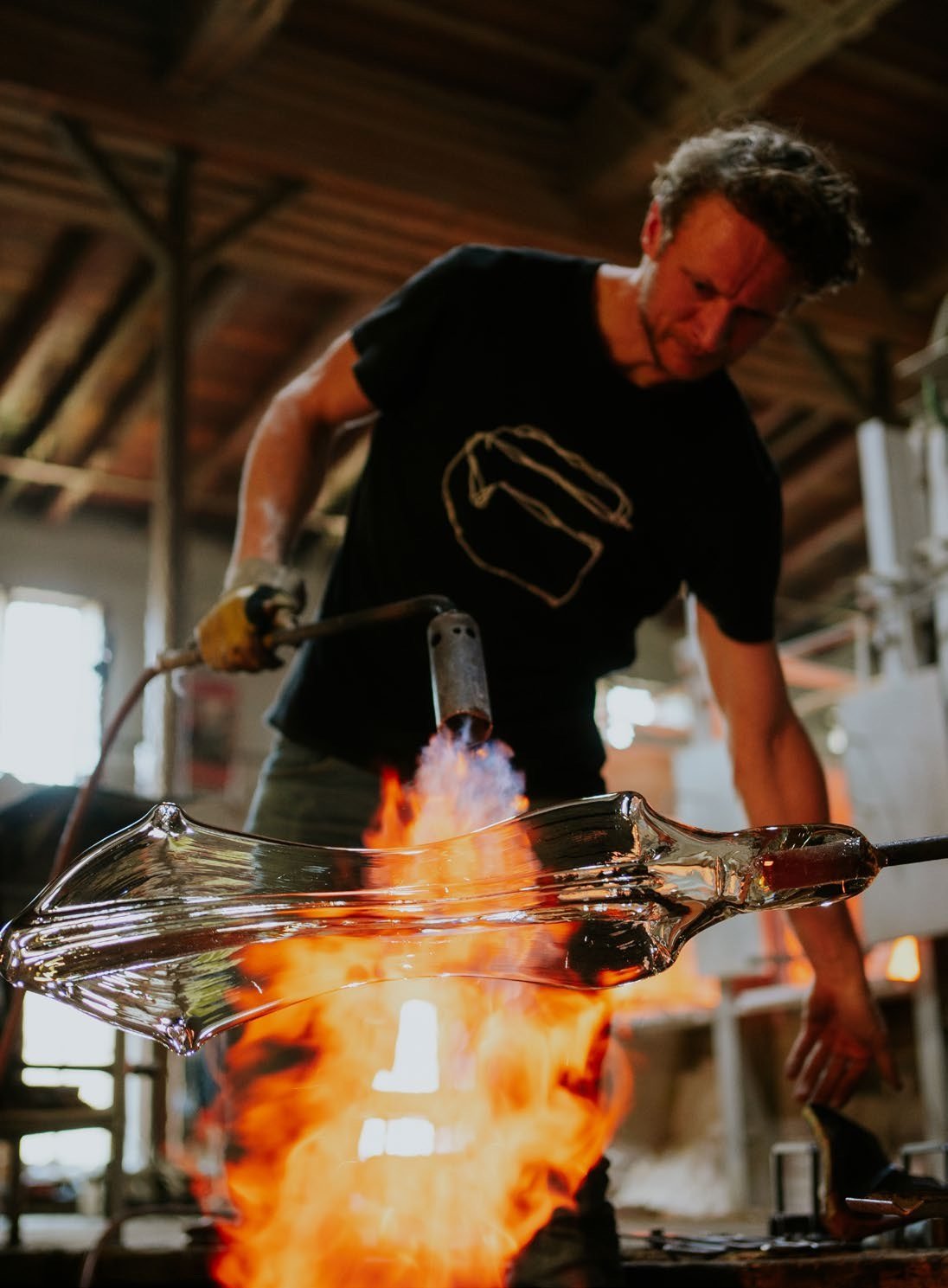
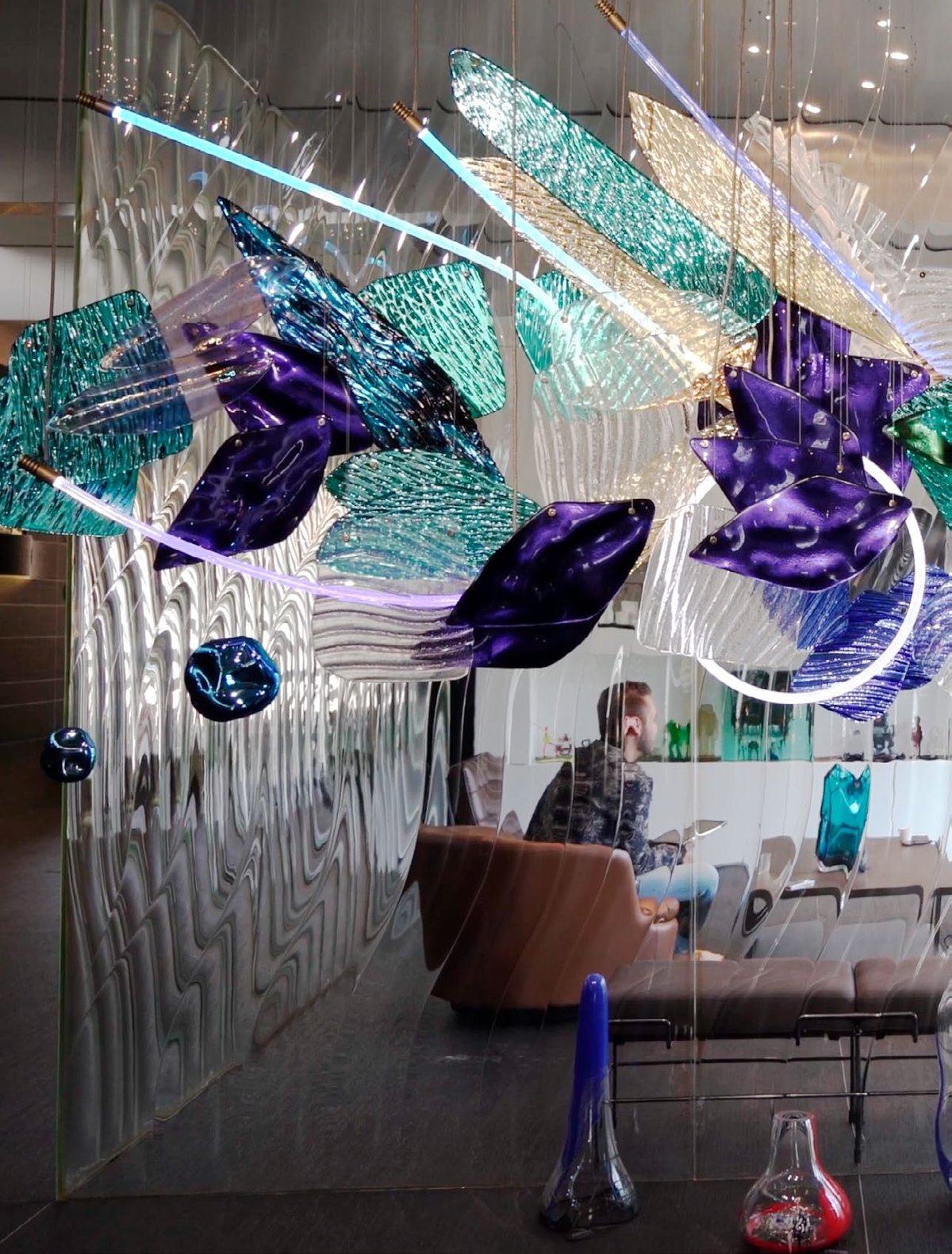
The Czech glassworks makes hand blown installations for over 2,500 hotels, public spaces and residences. Designs used to reach master glassblowers at a 1,500 C furnace unverified, now they arrive as 100 % accurate printed models.
- 300+people
- 2,500+hotels, public spaces and residences
- 1,500 Cthe furnace the design has to survive
“Everything that goes into final production is fine tuned into perfection thanks to Original Prusa and Prusa Pro 3D printers.”




Customer story Compelson
Compelson prints the adapters no mold could pay for
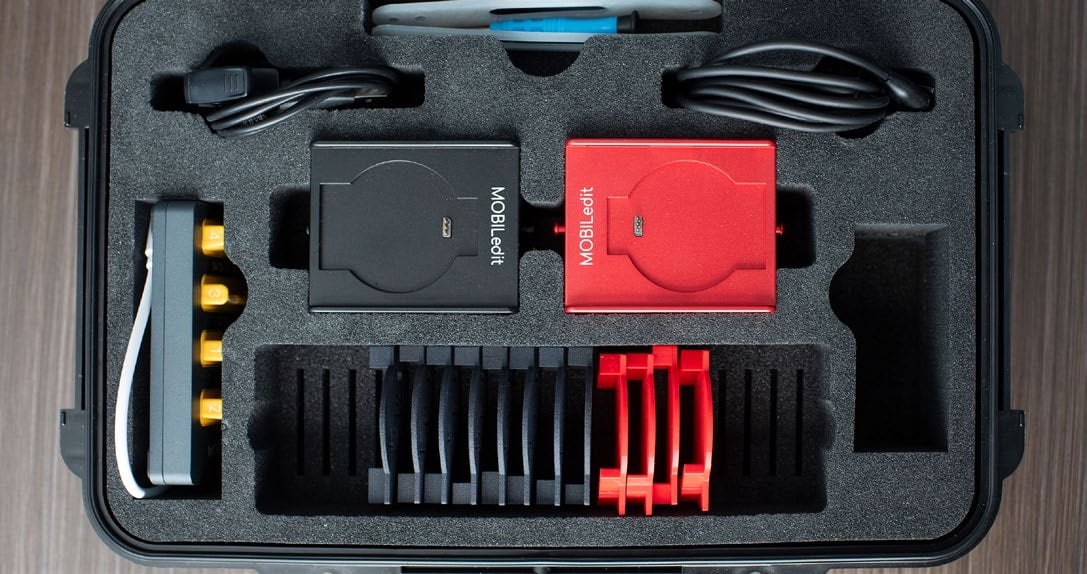
The Prague forensics company builds readers for smartwatches, which have no data port and change every year. Injection molding could never earn back a mold that expires in twelve months, so the kit is printed instead.
- 160+countries use MOBILedit
- 59people in Prague
“If we used injection molding, the initial costs would be astronomical.”


Your team’s questions, answered
What engineering, quality and procurement usually ask before the first print.
Tooling Design
Prototyping accuracy
Manufacturing Engineer
Tooling & production
Procurement Lead
Purchasing