


















ブラックフライデーセールをチェック! 送料無料、素晴らしいギフト、割引など!あとで終了

3D PrintingBring Your Digital Ideas Into the Physical World

By building physical objects layer by layer directly from a digital design, 3D printing bypasses traditional manufacturing constraints. Today, two primary technologies dominate this landscape: FDM, which melts plastic filament to build durable parts, and SLA, which cures liquid resin with light to achieve high-resolution details.

Begin here

3D Printing 101

New to all of this? All you have to decide is where to begin - start with this five-minute read.

Read more

3D Printers

The full Prusa lineup, from a first machine at home to a large enclosed printer. Find the one that fits and open its page.

Read more

Buying your first 3D printer

What actually matters when you choose: size, material, kit vs assembled, with a table of which Prusa fits which start.

Read more

人々が3Dプリントを何に利用しているか

Because desktop 3D printing handles everything from simple household fixes to professional manufacturing tasks, these tools adapt to your specific workflow. Whether you want to prototype a new commercial product or quickly create a custom assembly fixture, having a printer on hand provides complete creative freedom.
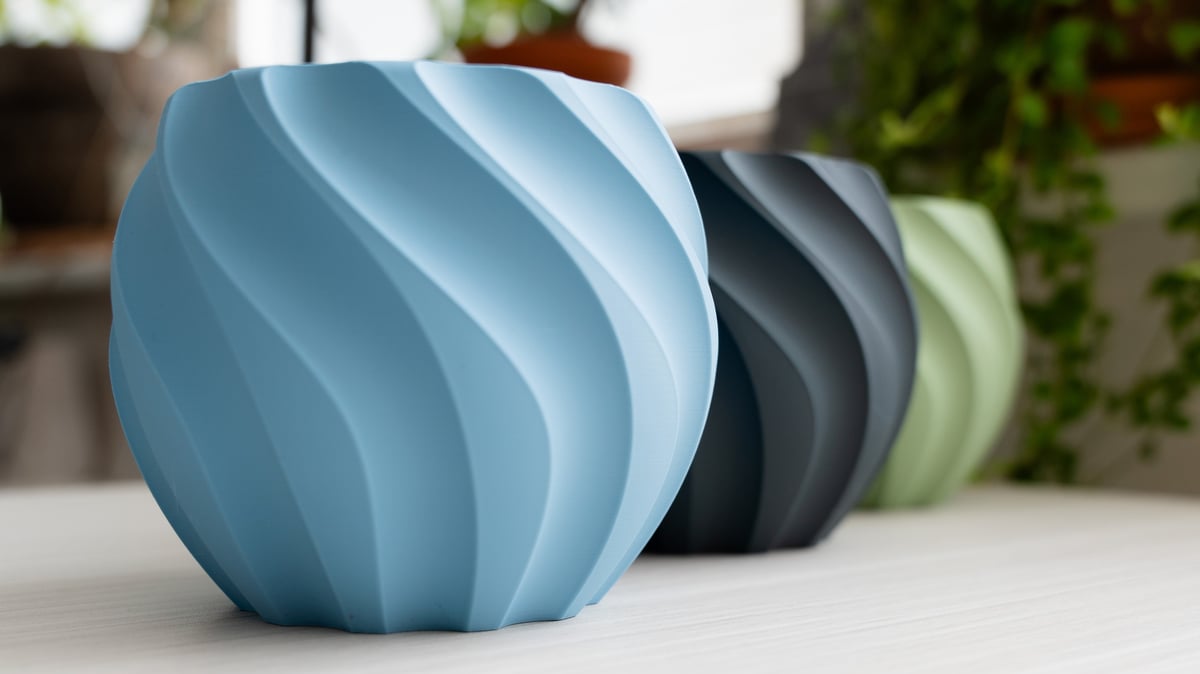
Printed repair parts on a workbench

Home & Hobby

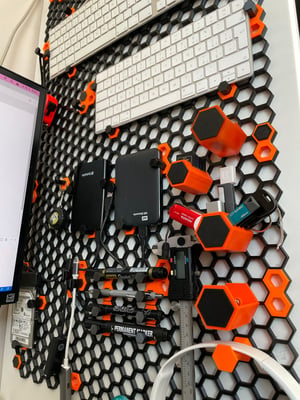
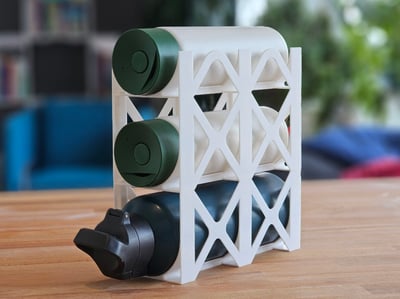
Replicate broken household components or create custom organizers instead of waiting for replacement parts to arrive.
Printed toys and cosplay props

Small Business

Accelerate product development and manufacture custom components locally without high upfront tooling investments.
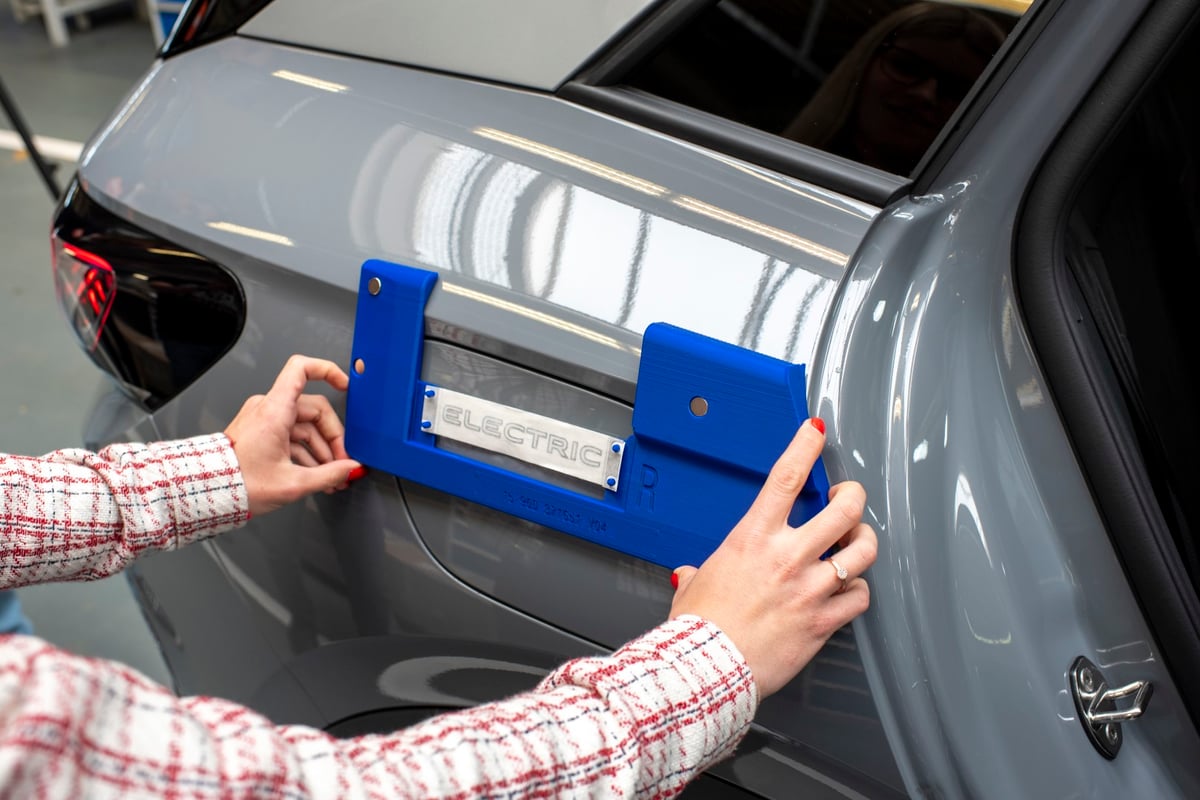
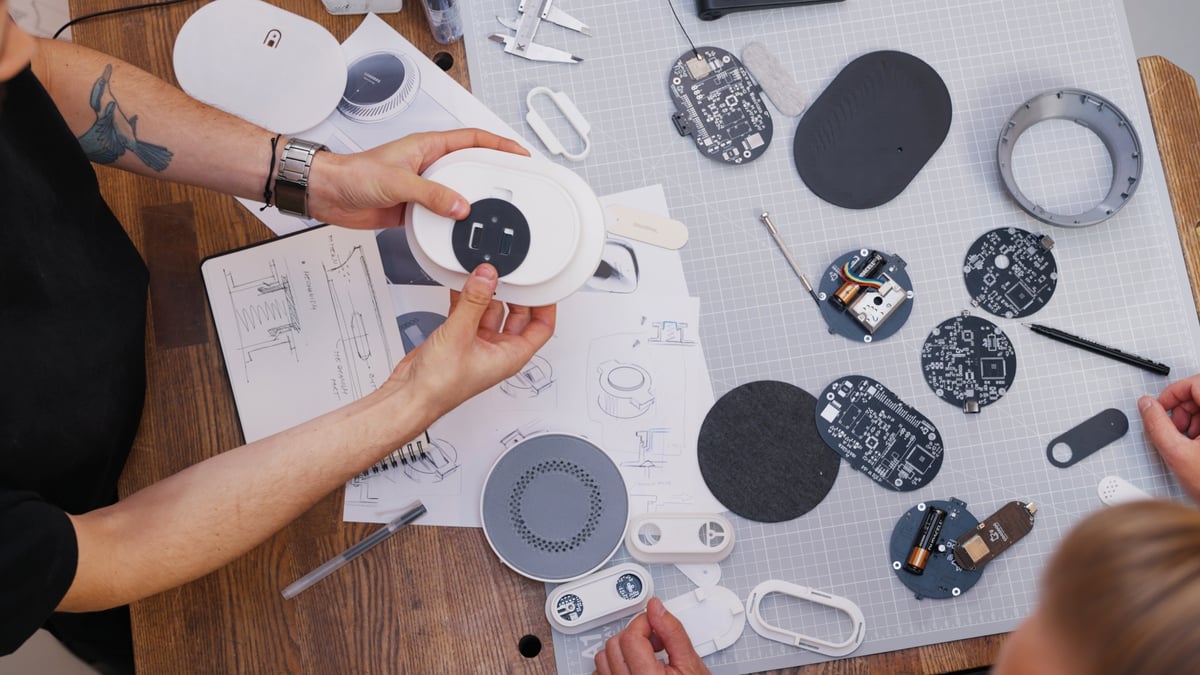
Printed tools and prototypes

Enterprise & Industry

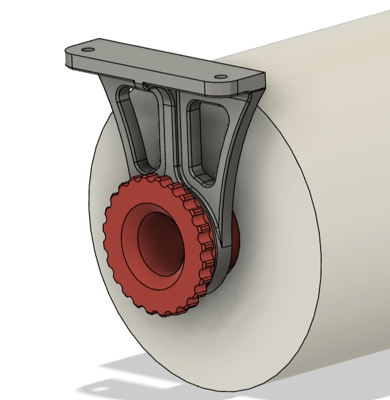
Minimize manufacturing downtime by printing replacement parts, custom assembly fixtures, and functional prototypes on demand.
Education

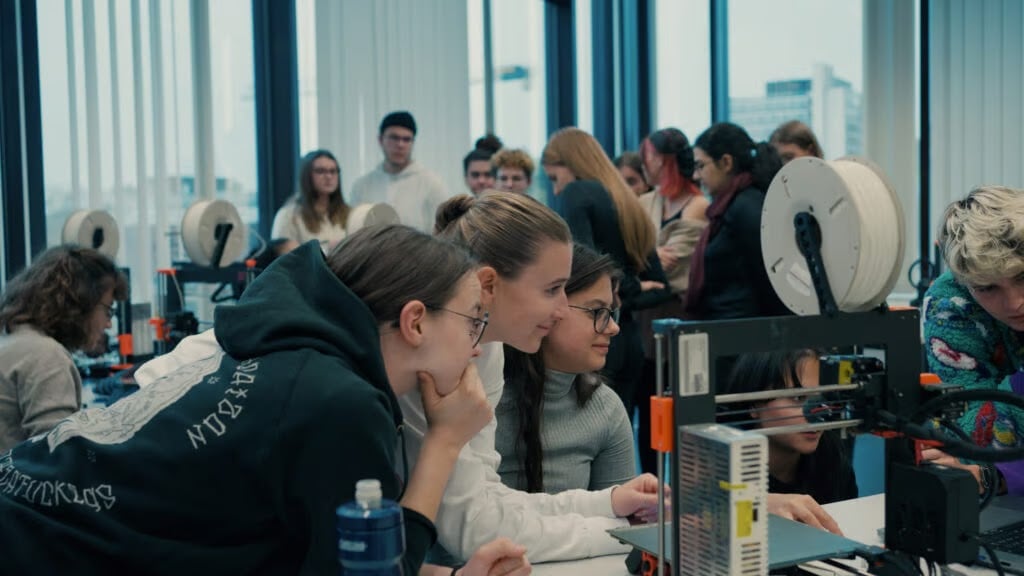
Education

Provide students with immediate physical feedback as they translate abstract design concepts into tangible projects.

“When I started with 3D printing all those years ago, most people thought it was just a fun way to make toys. But I always saw exactly what is happening today: 3D printers running serious local production, complementing industrial lines, and accelerating innovation.”
Josef PrůšaCEO, Prusa Research

From idea to something you can hold

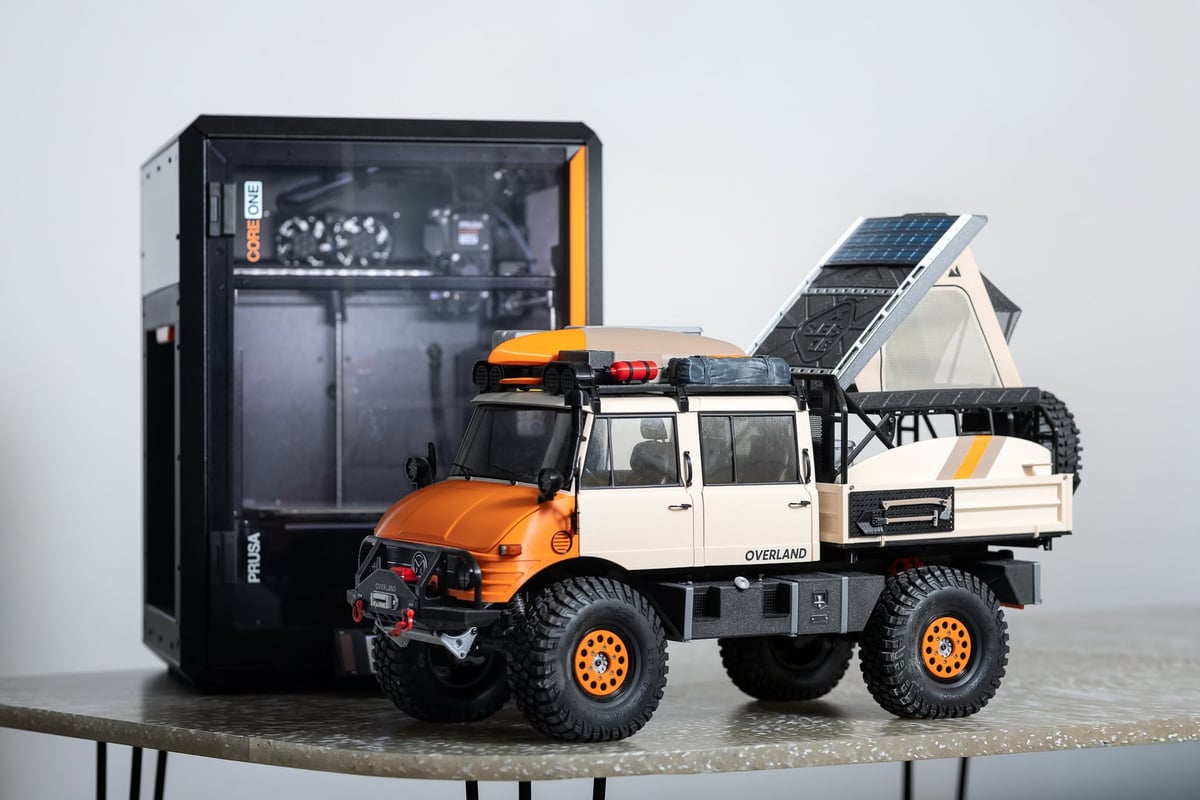
  • Offroad Car Replica
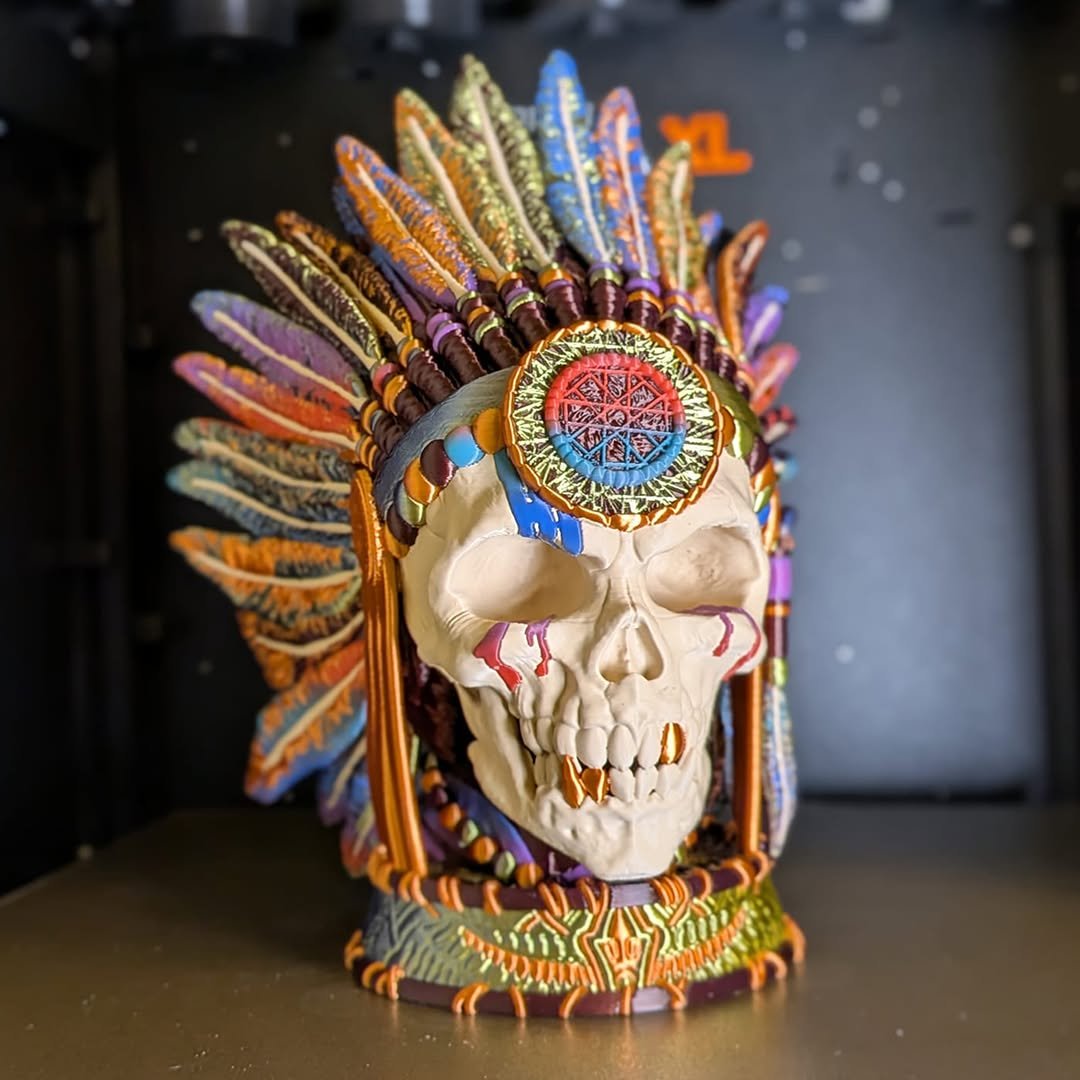
  • Multi-Color Model Printed on the INDX system
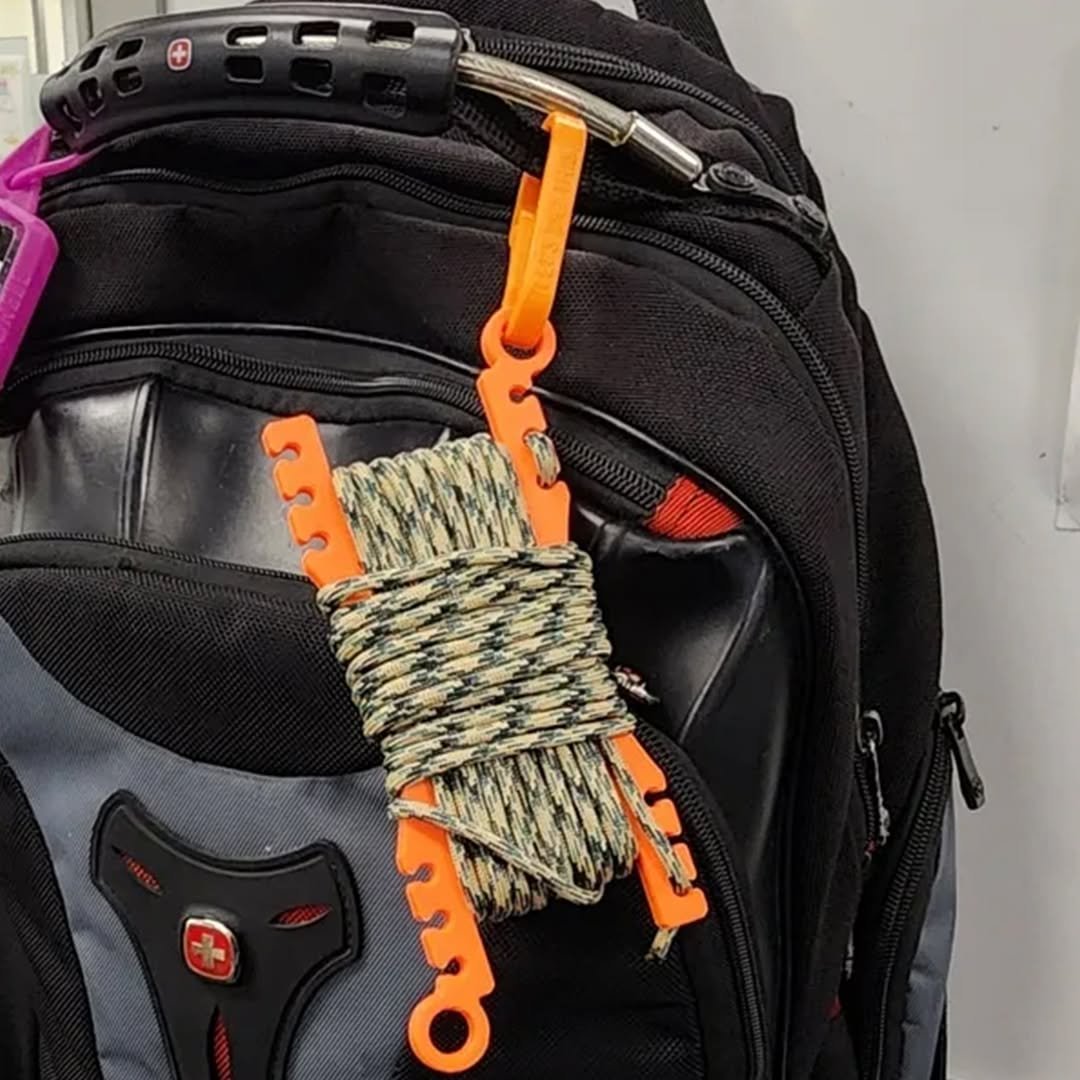
  • Tough, durable accessories
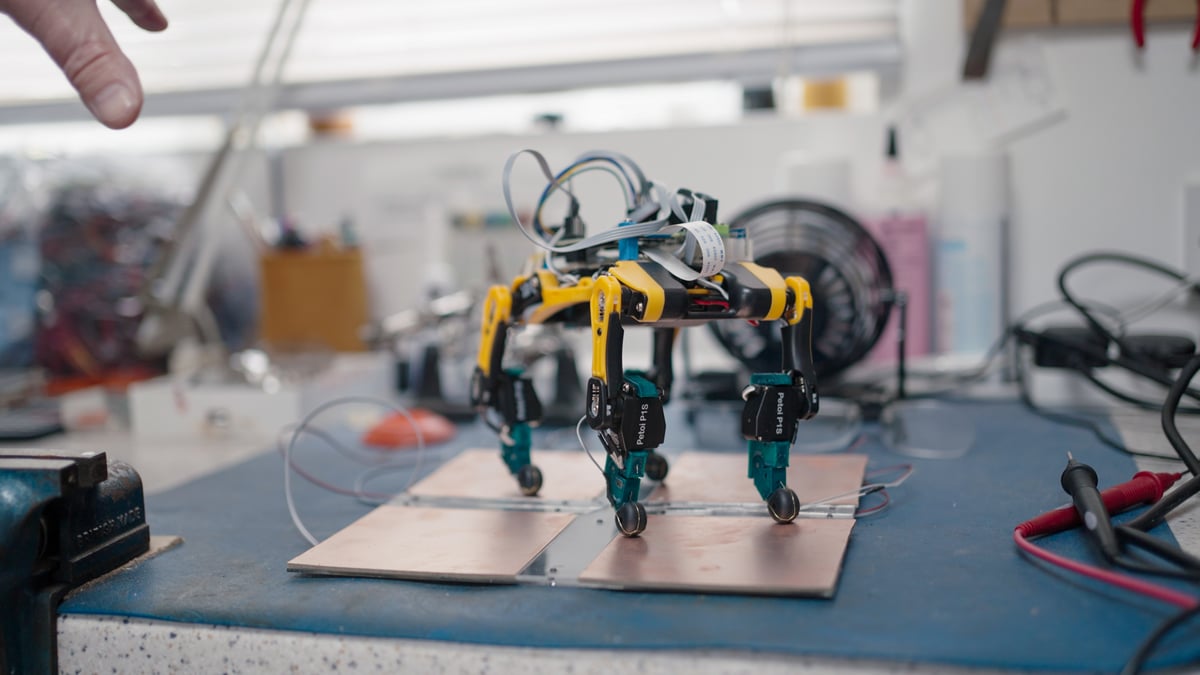
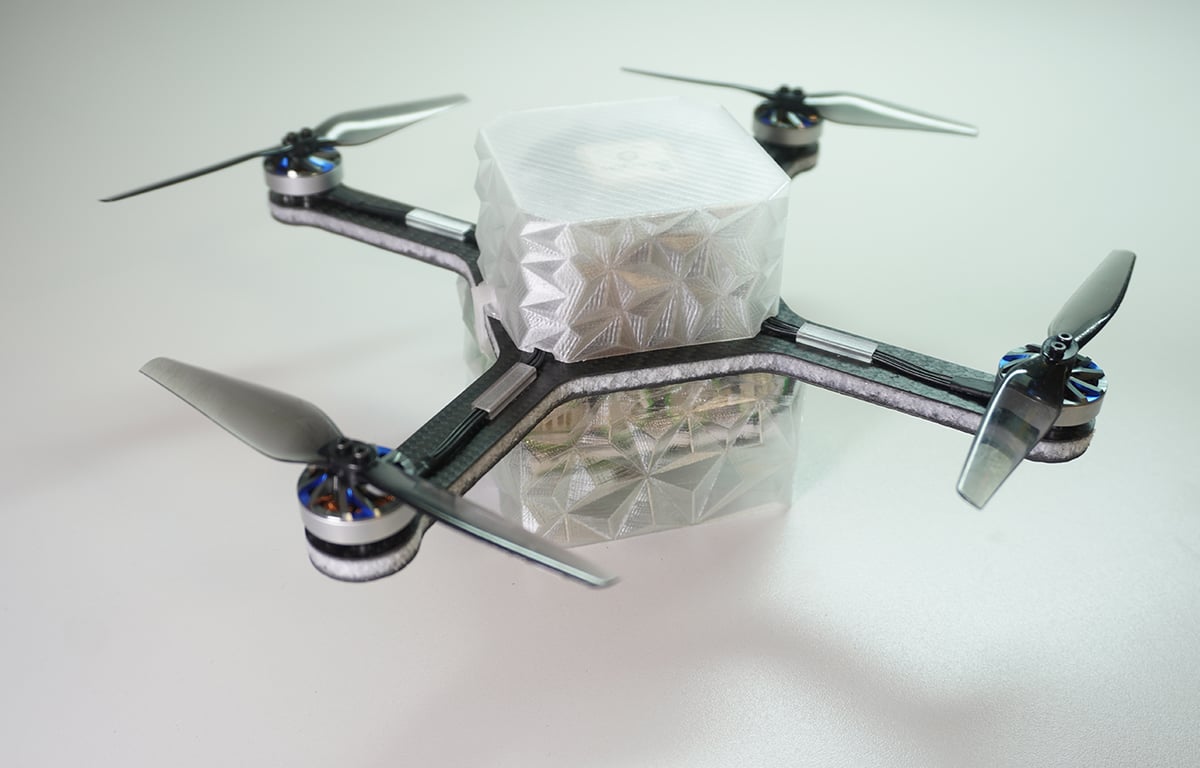
  • 3D Printed Drone
  • Home Improvement Models
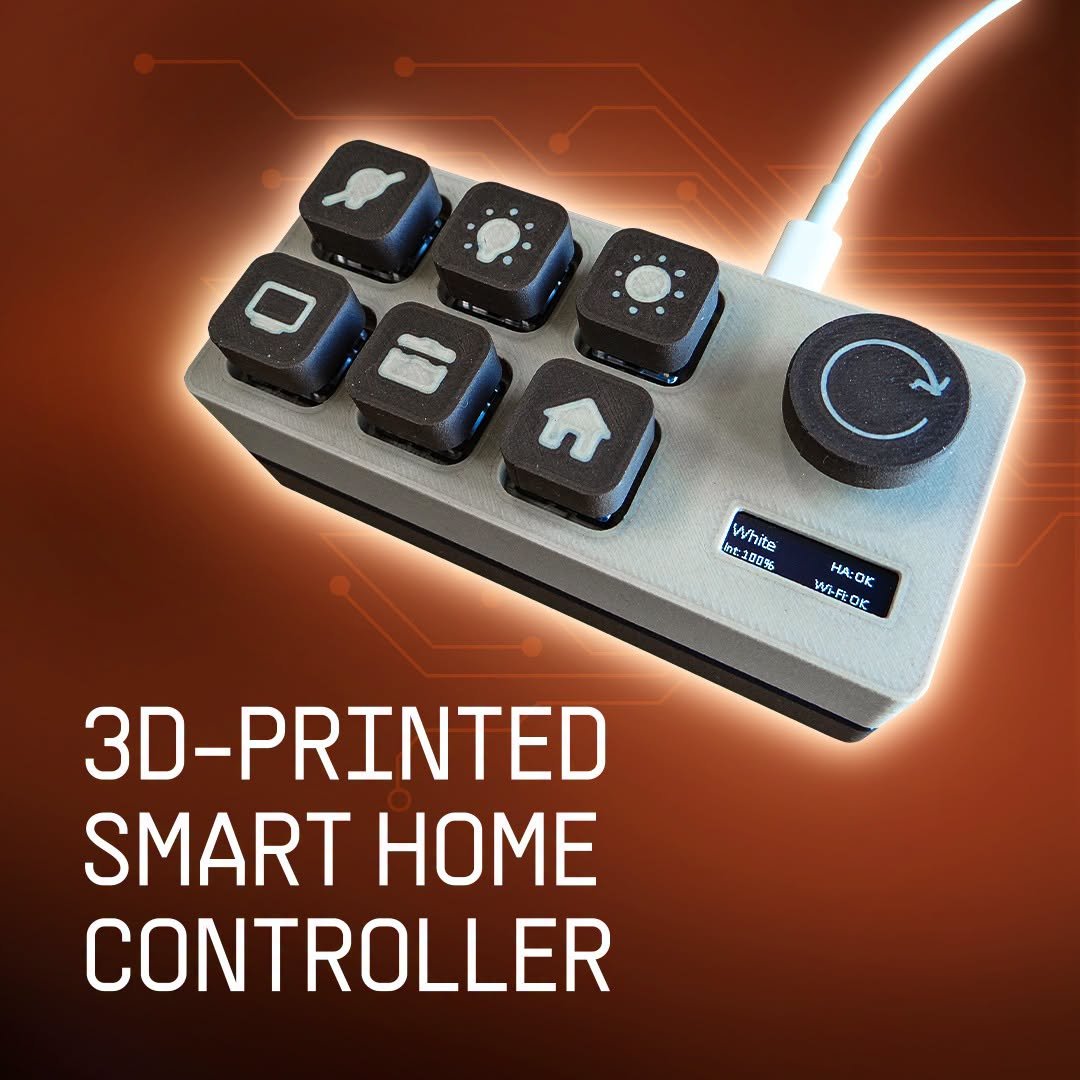
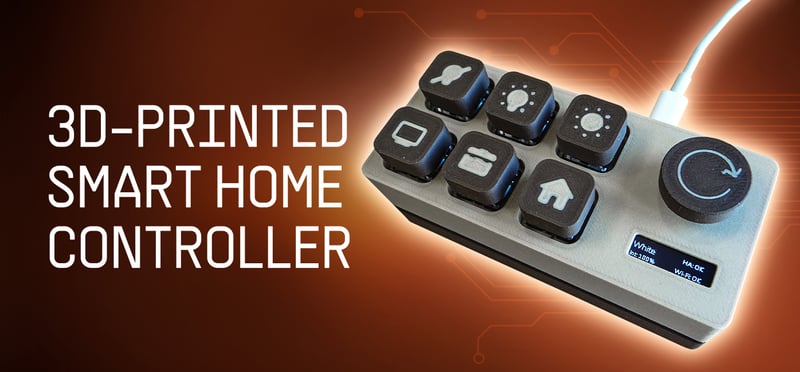
  • DIY Smart Home Controller
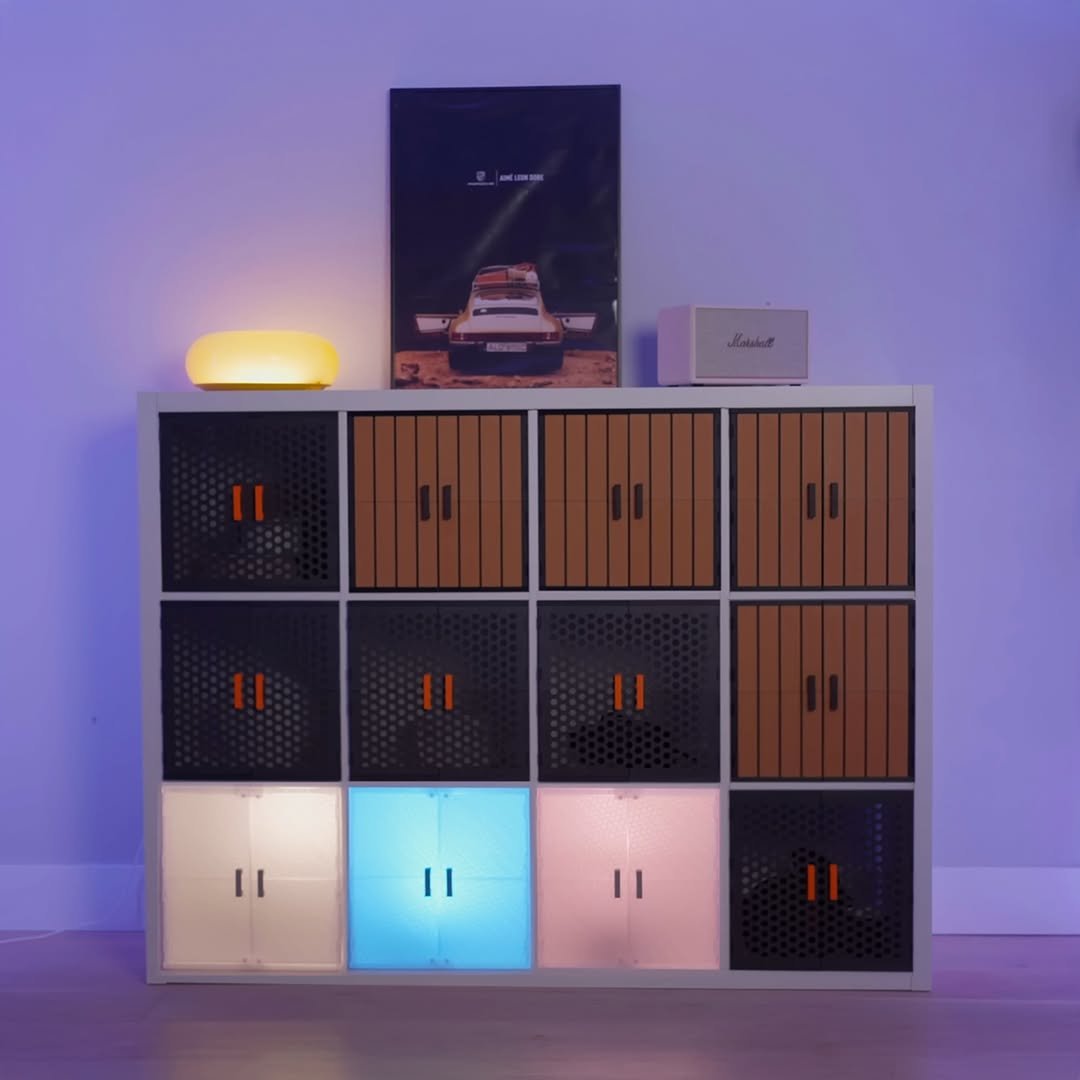
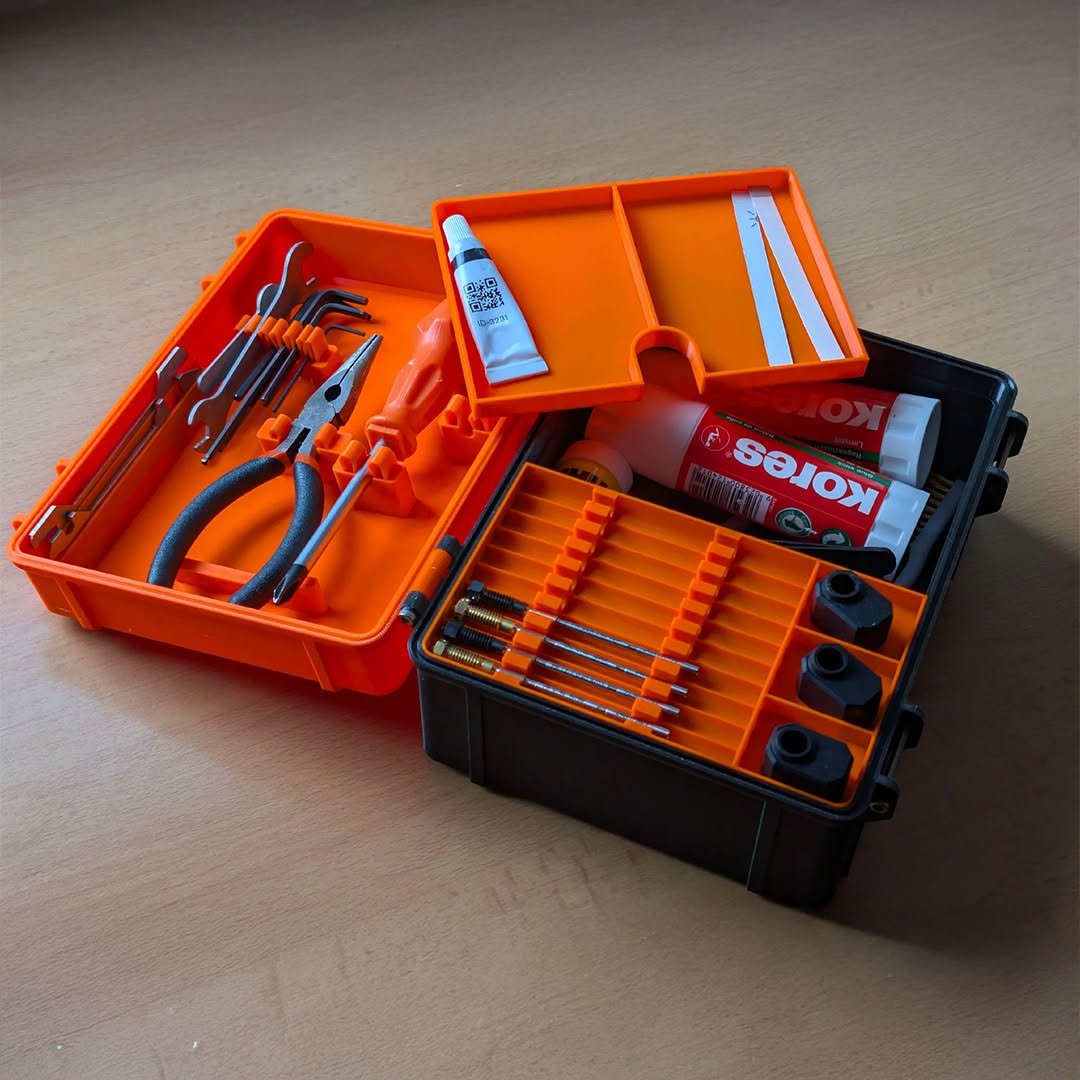
  • Workshop Organizers
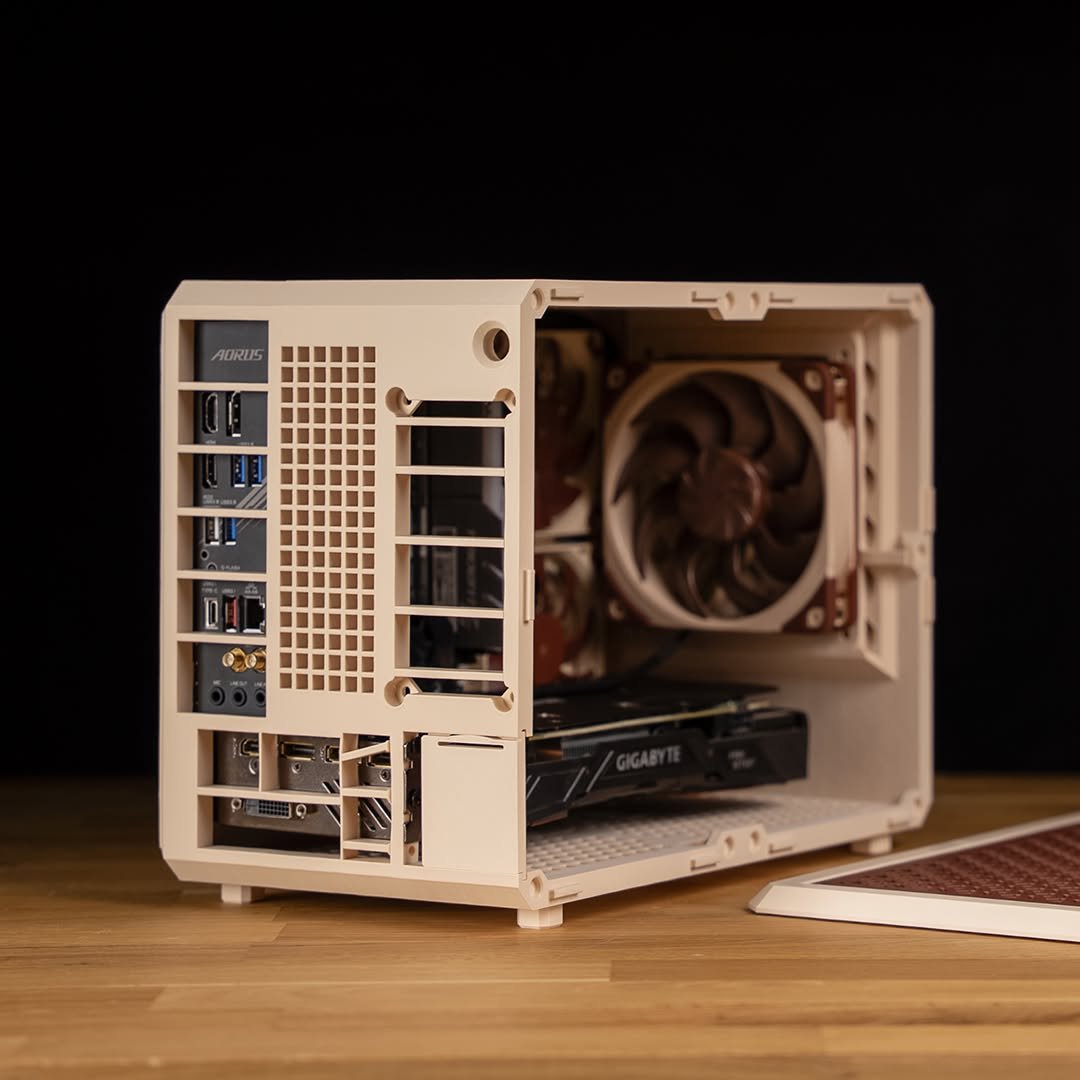
  • 3D Printed PC Case
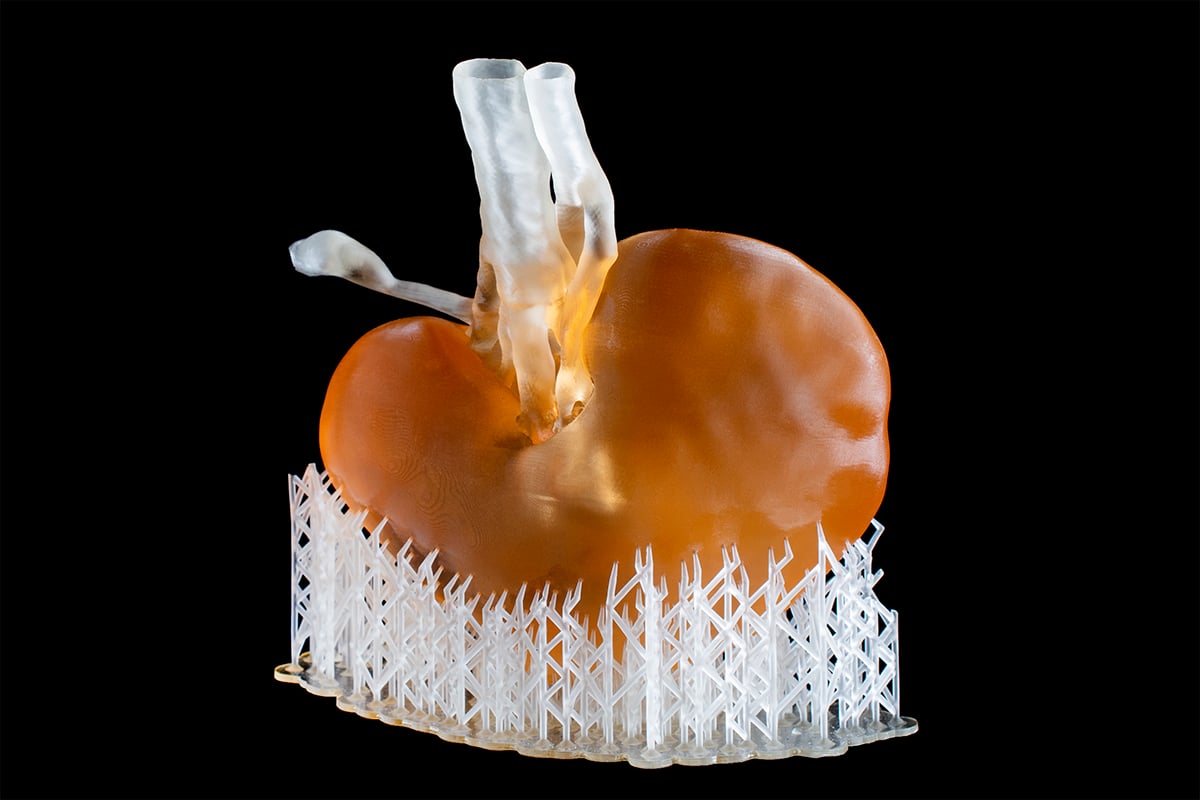
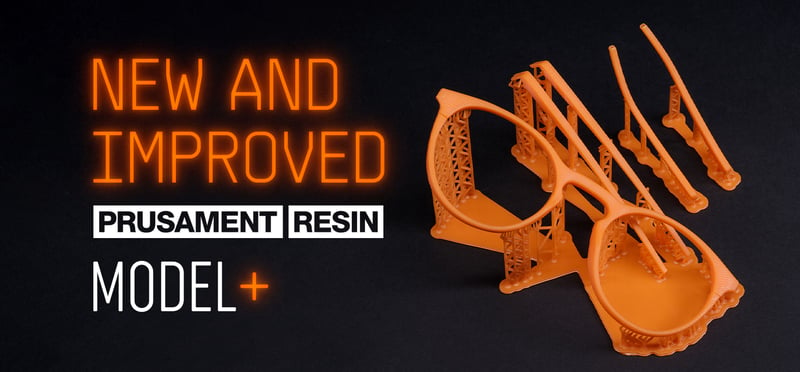
  • Medical Model printed on SLA 3D Printer using high-quality resin
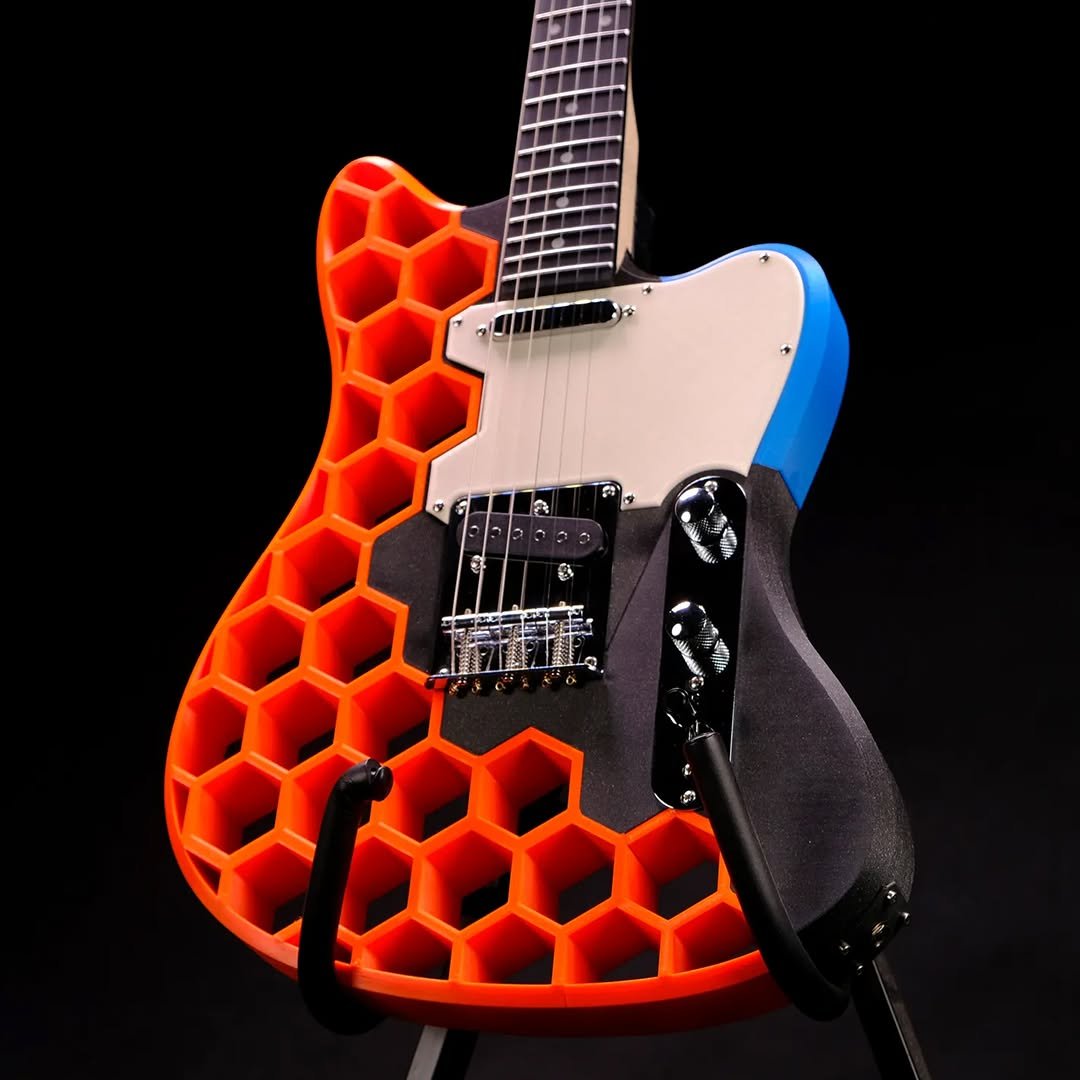
  • A fully functional 3D printed guitar
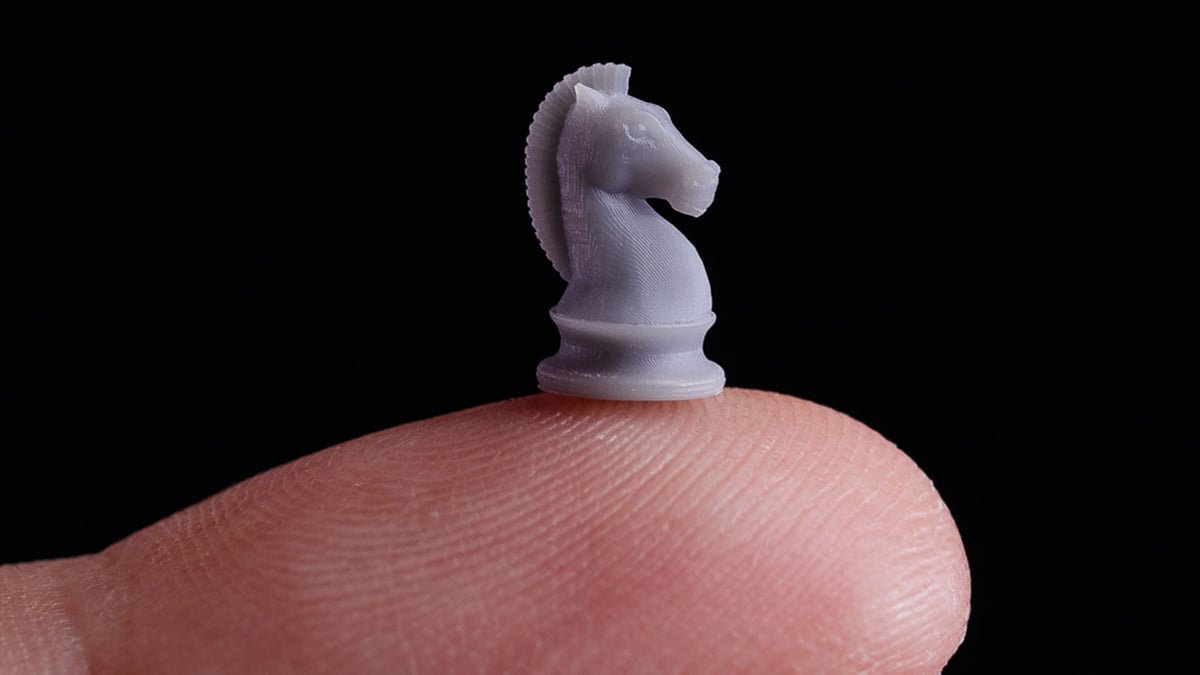
  • Amazing details on an SLA 3D print
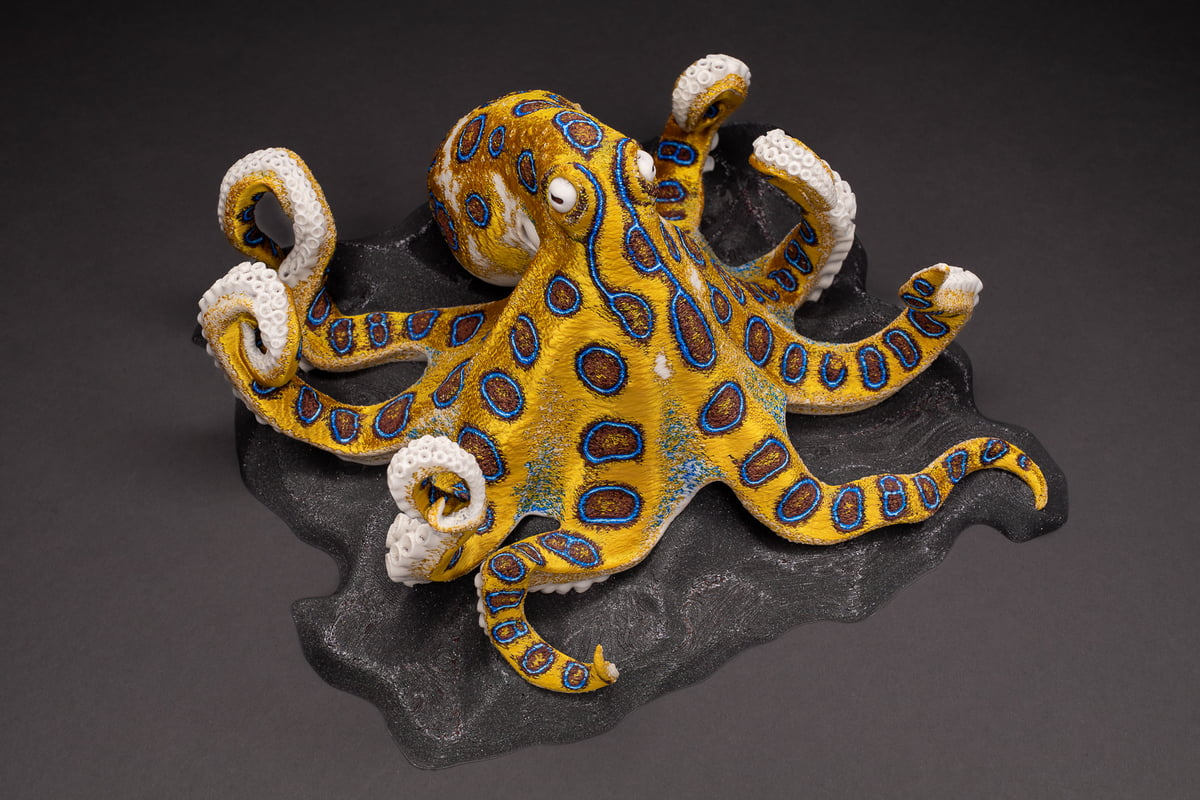
  • 8-color Octopus Model printed on CORE One+ INDX
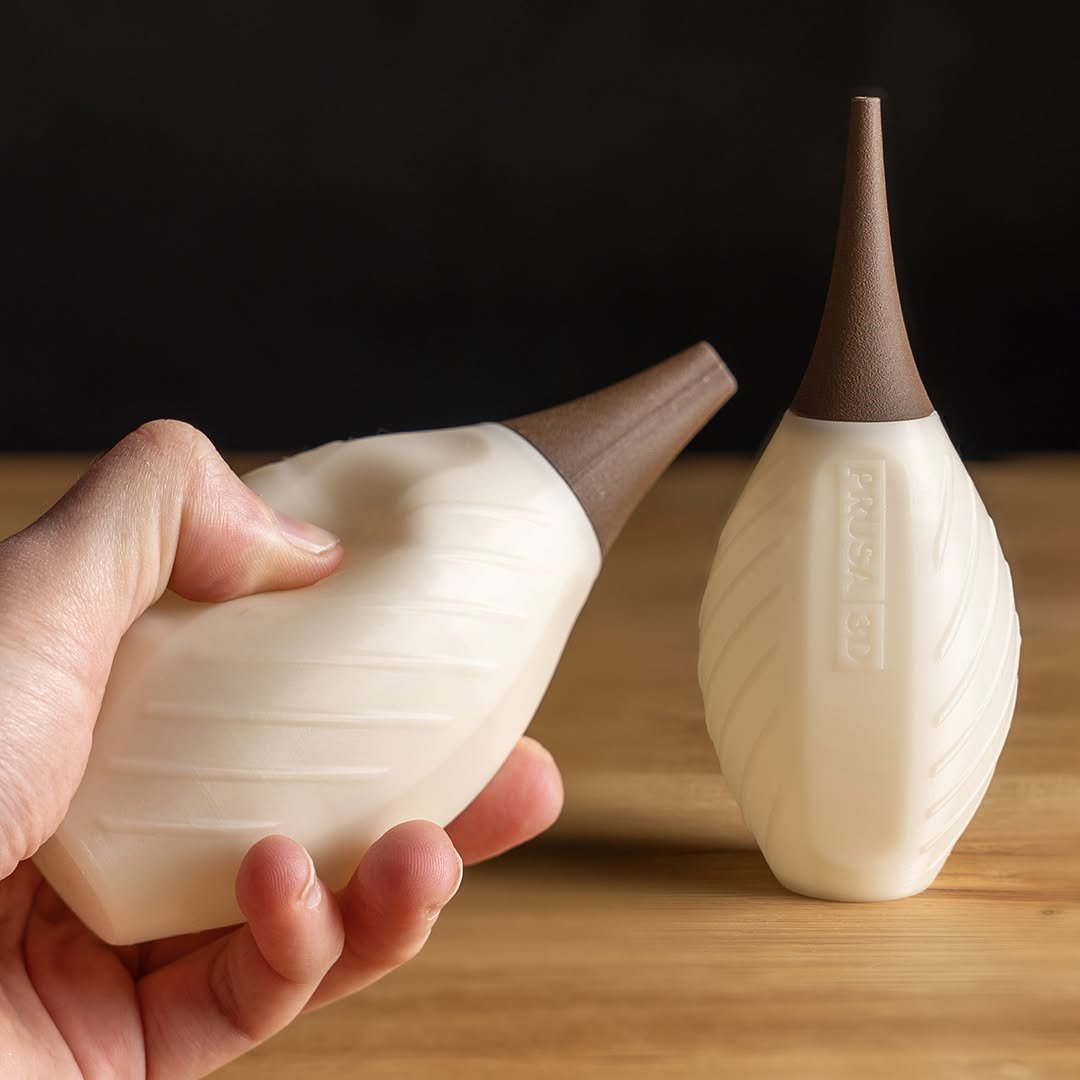
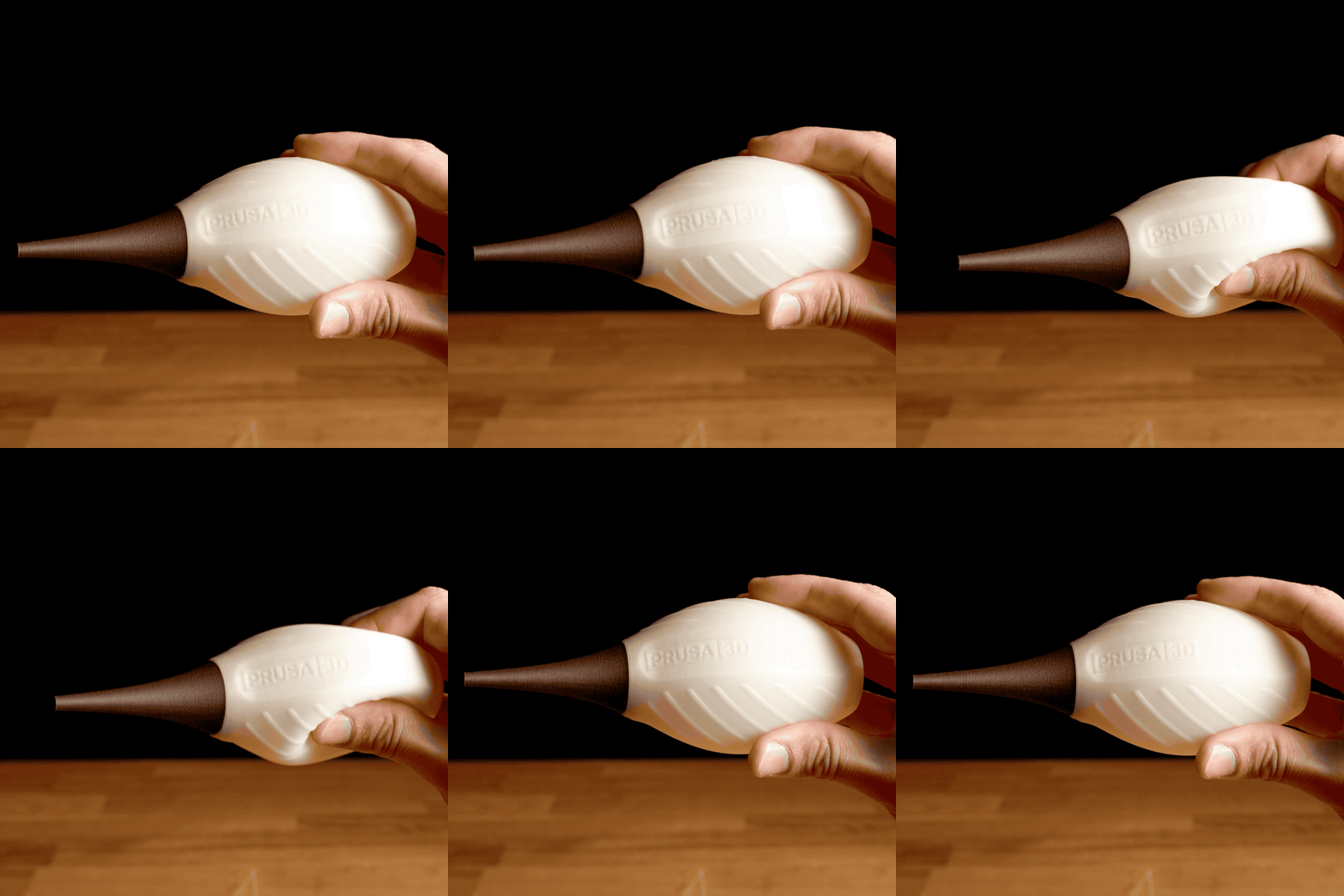
  • Flexible Models printed with TPU filament
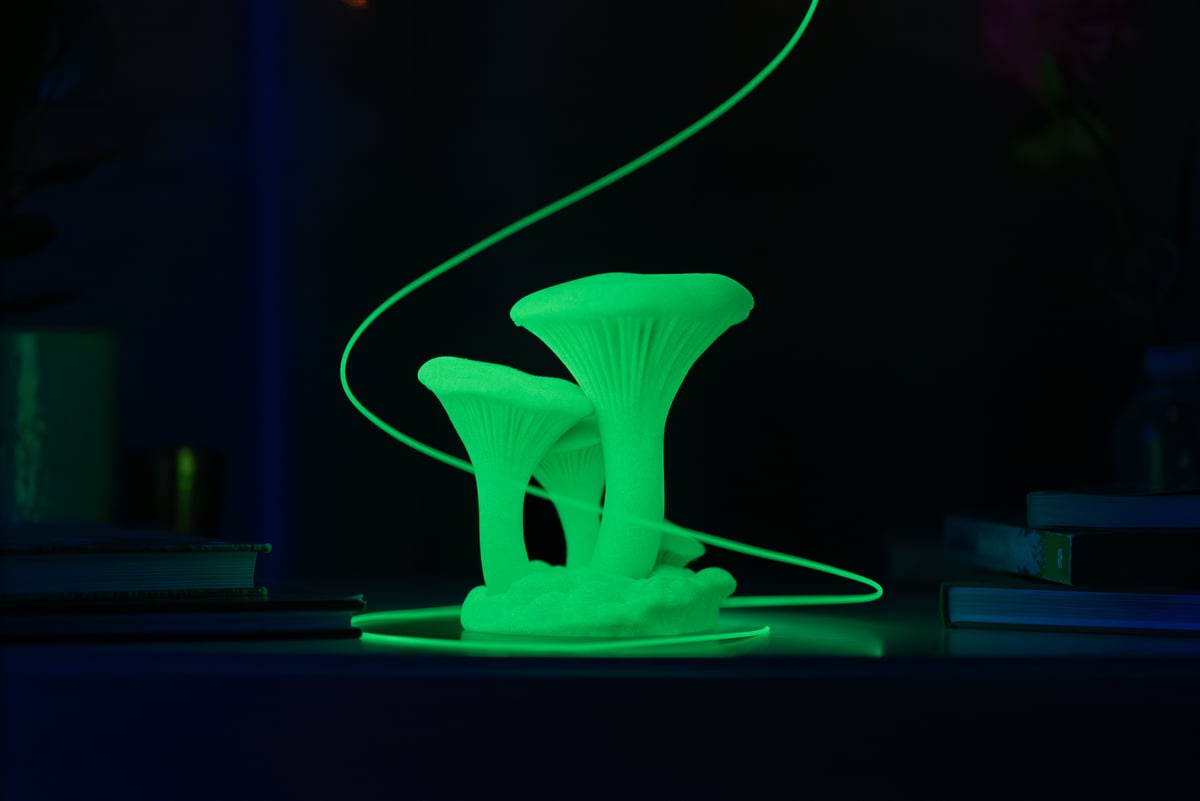
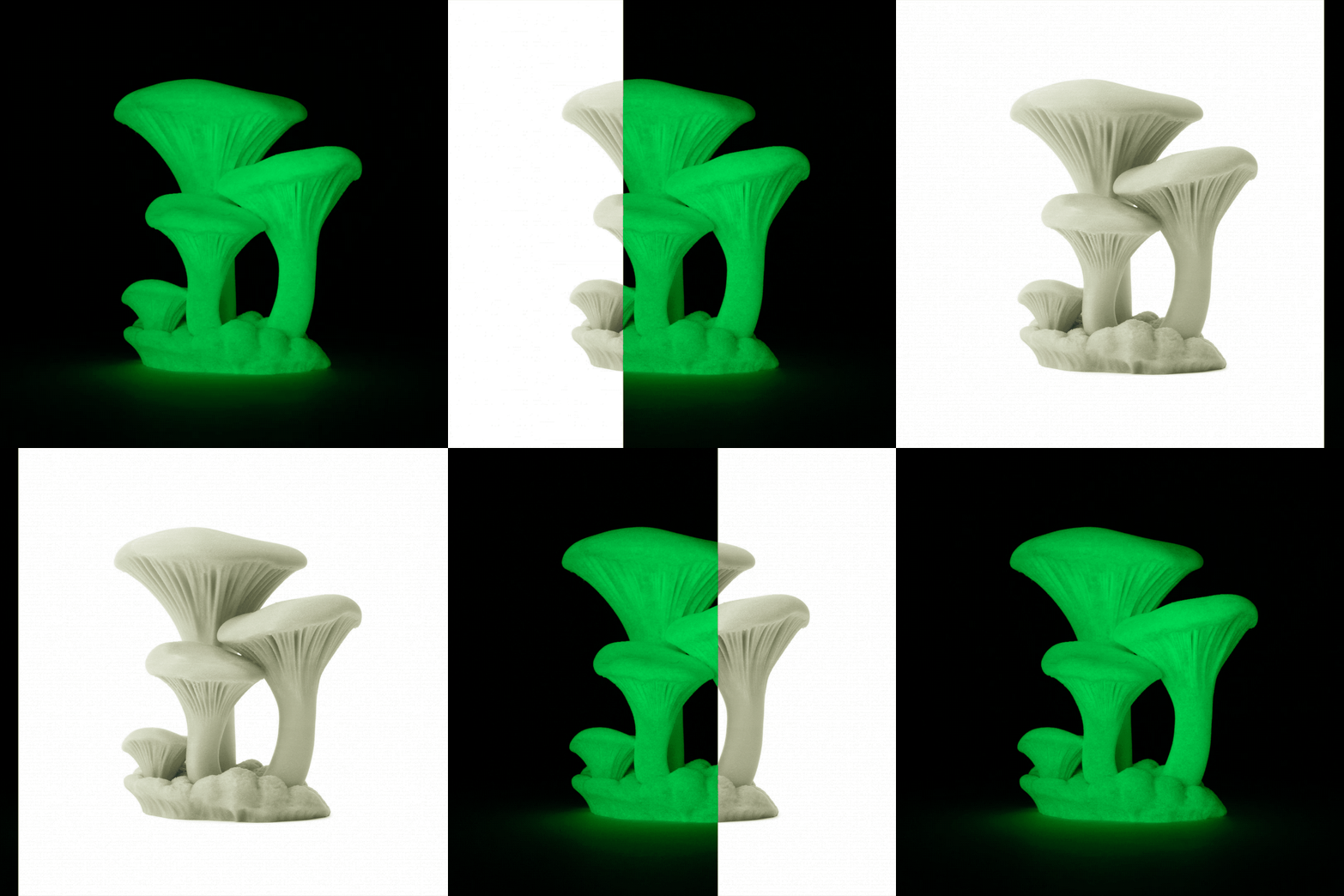
  • Models that glow in the dark

How difficult is 3D Printing?

Years ago, 3D printing required tinkering and lengthy calibrations. Nowadays, you can simply unpack a pre-calibrated printer and operate it from your phone.

Setting up a 3D printer

A modern 3D printer takes under 20 minutes to set up.
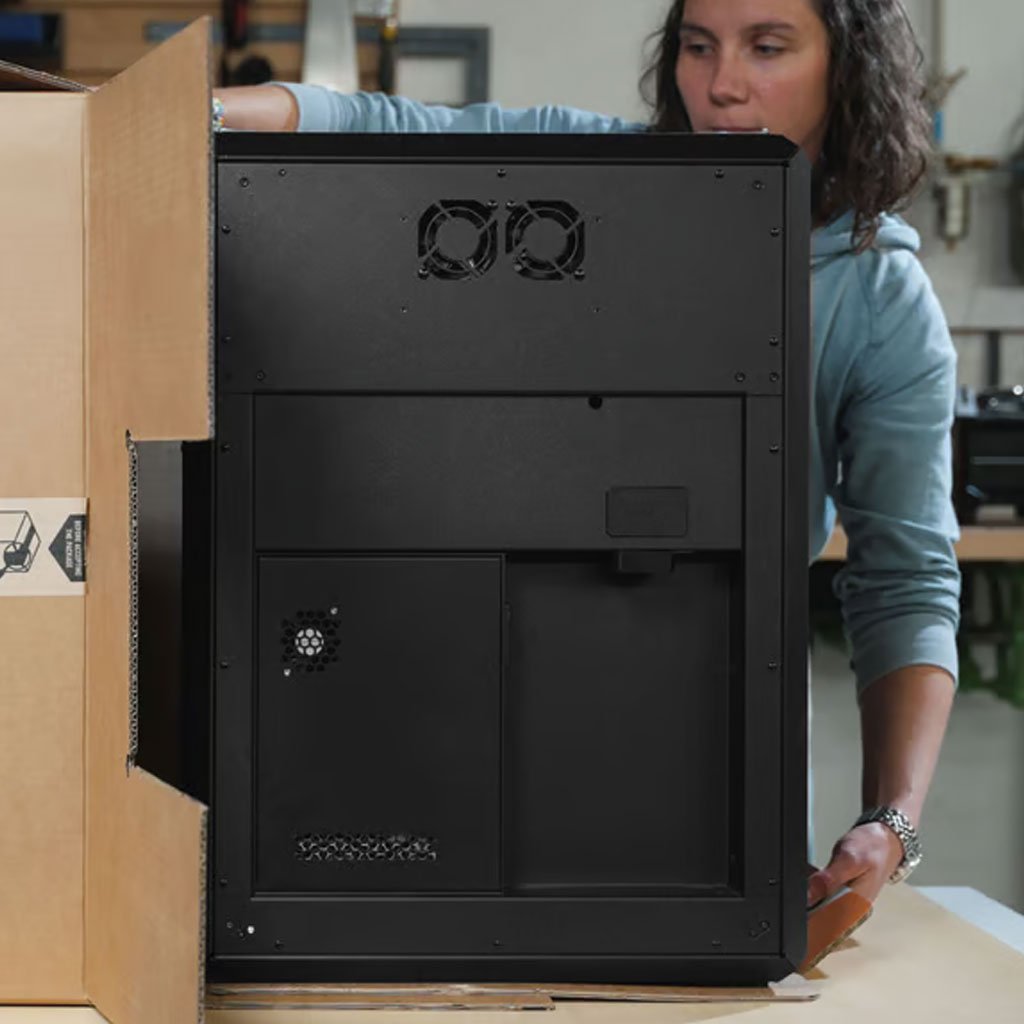
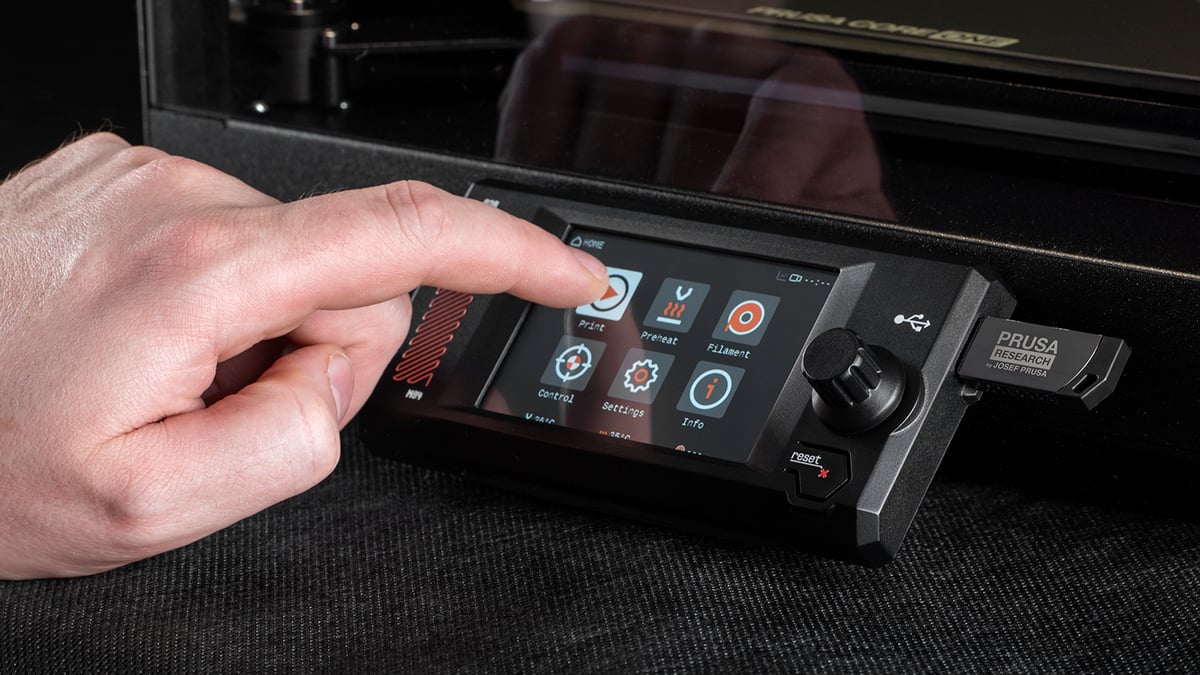
Takes 5-10 minutes. Most 3D printers fit on a normal desk and plug into a standard socket. Prusa CORE One series usually require you to mount the display - attach a single cable and snap the display in place.
Unpack it

Done in 5 minutes — speak friend, and enter. Simply follow the introduction on the screen.
Follow the New User Guide

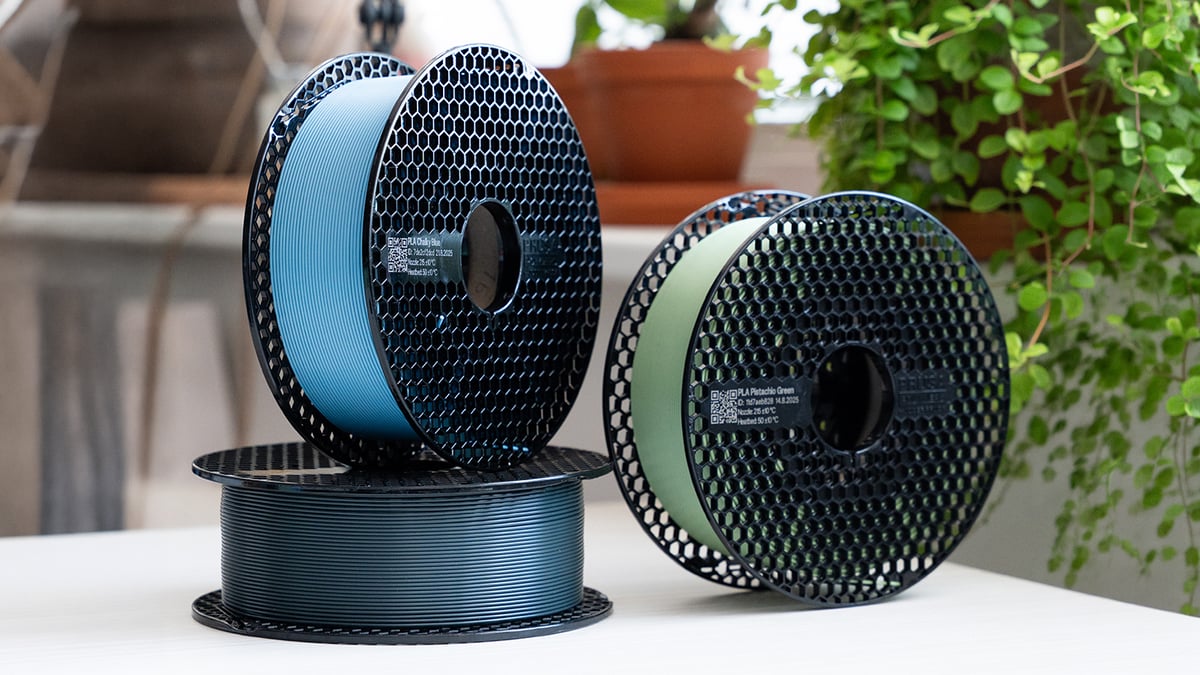
Filament is the material used in FDM 3D Printers. It's easy-to-use, completely safe, and inexpensive. More on filaments down below.
Load the filament
prusa academy
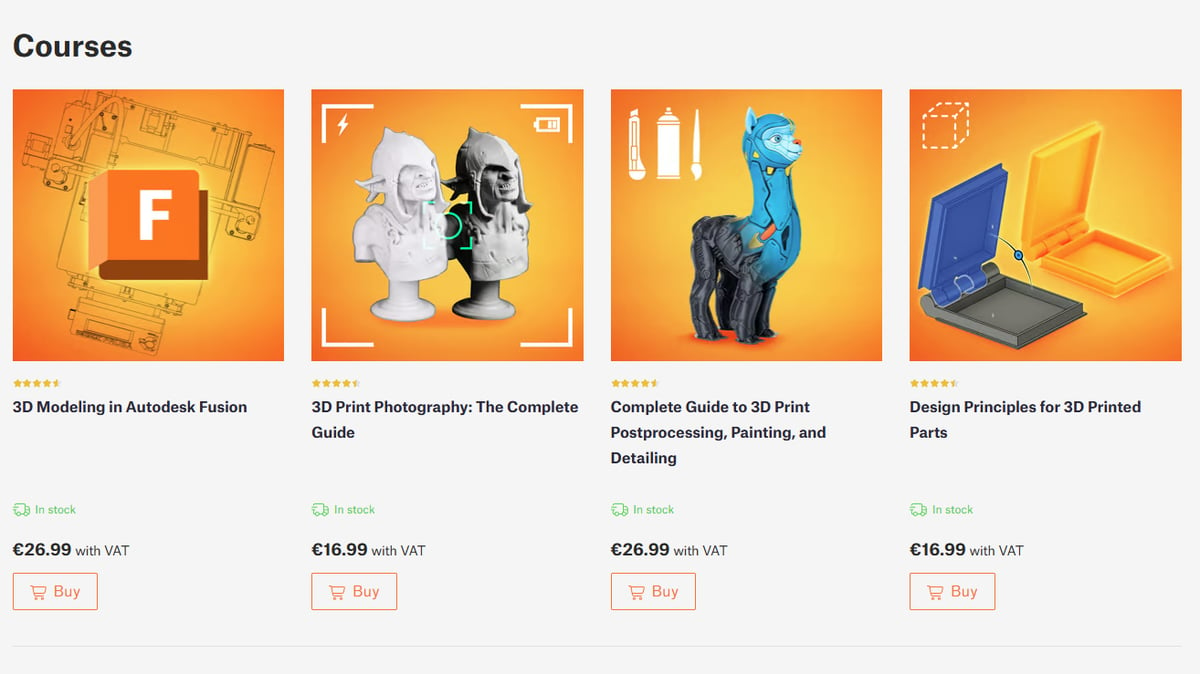
Prusa Academy Courses

Getting Started is Easier Than Ever Before

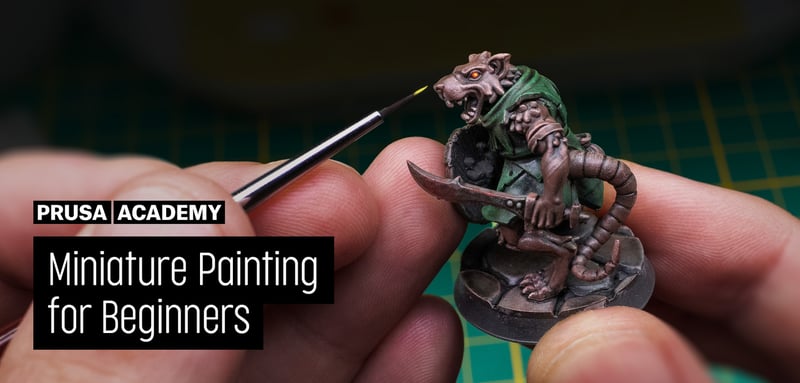
Prusa Academyでは、3Dプリントを始めるのに役立つ、分かりやすい視覚的なステップバイステップガイドを常に増やしています!

コースでは、3Dプリンターのセットアップからデザインの基本、ミニチュア塗装のチュートリアルまで、すべてをカバーしています。

Choose from

1,000,000+FREE 3D MODELS AT PRINTABLES.COM

Filament: Diverse Materials for Diverse Needs

Standard filaments are safe and exceptionally easy to handle, yet advanced varieties offer structural properties that suit demanding engineering projects. Starting a print simply involves placing a spool onto the holder and feeding the filament strand into the automatic feeder.

one spool

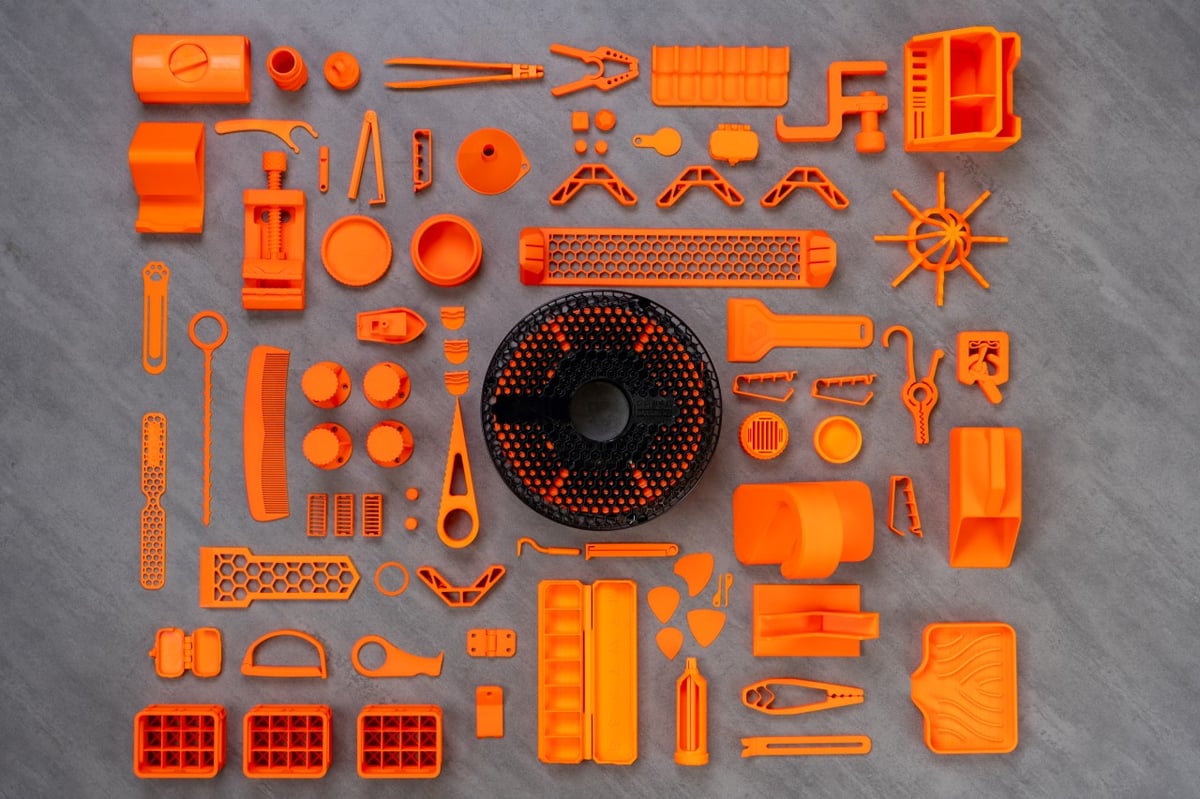
One Spool = Over 80 Different Objects!

You can print A LOT with a single spool of filament.

One kilogram of filament prints one kilogram of objects - but that's a bit difficult to imagine. Check out the photo to see how many things we printed with a single spool of Prusament - it's over 80 different objects!

Shop Filaments

We produce our own in-house filament, Prusament. No rebranded third-party materials. Each spool is thoroughly tested and you can even display the whole testing report for each individual spool you buy.

Choosing the right 3D printer for the job

Most of the materials listed above can be printed on standard desktop 3D printers. Highly advanced engineering materials may need an industrial-grade machine. Not sure which road to take? Check our guide:

Who are you printing for?

We cover the entire range - from starter printers to highly advanced models.

Original Prusa MINI+
Original Prusa MK4S
Original Prusa MK4S
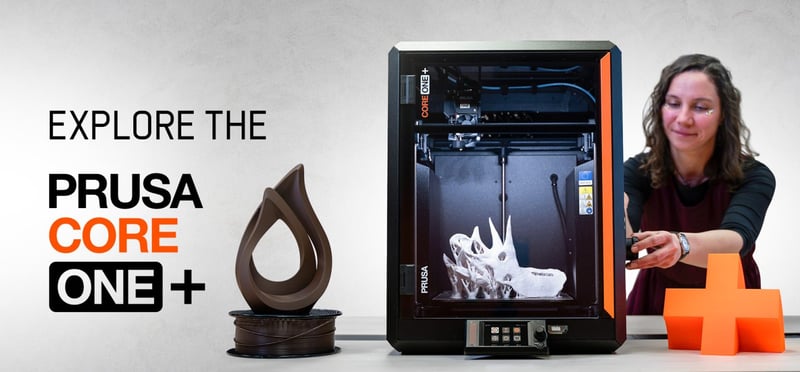
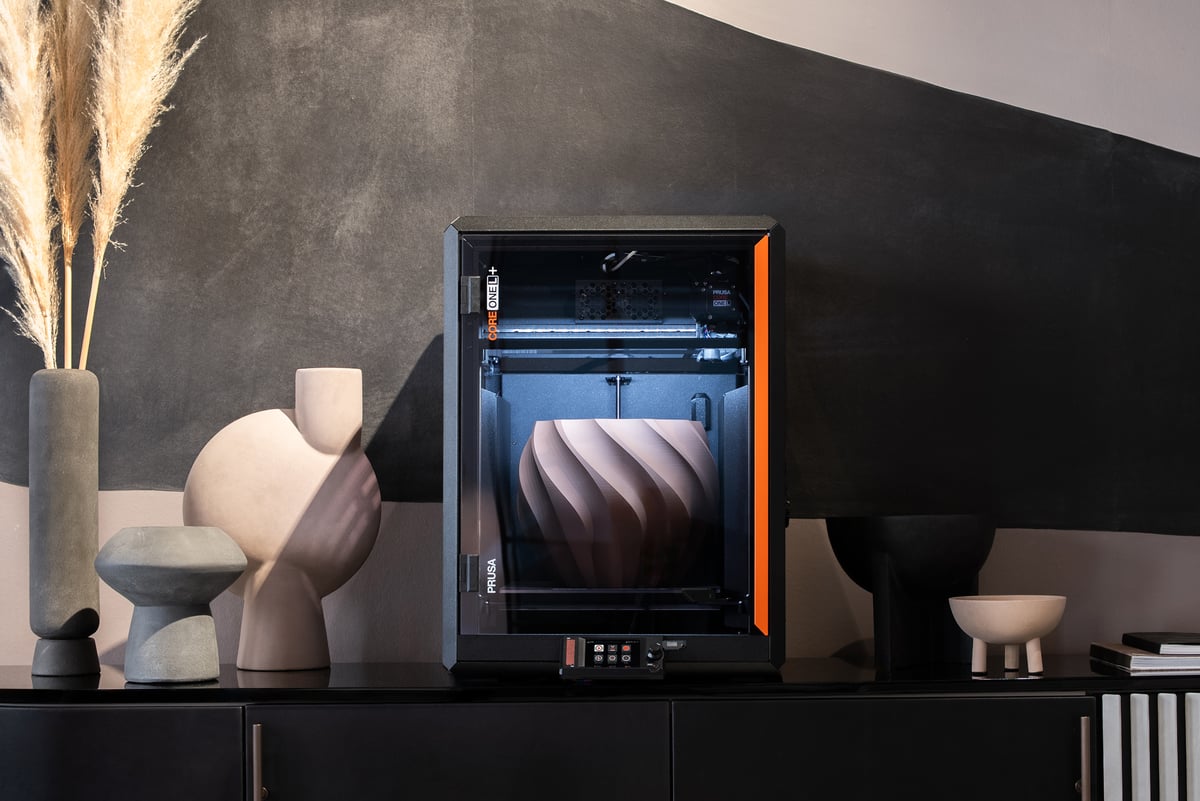
Prusa CORE One+
Prusa CORE One+
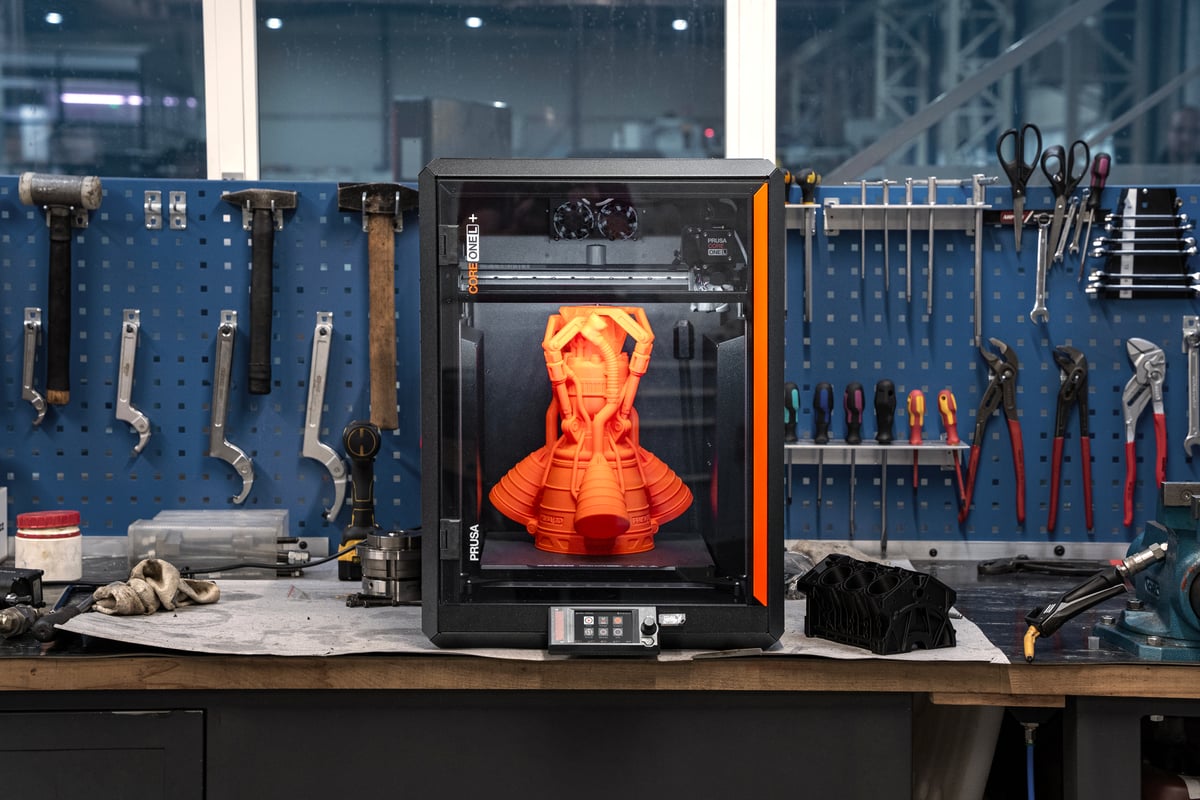
Prusa CORE One L
Prusa CORE One L
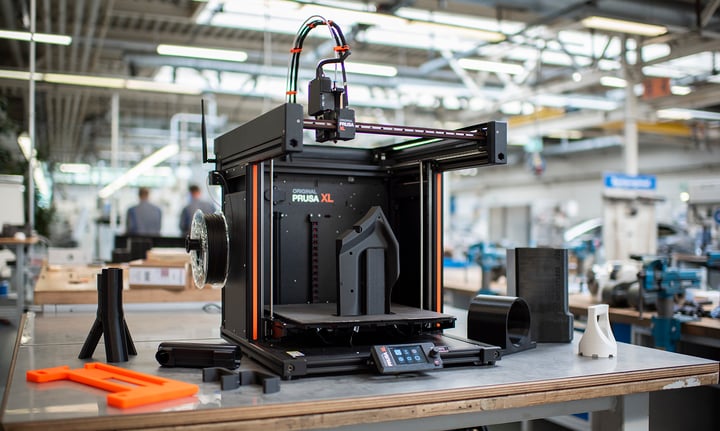
Original Prusa XL
Original Prusa XL
Prusa PRO HT90
Prusa PRO HT90
Prusa SL1 Speed
Prusa SL1 Speed
Prusa PRO SLX
Prusa PRO SLX
Prusa Medical One
Prusa Medical One
Original Prusa MINI+
Original Prusa MK4S
Original Prusa MK4S
Prusa CORE One+
Prusa CORE One+
Prusa SL1 Speed
Prusa SL1 Speed
Prusa CORE One+
Prusa CORE One+
Prusa CORE One L
Prusa CORE One L
Original Prusa XL
Original Prusa XL
Prusa SL1 Speed
Prusa SL1 Speed
Prusa Medical One
Prusa Medical One
Prusa CORE One L
Prusa CORE One L
Original Prusa XL
Original Prusa XL
Prusa PRO HT90
Prusa PRO HT90
Prusa PRO SLX
Prusa PRO SLX
Prusa Medical One
Prusa Medical One
Original Prusa MINI+
Original Prusa MK4S
Original Prusa MK4S
Prusa CORE One+
Prusa CORE One+

Frequently asked questions

Filament-based FDM machines melt thermoplastic spools to construct sturdy functional components layer by layer, which makes them ideal for structural parts, custom jigs, production fixtures, and mechanical prototypes. Conversely, liquid resin SLA systems cure photopolymers using light engines to resolve incredibly fine surface features, though the resulting components tend to be more brittle and require post-cure washing and UV baking.

A properly constructed kit prints with the exact same mechanical precision as a factory-assembled machine because they share identical frame geometry, stepper motors, control electronics, and firmware. Building the printer yourself takes several hours but provides an invaluable understanding of the gantry alignment, belt tension, motion axes, and extruder mechanics, which simplifies future maintenance and troubleshooting.

You should begin with PETG because it offers a superb balance of mechanical toughness, chemical resistance, UV stability, and ease of printing. While PLA is simpler to extrusion-print, it deforms under modest thermal loads, whereas PETG withstands outdoor exposure and moderate structural stress without requiring an enclosed printing environment.

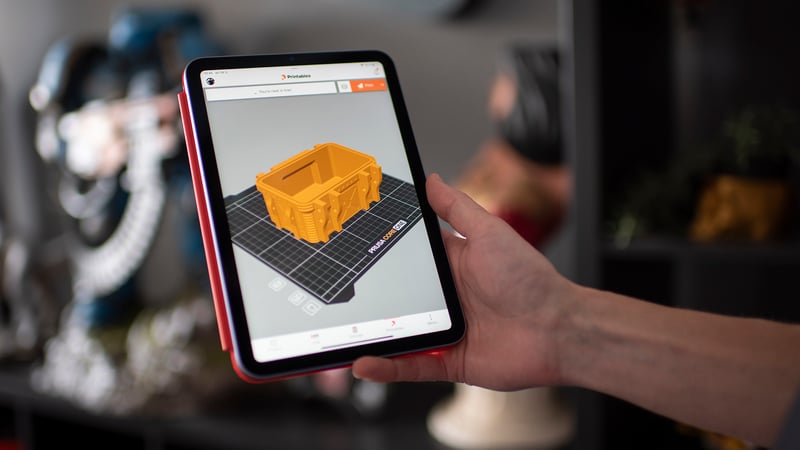
You can operate a printer immediately using community repositories like Printables, where millions of pre-tested, print-ready designs are freely available. If you eventually need custom engineering components, free parametric CAD tools allow you to design parts mathematically, meaning you can gradually transition from downloading files to creating proprietary designs.

Standard materials like PLA and PETG release virtually no odor and can be safely printed in typical office spaces, though you should maintain basic ventilation to handle ultra-fine particles. When printing technical materials such as ABS or carbon-fiber composites, volatile organic compounds and microscopic fibers necessitate the use of an enclosed printer equipped with a HEPA and carbon filtration system.

Maintaining peak performance requires cleaning the spring-steel print surface with isopropyl alcohol to ensure proper first-layer adhesion, alongside occasional lubrication of the linear rails or rods. You should also inspect belt tension periodically. All in all, it's 20 minutes of maintenance for hundreds of hours of operation.

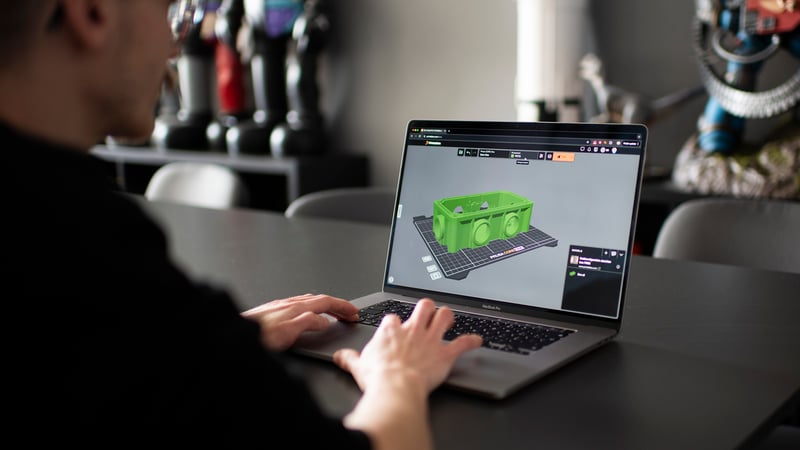
The slicer acts as the mechanical compiler that translates a 3D mesh into specific motor movements, heating instructions, and volumetric extrusion paths. By modifying internal parameters like infill density, perimeter shell thickness, extrusion temperature, and layer height, you can radically alter a part's structural strength, print speed, and surface finish without changing its external design.

Standard brass nozzles can print non-abrasive polymers for hundreds of hours before the orifice deforms, but abrasive materials like carbon-fiber composites will erode brass within a single spool. Upgrading to a hardened steel or high-flow nozzle allows you to run abrasive filaments indefinitely, while double-sided spring-steel sheets last for thousands of prints if you avoid scraping them with metal tools.