

Découvrez les offres du Black Friday ! Livraison gratuite, cadeaux incroyables, réductions et bien plus encore ! Se termine dans

Print large jigs, fixtures and production parts.

XL+From 2 299 $US

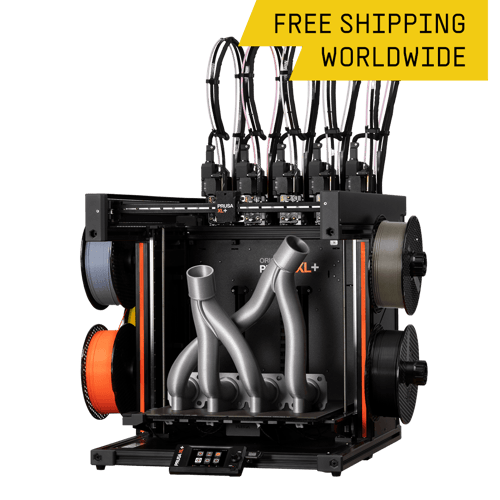
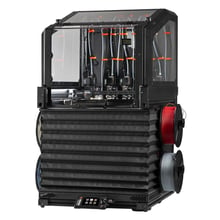
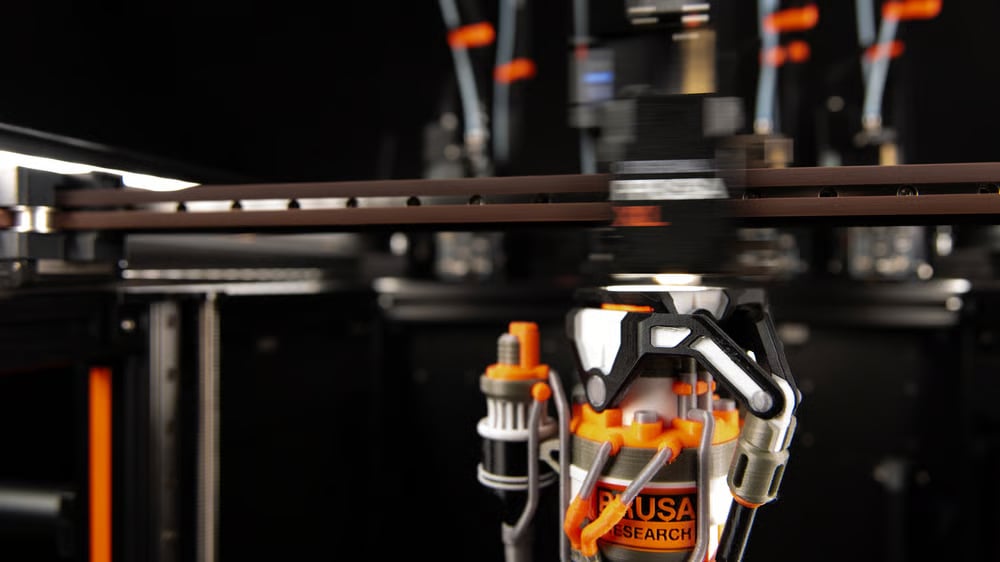
This large-format 3D printer with a state-of-the-art toolchanger allows you to combine diverse materials in a single automated job with virtually zero waste.

  • 360×360×360Print volume (mm)
  • 5Independent toolheads
  • 24/7Human support

Our Largest 3D Printer, Improved.

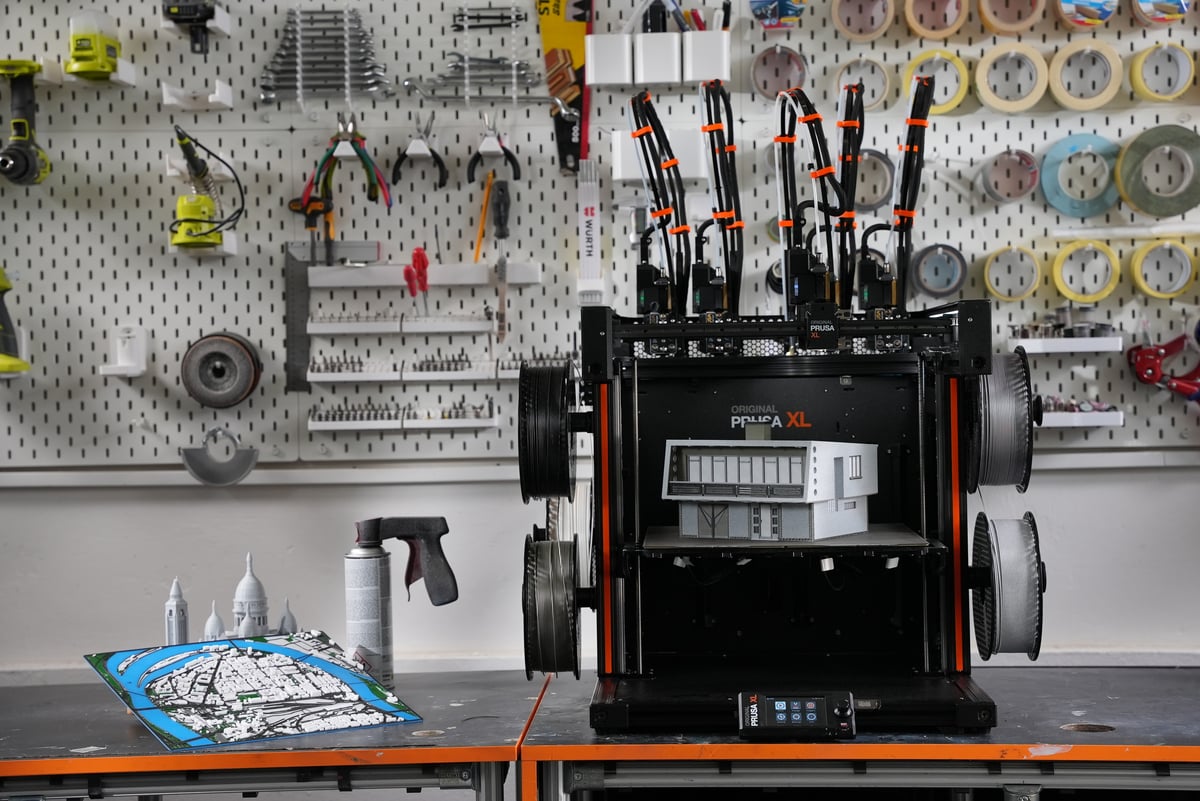
En offrant un volume de construction substantiel de 360 × 360 × 360 mm, la XL+ élimine les compromis structurels liés au collage de composants séparés et permet aux ingénieurs d'imprimer de grandes fixations structurelles en une seule tâche continue. Plutôt que de s'appuyer sur une seule buse qui doit purger continuellement le matériau lors des échanges, cette machine utilise un changeur d'outils mécanique actif pour alterner entre jusqu'à cinq têtes d'outils indépendantes.

The printer handles these heavy physical transitions automatically in under ten seconds. Because each toolhead maintains its own thermal profile and nozzle, you can combine completely different materials like soluble supports and structural nylon in a single run without risking cross-contamination or wasting filament on massive purge towers.

The Toolchanger is What Makes the Difference

Excellent Print Quality, Clean Color Transitions

True Multi‑Material Printing

Save on Running Costs

Print Massive, Detailed Objects

Combine Various Nozzle Sizes

Black Friday

XL+

Jusqu'à 1050€ de cadeaux

Original Prusa XL+, le changeur d'outils
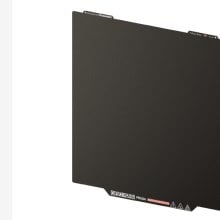
  • Plaque d'impression texturée pour la XL+ gratuite
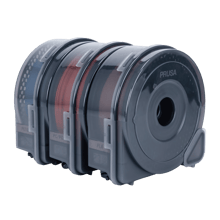
  • Jusqu'à 5 bobines de Prusament gratuites
  • Livraison gratuite
  • Extension de garantie d'un an gratuite
  • 2 cours gratuits de la Prusa Academy
  • Bon de réduction de 45€ pour la mise à niveau INDX CORE One+/L+
  • 4 modèles 3D incroyables gratuits
  • Bon d'achat pour des aiguilles de nettoyage de buse chez CNC Kitchen
Original Prusa XL+, le changeur d'outils

La meilleure qualité d'impression absolue

« Si vous recherchez la meilleure qualité d'impression absolue sur une machine unique en son genre pour ses capacités multi-matériaux ou multi-extrudeurs, la XL est faite pour vous. »

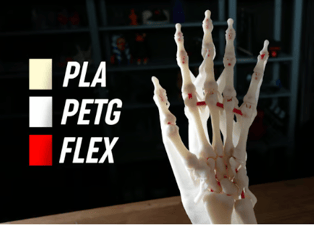
Test de Make: Magazine
Test de Make Magazine ; un modèle de main

Pourquoi le changeur d'outil de la XL+ gagne

Véritable multi-matériaux

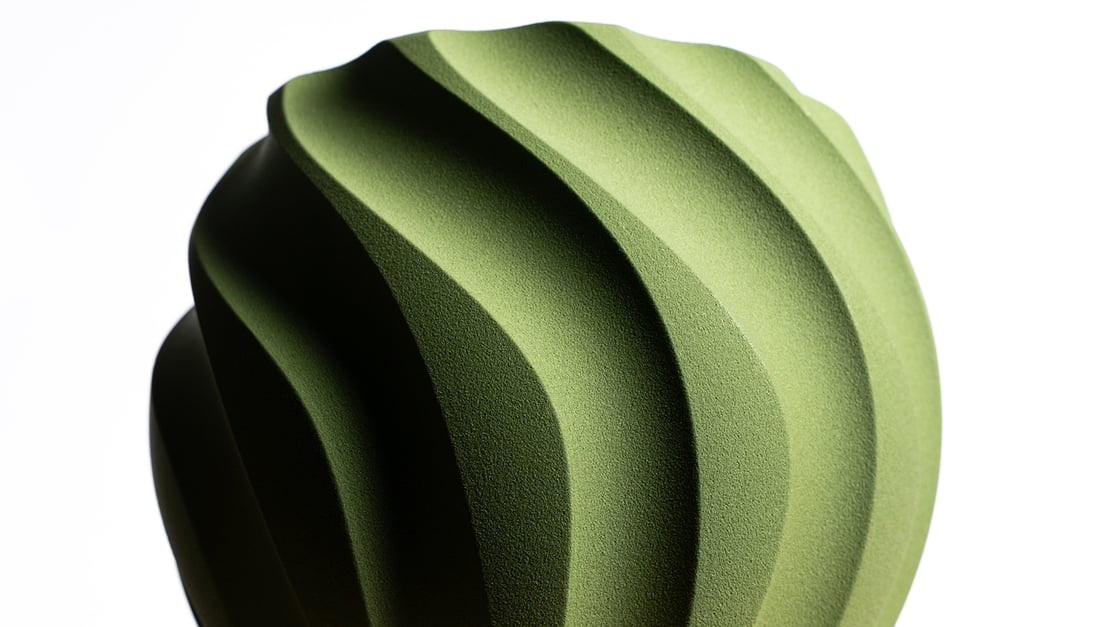
Véritable multi‑matériaux

Cinq outils et un volume d'impression énorme. Mélangez des matériaux rigides, flexibles, solubles et différentes tailles de buses en une seule tâches ; qualité d'impression parfaite, pas de contamination croisée.
Changements d'outils les plus rapides

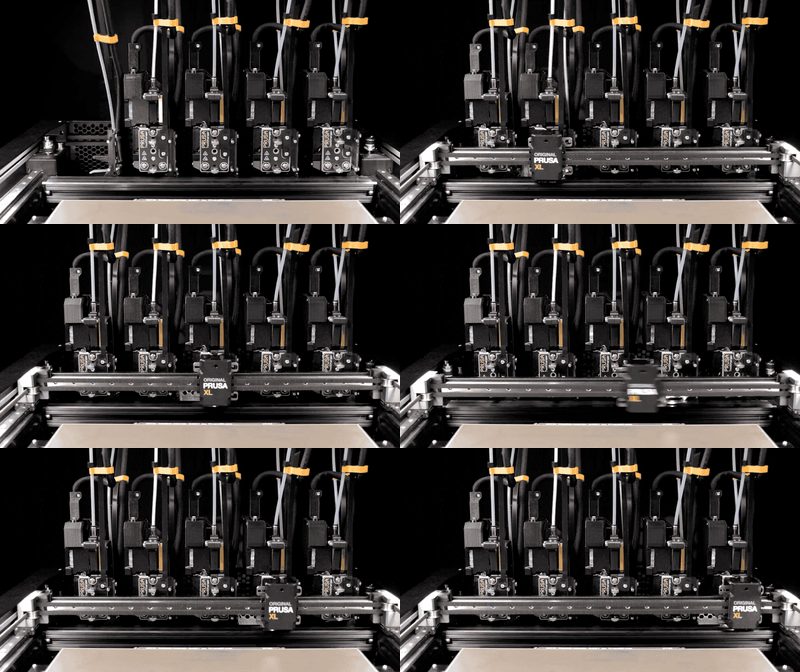
Changements d'outils les plus rapides

Changements ultra-rapides et fiabilité maximale. Les outils sont changés en quelques secondes, tandis que les solutions de changement de filament perdent des dizaines de secondes à purger et à recharger.
Zéro déchet de purge

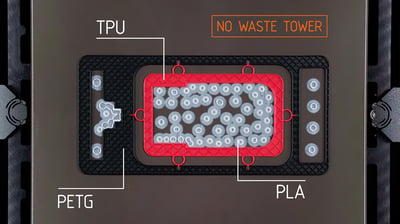
Zéro déchet de purge

Économisez des kilogrammes de filament à long terme. Chaque tête d'outil conserve sa propre buse, de sorte que les travaux multi-matériaux ne remplissent pas une poubelle avec des kilogrammes de déchets plastiques.
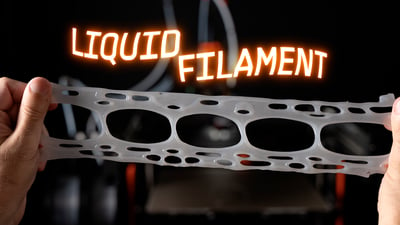
Plateforme évolutive

Plateforme évolutive

Têtes d'outils interchangeables au-delà de l'impression 3D et une large gamme de mises à niveau et d'accessoires. Pas de verrouillage fournisseur et fonctionnement entièrement hors ligne.

Gabarits intelligents avec indicateurs d'usure visuels intégrés

Lorsque le frottement use la surface, la couleur cachée apparaît comme un avertissement visuel instantané. Maintenez la précision de votre production, un contrôle qualité strict et évitez les pièces non conformes sur la ligne.
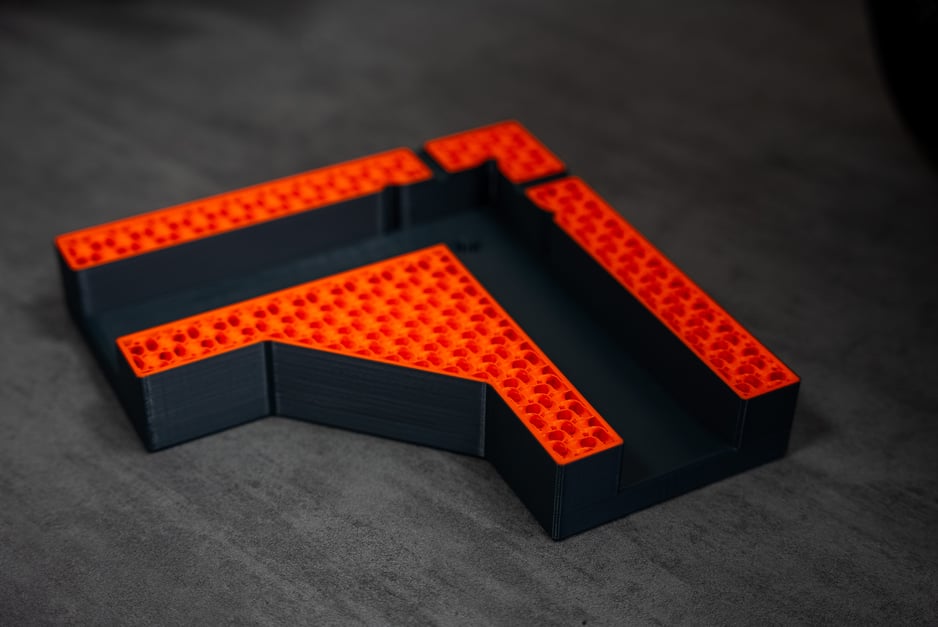
Gabarit avec une couleur interne différente

Coûts de fonctionnement

L'achat de l'imprimante est la plus grande dépense. Après cela, il ne reste que le filament et l'occasionnelle buse ou plaque d'impression de rechange.

  • Pas de verrouillage fournisseur
  • Pas d'abonnements forcés
  • Logiciels et mises à jour du firmware gratuits
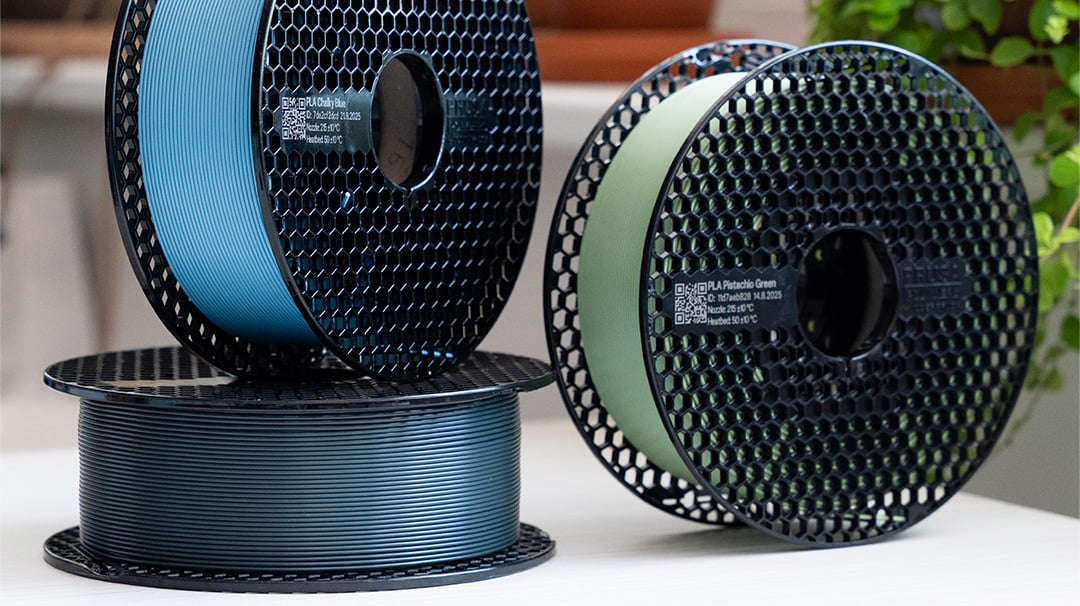
Filament

Une bobine imprime des dizaines d'objets.

~30€/kg
Remplacement de la buse

Dure des centaines d'heures, le remplacement prend 2 minutes

~28€
Remplacement de la plaque d'impression

Plaques double face, durent des centaines d'heures

~40€
Logiciels & mises à jour du firmware

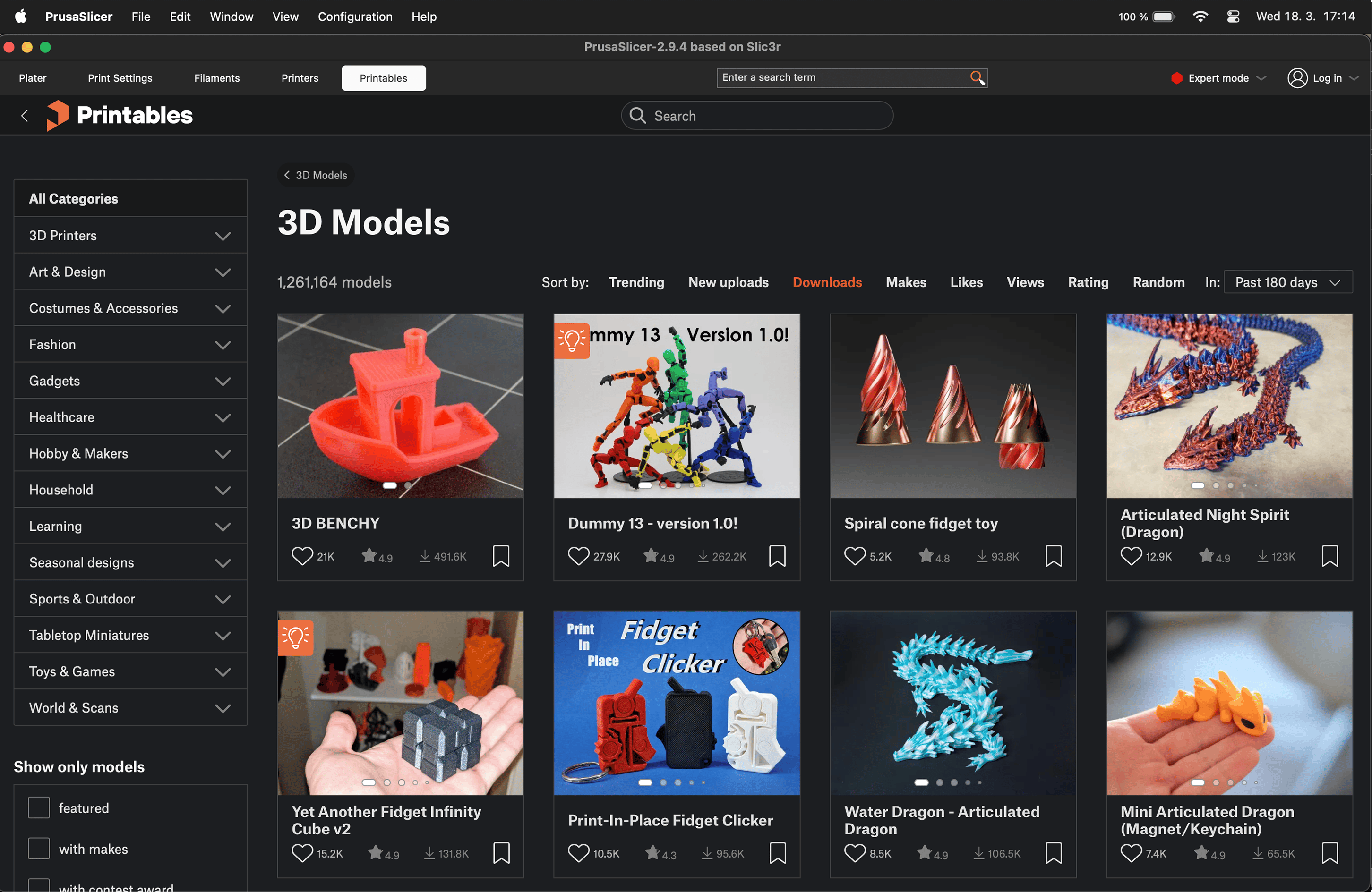
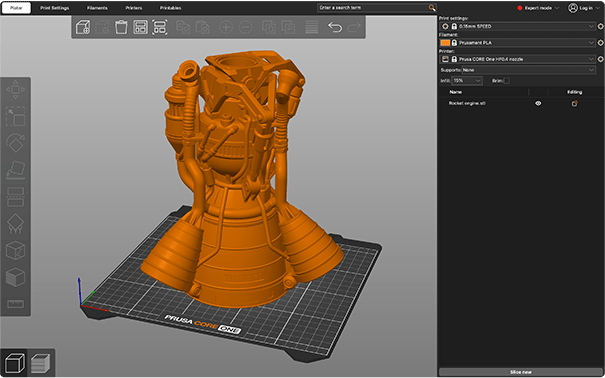
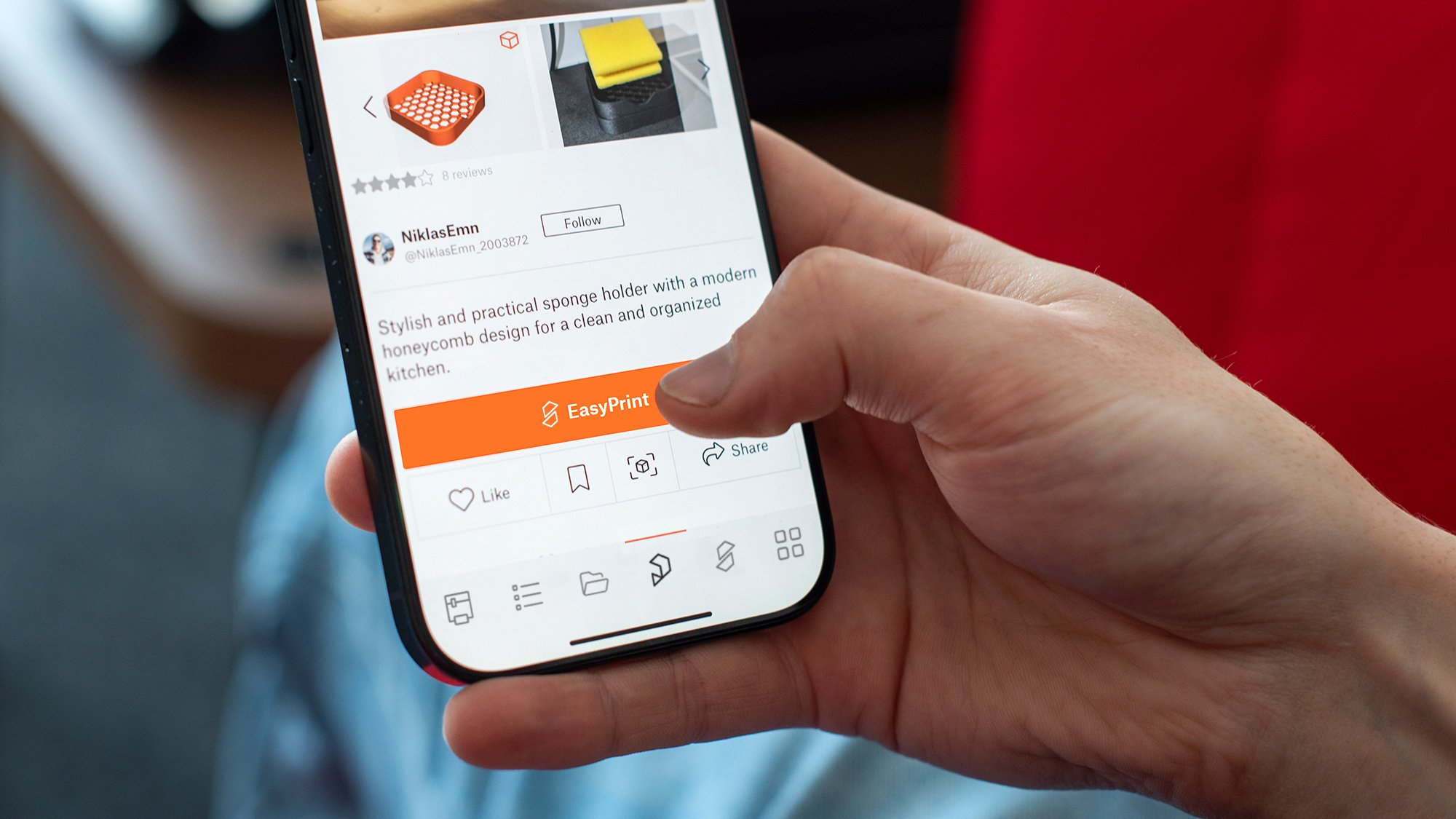
PrusaSlicer, EasyPrint, Prusa Connect, Prusa App et les mises à jour ; inclus et gratuits.

0
Prix par siège ou licence

Vous êtes propriétaire du matériel que vous achetez.

Nous ne contrôlons pas le nombre de personnes qui peuvent l'utiliser.

0
Part cost calculator
Essayez un modèle d'exemple — ou choisissez le vôtre

Traité dans votre navigateur — jamais téléchargé.

Qualité d'impression

Bon mélange de vitesse et de qualité. Convient à la plupart des impressions.

Choisissez un échantillon ou votre propre pièce pour voir l'estimation.
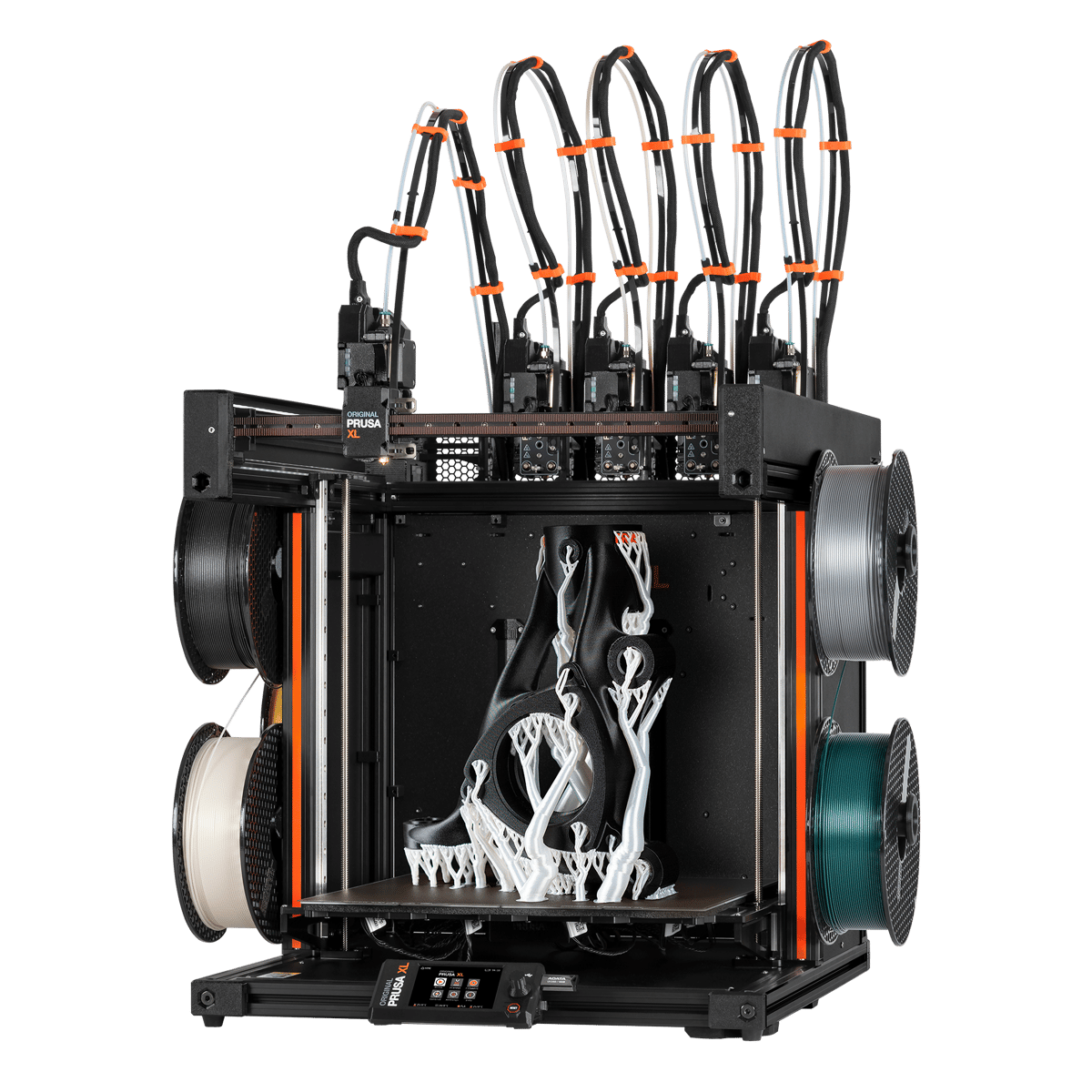
  • Prusa XL+La plus grande imprimante 3D à changeur d'outils du marché, capable de combiner plusieurs matériaux dans une même impression avec un minimum de déchets.À partir de 2 299 $USSee the printer
Request a quote

Your file is processed entirely in your browser and never uploaded to our servers.

Un écosystème ouvert. Aucun verrouillage fournisseur.

L'imprimante XL+ imprime les filaments de 1,75 mm de toutes marques, découpe avec un logiciel libre et gratuit, et fonctionne entièrement hors ligne. Chaque élément ci-dessous est facultatif. L'imprimante ne dépend jamais de notre cloud, de notre filament ou de notre autorisation.

Onboarding
Get Started Quickly

Fast Onboarding

We offer a wide range of Prusa Academy courses that will quickly teach you all the details and specifics of working with 3D printers. The XL+ comes also with a comprehensive handbook, a free Academy course, and you can also download a free ebook about 3D printing.

Sécurité et fiabilité optimales

Pourquoi Prusa est le choix numéro un pour les industries exigeantes.

Répétabilité parfaite

Ce que vous concevez est ce que vous imprimez : la première couche sondée par capteur de force, le cadre CoreXY rigide et les décalages automatiques par tête d'outil maintiennent les dimensions au fil des réimpressions et sur toutes les machines. Qualifiez une pièce une fois, puis réimprimez-la avec la même qualité.

Fiabilité avec une traçabilité

Notre propre ferme d'impression enregistre plus d'un million d'heures de test chaque trimestre, et les imprimantes Prusa de génération actuelle y maintiennent une fiabilité d'impression exceptionnelle. La XL+ est livrée avec toutes les corrections que nous avons préparées au cours des deux dernières années. Elle est parfaite, dès le premier jour.

Certifications HSE

Conforme aux normes CE et TAA. Prusa est le premier fabricant d'imprimantes 3D grand public à obtenir la certification UL 2904 GREENGUARD pour les émissions intérieures (MK4S avec Prusament PLA/PETG), et le système de filtration avancé couvre les espaces de travail partagés. Prusa Research est certifiée ISO 9001, 14001 et 45001.

Sécurité que votre équipe informatique peut auditer

Conçue pour être d'abord hors ligne : pas de cloud forcé, pas de connexion à distance, firmware open-source que vous pouvez lire, module Wi-Fi amovible. Conçue et fabriquée dans l'UE et aux États-Unis (y compris notre propre production de PCB à Prague) avec des configurations conformes TAA pour les marchés publics et la défense.

Opérez une imprimante... ou une centaine !

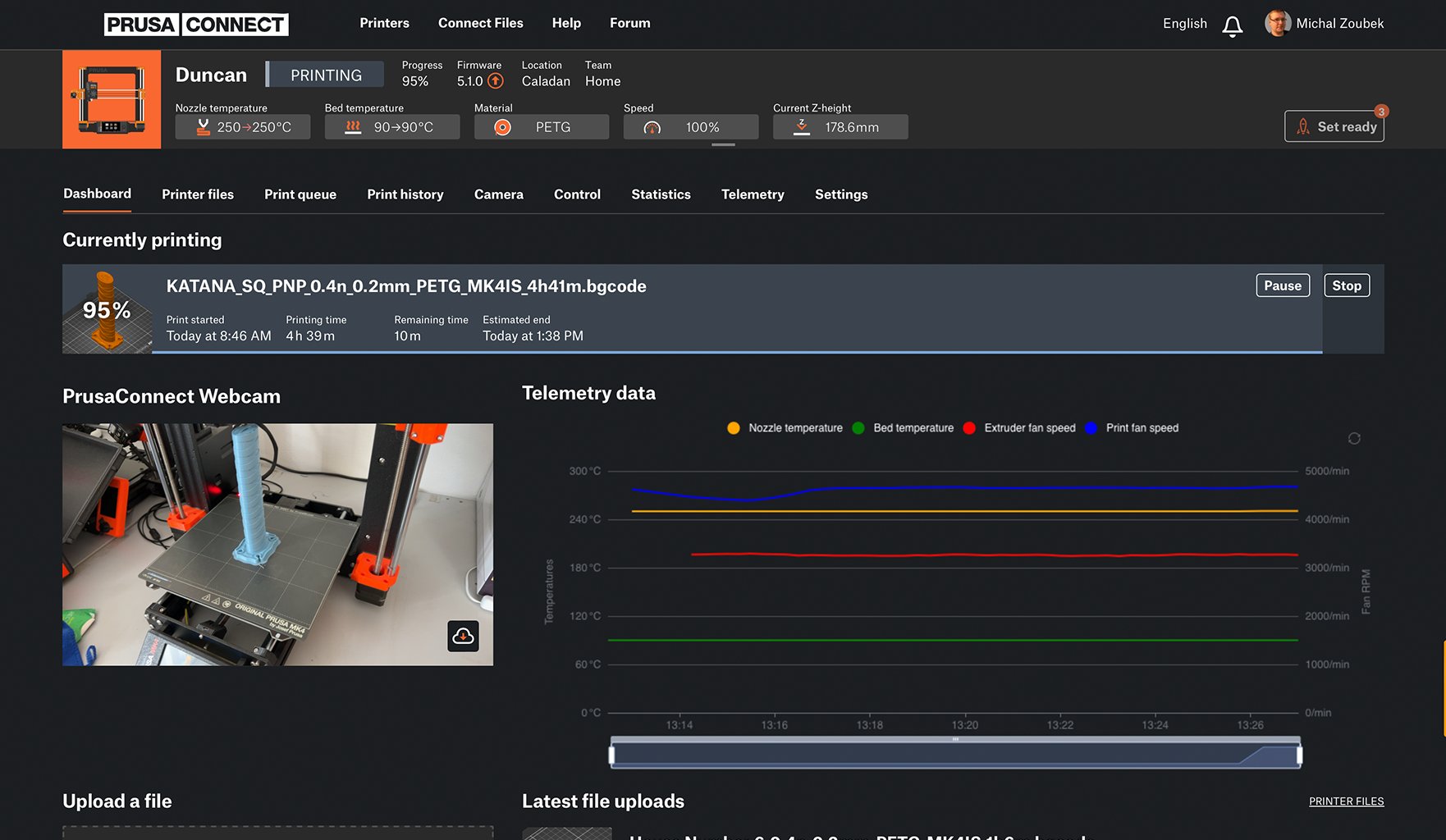
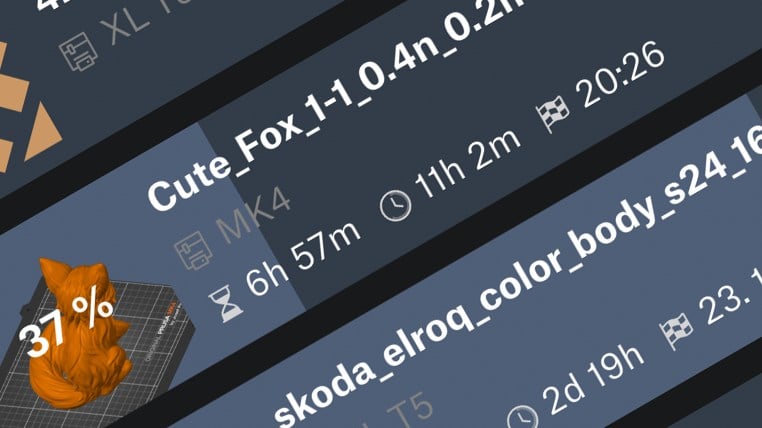
Prusa Connect gère un parc entier depuis un seul écran, gratuitement ; le même logiciel qui fait fonctionner notre propre ferme de centaines d'imprimantes. Obtenez un aperçu instantané de toute votre parc d'impression, planifiez des tâches et suivez vos impressions. Bientôt disponible : Prusa Connect Local, un système complet qui fonctionne localement.

Achats, pré-répondus

Devis formels, achats sur facture, tarifs multi-unités et garantie de remboursement de 60 jours. Garantie européenne de 2 ans, support humain 24/7 en sept langues, pièces de rechange garanties 5 ans et plus, expédition depuis les entrepôts de l'UE et des États-Unis, et formation des opérateurs via la Prusa Academy avec certification.

Tech Support Whenever You Need It

Our printers are covered by a 24-month warranty for end customers in the EU, and a 12-month warranty for end customers in the rest of the world. On top of that, there's a 60-day hassle-free return period. We run 24/7 tech support in seven languages with real, experienced operators in the EU and USA. No AI bots. They know the printers through and through, and they are always ready to assist you.

Filaments pour chaque type de projet

Pour simplifier la qualification des matériaux, chaque filament pris en charge est livré avec des profils d'impression minutieusement testés et optimisés en usine dans PrusaSlicer. Cette intégration permet aux ingénieurs de passer en toute transparence des matériaux de prototypage général aux polymères structurels haute performance en gérant automatiquement les débits d'extrusion, les seuils de refroidissement et les profils thermiques.

PLA

Facile à imprimer

Le PLA offre un support exceptionnellement stable et à faible rétrécissement pour les prototypes visuels, les maquettes architecturales et les vérifications initiales d'ajustement de conception. Comme il s'imprime à des températures modérées sans nécessiter de chambre contrôlée, il représente la solution la plus rentable pour le prototypage itératif rapide avant de passer aux polymères structurels.

Le plus populaireFacile à imprimerBel aspect
Buse210-220 °C
Plateau50-60 °C

PETG

Facile à imprimer

Offrant un mélange équilibré de résistance à la traction, de résistance chimique et de stabilité aux UV, le PETG sert de matériau principal pour les composants fonctionnels tels que les gabarits d'assemblage personnalisés, les boîtiers de protection et les supports structurels. Sa haute résistance de liaison intercouche garantit que les pièces finies restent étanches et structurellement résistantes sous des charges mécaniques.

DuctileÉtancheAdapté à l'air libre
Buse230-250 °C
Plateau70-90 °C

ASA et ABS

Modéré

Ces polymères thermoplastiques techniques sont très résistants à la chaleur élevée et à une exposition prolongée aux intempéries, ce qui les rend idéaux pour les pièces automobiles et les fixations externes. Comme ces matériaux sont sensibles aux courants d'air et aux changements de température ambiante pendant le refroidissement, ils doivent être imprimés dans l'enceinte de protection contre les courants d'air en option pour éviter lad déformation.

Résistant à la chaleurRésistant aux intempériesLissable
Buse250-265 °C
Plateau100-110 °C

PC / PCCF et plus

Avancé

Le polycarbonate et les mélanges renforcés de fibres de carbone représentent le summum de la performance structurelle sur le bureau, offrant une rigidité exceptionnelle et une résistance continue à la chaleur jusqu'à 130 °C. Ces matériaux sont idéaux pour les supports porteurs et l'outillage personnalisé, bien qu'ils nécessitent une température de plateau élevée et une chambre scellée pour contrôler les taux de refroidissement.

Résistance maximaleRésistant à la chaleurRésistant aux chocs
Buse270-285 °C
Plateau80-120 °C

PA (Nylon)

Avancé

Le polyamide est très apprécié pour son faible coefficient de frottement et sa résistance supérieure à l'usure, ce qui en fait le choix standard pour les engrenages fonctionnels, les mécanismes coulissants et les charnières robustes. Ce matériau est très hygroscopique et doit être soigneusement séché avant l'extrusion, tandis que l'impression dans une enceinte fermée assure une cohésion maximale des couches.

RobusteRésistant à l'usureRésistant à la chaleur
Buse260-280 °C
Plateau80-90 °C

TPU (Flexible)

Modéré

Cet élastomère thermoplastique combine une grande flexibilité avec une résistance exceptionnelle à l'abrasion, ce qui le rend adapté aux joints personnalisés, aux pieds amortisseurs de vibrations et aux poignées ergonomiques. Le Nextruder à entraînement direct alimente ce filament très souple en douceur, permettant aux opérateurs d'imprimer des composants élastiques complexes sans blocage ni bourrage.

FlexibleAbsorbe les chocsÉlastique
Buse220-240 °C
Plateau50-60 °C

Already own an XL? Upgrade now!

As with every Prusa 3D printer, we're giving you clear upgrade path.

Accessoires à considérer

Tout ce dont vous avez besoin pour commencer est dans la boîte. Cependant, si vous souhaitez étendre vos capacités d'impression 3D, ajoutez ces accessoires à votre panier. Certains matériaux nécessitent des plaques d'impression ou des buses spéciales ; demandez à notre support technique 24/7 avec des opérateurs expérimentés si vous avez besoin d'aide pour choisir les bons outils !

6 produits
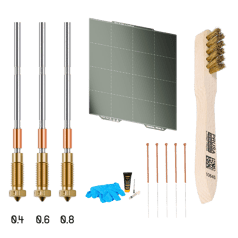
Ajoutez-les avec l'imprimanteLa XL+ fonctionne dès la sortie de la boîte, mais il y a quelques accessoires que vous pourriez envisager d'ajouter à votre panier.Acheter des accessoires
XL enclosure+
XL enclosure+
Enclosure pour la Prusa XL+709 $US
dryboxes
Prusa USS Drybox34,99 $US
Plaque d'impression texturée
Plaque d'impression texturée67,99 $US
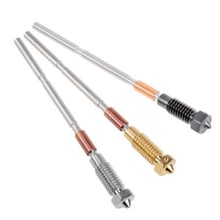
Buse Obxidian durcie
Buse Obxidian durcie57,99 $US
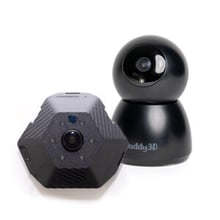
Caméra
Caméra43,99 $US
Module complémentaire de l'élément chauffant
Élément chauffant pour l'EnclosureBientôt disponible

0 produits

Rien dans cette catégorie pour l'instant.

1 produits

Module complémentaire de l'élément chauffant
Élément chauffant pour l'EnclosureBientôt disponible

Ready to Start Something Big?

One of the best things about Prusa 3D printers is that you're not limited by your initial choice. We offer a wide range of accessories & upgrade paths! You can start with a single-tool XL+ and expand it later!
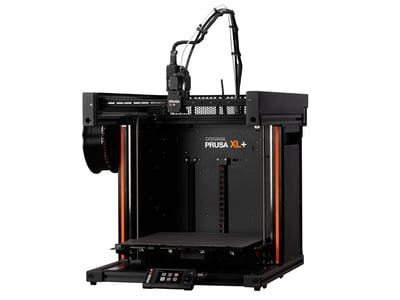
One tool now, upgrade later
Prusa XL+ Single-tool, front view

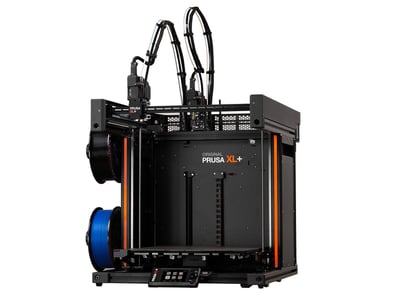
XL+ Single‑tool

Full size, one material

2 299 $US
  • Best for big single-material parts: props, jigs, architecture, cosplay, models in general
  • Full 46.7L build volume
  • The lowest-cost way onto the platform
  • Add toolheads any time - the frame is ready
Best for easy-to-remove supports
Prusa XL+ Dual-tool with two toolheads docked

XL+ Dual‑Head

The engineering sweet spot

2 980 $US
  • Best for: functional parts with soluble or break-away supports
  • Clean internal channels and overhangs — no support scars
  • Two materials or two nozzle sizes in one job
  • Covers most professional work without paying for five heads
Multi-Material Powerhouse
Prusa XL+ Five-tool with five toolheads docked

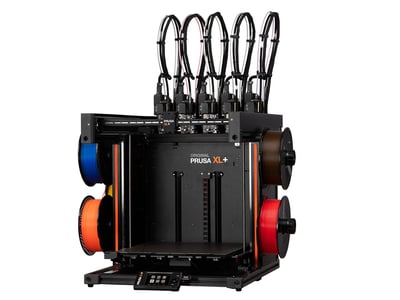
XL+ Five‑Head

The full toolchanger

3 899 $US
  • Best for: multi-material production and color work
  • Five materials or five nozzle sizes, loaded and ready
  • Days-long unattended runs from five 2 kg spools
  • The version our own print farm runs for multi-material work

The Tech Behind the XL+

What Makes It Work

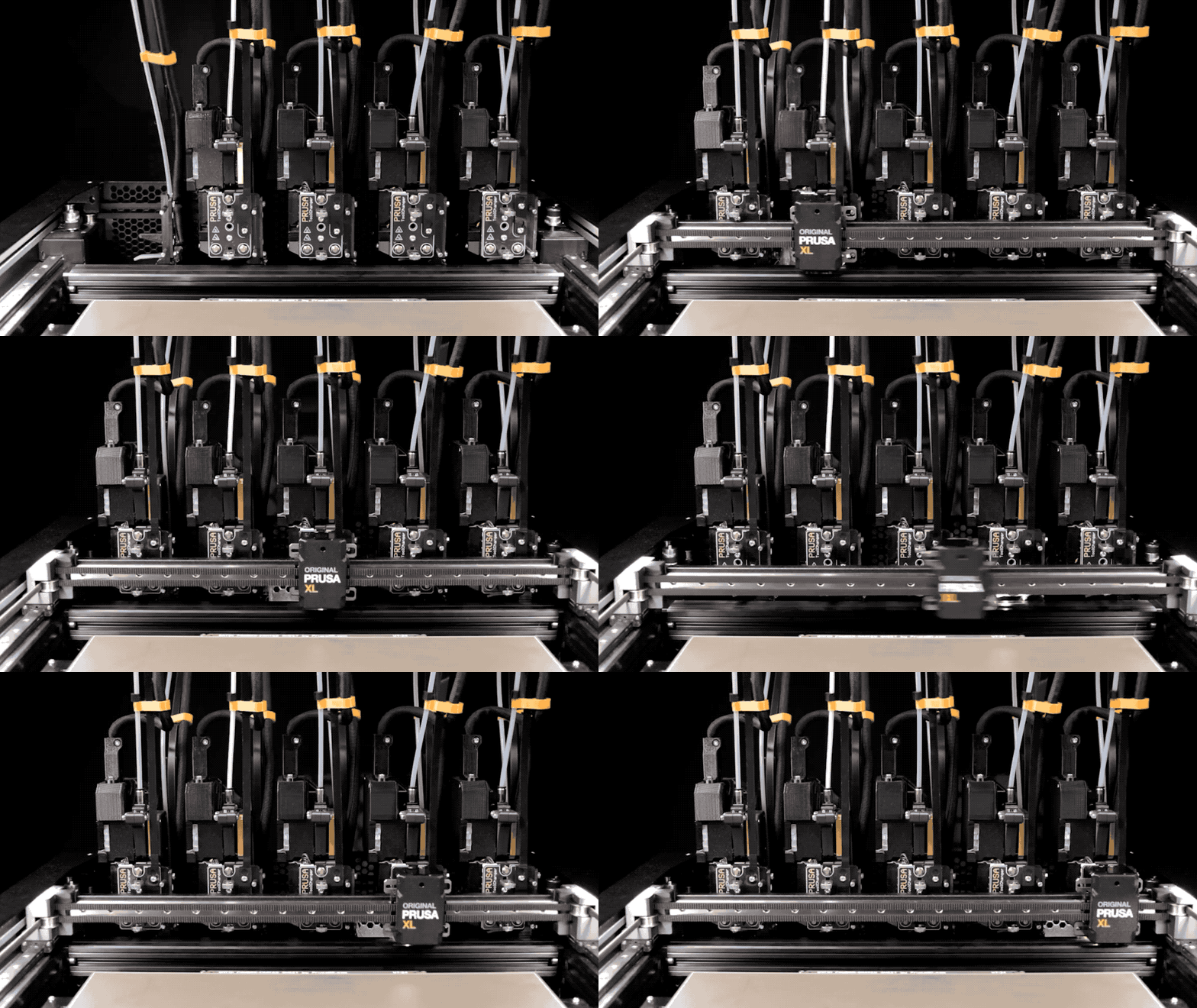
Every individual toolhead on the XL+ functions as an autonomous printing unit complete with its own extruder, heater cartridge, and filament feed path. To prevent cold-start delays during mid-print transitions, the kinematics system parks inactive heads in preheated docking stations where they remain ready to resume extrusion instantly. This mechanical architecture bypasses the speed limitations of traditional single-nozzle setups because swapping tools takes only seconds and avoids the lengthy thermal cycles of reheating a single shared heater block.
Prusa XL+ toolchanger docks with parked toolheads

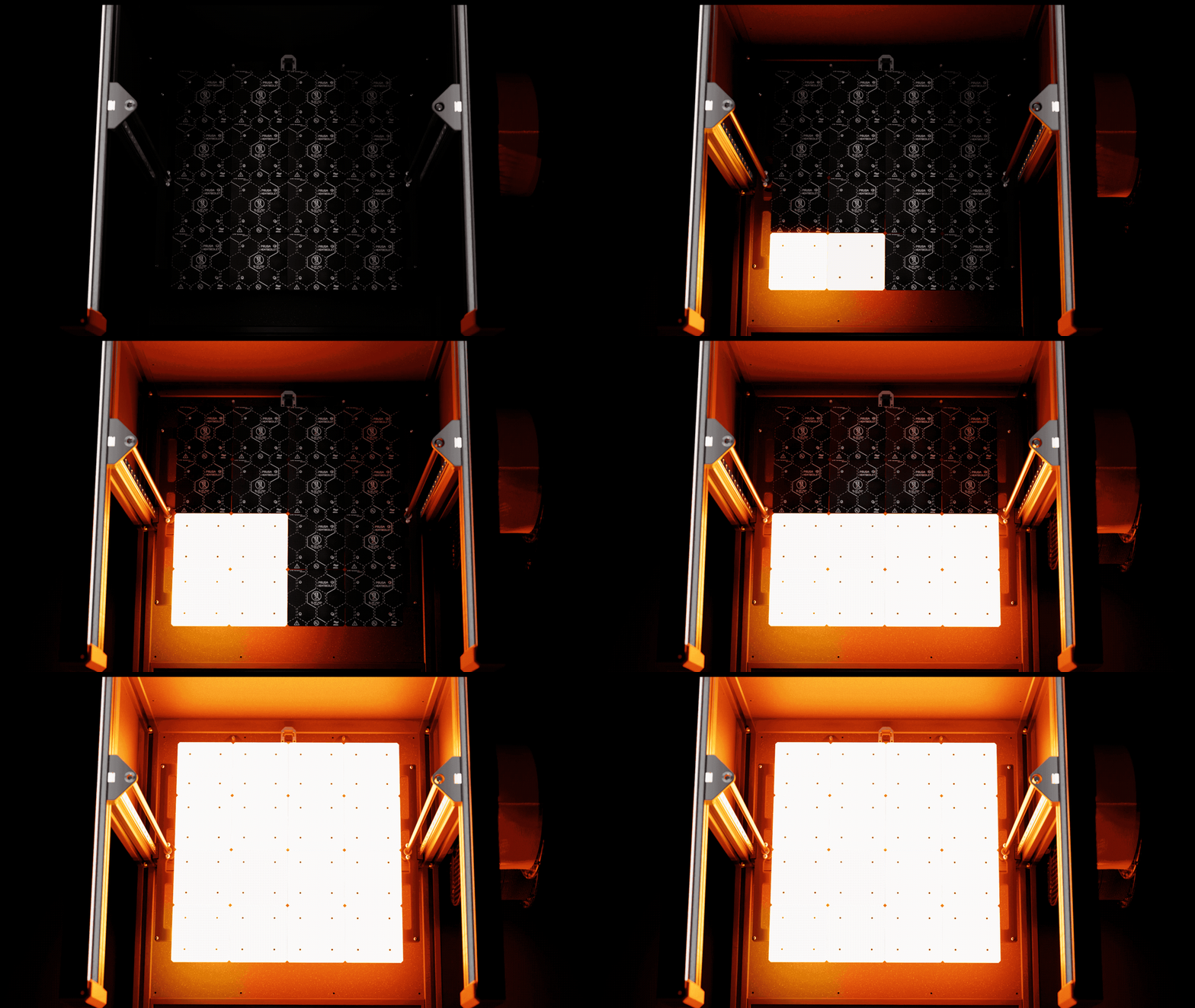
Traditional large-format heated beds are highly prone to thermal expansion stresses that cause the print surface to warp, which compromises first-layer adhesion across large surface areas. The XL+ addresses this physical reality by segmenting the 360 × 360 mm area into sixteen individually controlled heating tiles. This division ensures that heat is concentrated only where the current model is being built, thereby reducing electrical power consumption while preventing thermal expansion from warping the spring-steel print sheet.
Prusa XL+ print area with the segmented heatbed

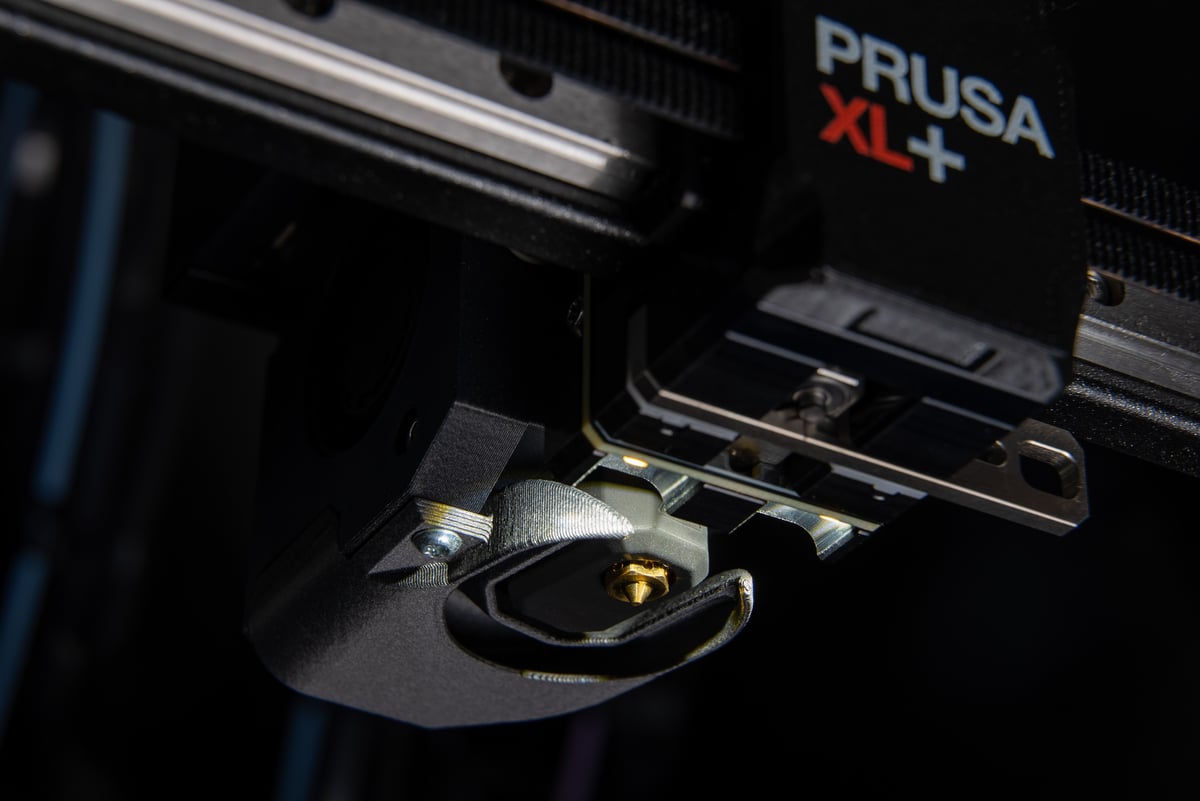
Achieving a perfect first layer requires highly accurate height calibration that is independent of physical surface conditions. To accomplish this, the XL+ integrates an electronic loadcell sensor directly into the toolhead heatsink so that the physical nozzle tip acts as the bed probe. When the nozzle gently touches the print sheet, the sensor detects the structural resistance at the micro-scale, which allows the firmware to compute an absolute physical Z-height. This process automatically compensates for thermal expansion, varying bed textures, and nozzle lengths without requiring any manual adjustment from the operator.
Macro detail of a Prusa nozzle tip

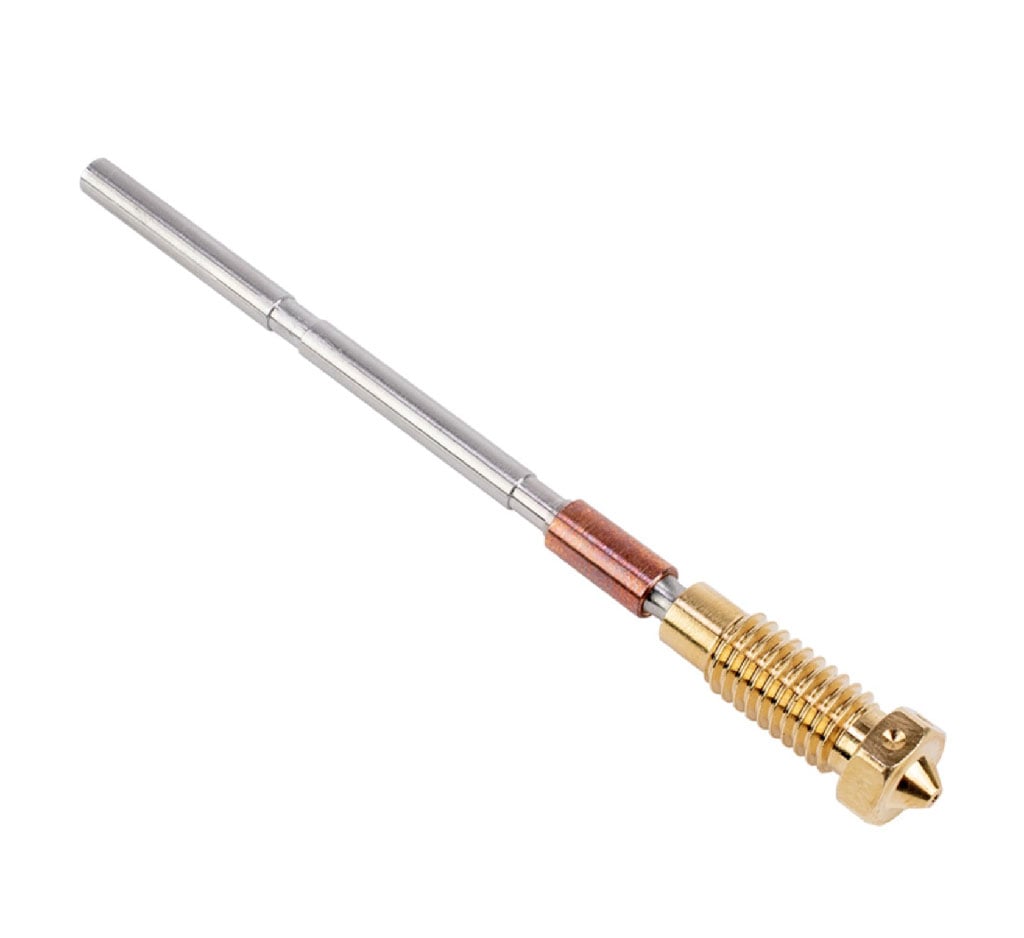
The direct-drive Nextruder utilizes a high-torque internal planetary gearbox to maintain consistent volumetric extrusion with both highly flexible elastomers and stiff carbon-fiber composites up to 290 °C. Because the hotend assembly features a quick-swap mechanical coupling, operators can swap nozzles in less than a minute to match specific job requirements. This allows you to combine diverse production strategies in a single print, such as using a fine 0.25 mm nozzle for outer structural shells while simultaneously printing internal infill with a high-flow 0.8 mm nozzle.
Brass Prusa nozzle, product shot

By utilizing a rigid CoreXY gantry design, the printer maintains high travel speeds because the heavy build plate only moves along the vertical Z-axis while the lightweight toolheads handle high-acceleration horizontal motions. The firmware uses active input shaping algorithms to calculate and cancel out the physical resonance frequencies of the frame, which prevents ghosting and ringing from appearing on vertical faces. Additionally, the system incorporates heavy-duty 1.5 mm pitch GT belts to eliminate microscopic pitch artifacts, ensuring extremely smooth surfaces even at high extrusion rates.
Prusa printer frame during a print

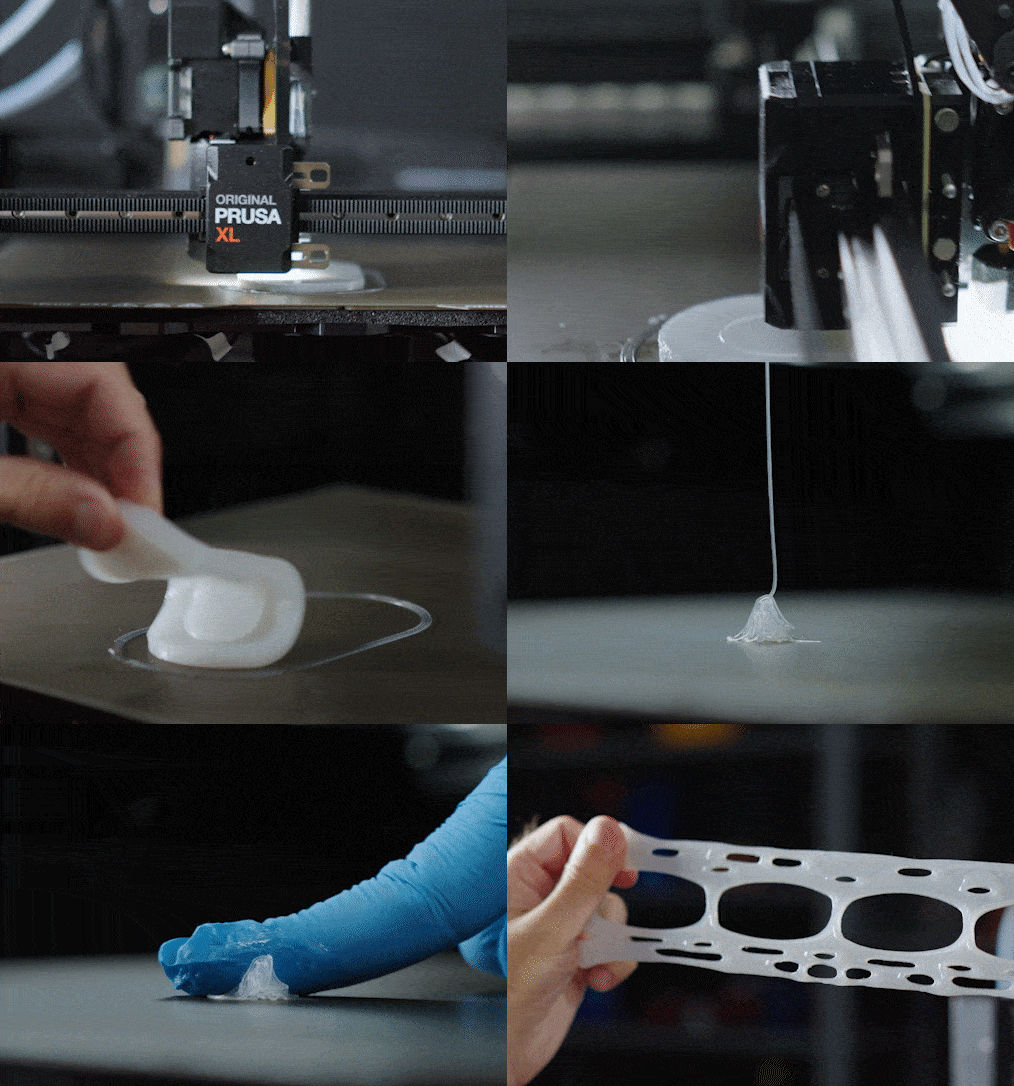
Since each toolhead dock uses a standardized mechanical and electrical interface, the toolchanger acts as an open platform capable of supporting diverse fabrication methods. This modularity extends beyond traditional thermoplastic extrusion to enable advanced materials and specialized tooling. For instance, the upcoming silicone extrusion toolhead allows engineers to deposit high-purity liquid silicone directly alongside structural plastics, which enables the single-step production of custom gaskets, dampening seals, and flexible interfaces on a desktop platform.
XL+ with two different toolheads docked

Pick the Printer That Fits

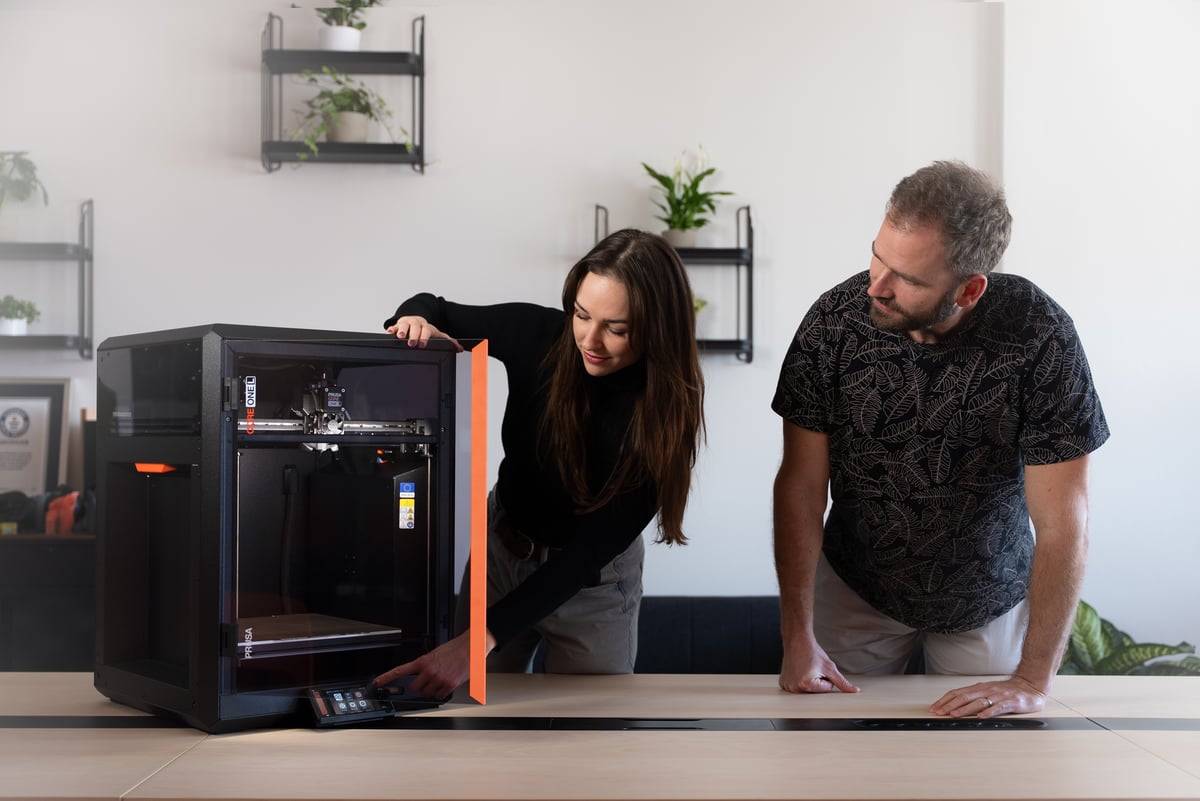
Three printers, three different answers. It comes down to how big your prints need to be, how much room you have on the desk, and whether you need more than one material in one job.
CapabilityPrusa CORE One+Prusa CORE One L+Prusa XL+
Print volume---
Chamber---
Multi-material---
Footprint---
What it's best for---

Print volume

Prusa CORE One+
-
Prusa CORE One L+
-
Prusa XL+
-

Chamber

Prusa CORE One+
-
Prusa CORE One L+
-
Prusa XL+
-

Multi‑material

Prusa CORE One+
-
Prusa CORE One L+
-
Prusa XL+
-

Footprint

Prusa CORE One+
-
Prusa CORE One L+
-
Prusa XL+
-

What it's best for

Prusa CORE One+
-
Prusa CORE One L+
-
Prusa XL+
-
choosing a 3D printer

Still not sure which one is right for you?

Choosing the first 3D printer may be difficult. No worries, we've got you covered! We prepared an entire page detailing the differences between various models. And even if that isn't enough? Drop us a message via our 24/7 Live Chat and we'll be happy to discuss your needs!

Technical & Operational Specifications FAQ

This section details the mechanical architecture, material capabilities, and long-term ownership dynamics of the Prusa XL+ to assist engineers and workshop managers in evaluating its integration into existing workflows.


Every XL+ is manufactured using the same heavy-duty structural frame and main controller electronics, which means the underlying kinematic system is fully prepared for multi-tool operations from day one. Upgrading from a single-toolhead configuration to a dual or five-head setup is a straightforward hardware installation that involves mounting the additional docking bays, routing the pre-terminated wiring harnesses, and running the automatic self-calibration routine.

The XL+ introduces several mechanical refinements designed to maximize daily uptime and print quality in professional environments. Key hardware updates include an automatic optical tool offset calibration system that replaces the manual alignment pin procedure, alongside completely redesigned internal toolhead cooling ducts and integrated nozzle wiping mechanisms. Furthermore, the motion system has been upgraded with wider 1.5 mm GT belts to reduce micro-vibrations, while the firmware brings mature acceleration control algorithms refined over several years of active platform development.

The printer is engineered to run unattended for long periods without risk of print failure due to material depletion or utility interruptions. Integrated optical filament sensors constantly monitor the material feed path, automatically pausing the print and parking the hotend if a spool runs empty so that you can load a fresh line without losing your progress. If you utilize the Spool Join firmware feature, the system will automatically transition extrusion to an adjacent loaded toolhead when the active spool is depleted, while the hardware power-loss panic circuit ensures that the current coordinate state is saved to non-volatile memory so that printing can resume immediately once power is restored.

Selecting the correct polymer depends on the mechanical and thermal requirements of the final component. PETG offers excellent impact resistance and interlayer adhesion for general-purpose mechanical fixtures, whereas ASA should be selected for parts exposed to ultraviolet light or outdoor weather conditions. High-stress structural applications benefit from engineering-grade polyamides or polycarbonates, although these high-temperature materials require the thermal stability provided by the optional XL Enclosure to prevent shrinkage and warping during cool-down.

While the machine offers deep configuration options for advanced users, the core workflow is highly automated to ensure rapid deployment in any workshop. The hardware arrives fully assembled and performs self-calibration routines for flat bed alignment and tool offset measurement, which eliminates the tedious manual tuning typical of large-format systems. Slicing models is streamlined through pre-configured, tested material profiles in PrusaSlicer, meaning that operators can achieve dimensional accuracy and structural integrity without having to spend weeks experimenting with extrusion multipliers or temperature curves.

Standard polymers such as PLA, PETG, and flexible TPU print reliably on the open-frame machine because they exhibit low thermal shrinkage during cooling. When fabricating large-scale components from industrial filaments like ASA, ABS, or polycarbonate, managing the ambient temperature around the part is critical to prevent warping. Installing the sealed enclosure stabilizes the internal air temperature up to 50 °C, and opting for the active chamber heating upgrade ensures stable conditions up to 60 °C, which is necessary to achieve maximum interlayer bonding strength in nylon and polycarbonate parts.

The printer is backed by a comprehensive manufacturer's warranty alongside twenty-four-hour technical support staffed by experienced hardware specialists rather than automated bots. Because we design our hardware around open maintenance principles, no internal sub-assemblies are glued, welded, or sealed with proprietary fasteners. Every mechanical component can be accessed, serviced, or replaced using standard hex drivers, and we guarantee the availability of factory spare parts for at least five years to keep your production line running without costly service contracts.

Operational security and intellectual property protection are maintained because the printer does not require any network connection or external cloud authentication to function. You can slice models locally, transfer g-code files via physical USB drives, and update firmware entirely offline. For teams that prefer remote monitoring, the optional Prusa Connect interface can be configured over a local network, ensuring that your proprietary CAD designs never leave your physical control.

Both kinematics systems offer unique material distribution models designed for different applications. The INDX setup on the CORE One uses an induction-heated passive toolchanger to handle up to eight materials with efficient tool parking. Conversely, the XL+ active toolchanger operates up to five independent, always-hot Nextruder heads, offering instantaneous swaps and the ability to process completely divergent nozzle diameters or specialized non-plastic tools like liquid silicone.

Selecting between these platforms is a matter of volume scaling versus multi-material requirements. The CORE One L+ features an enclosed build chamber optimized for single-material structural parts and is scheduled to support the passive INDX system in the future. The XL+ provides fifty percent more volume overall and is ready today to orchestrate up to five completely independent active toolheads for complex support structures or complex multi-color designs in a single job.
Prusa XL+from 2 299 $USBuy nowBuy